Senegal's Bonds Fall as IMF Warns of Fiscal Deficit
-
 Loading...
 - Magdalene Appiah
- 18 Sep 2024
- 83 Views
- 0 Like
- 0 Comment
Senegal's dollar bonds have taken a hit after the International Monetary Fund (IMF) expressed concerns over the country's fiscal position. The bonds were the worst performers in a Bloomberg index of emerging and frontier sovereign dollar debt, with the yield on notes due 2048 climbing 14 basis points to 9.78%.
The IMF's end-of-mission statement highlighted the urgent need for reforms to stabilize public finances and reduce debt. The international lender noted that Senegal's economy slowed in early 2024, with growth in key sectors like mining and construction weaker than expected. The fiscal deficit widened due to reduced revenues and rising energy subsidies.
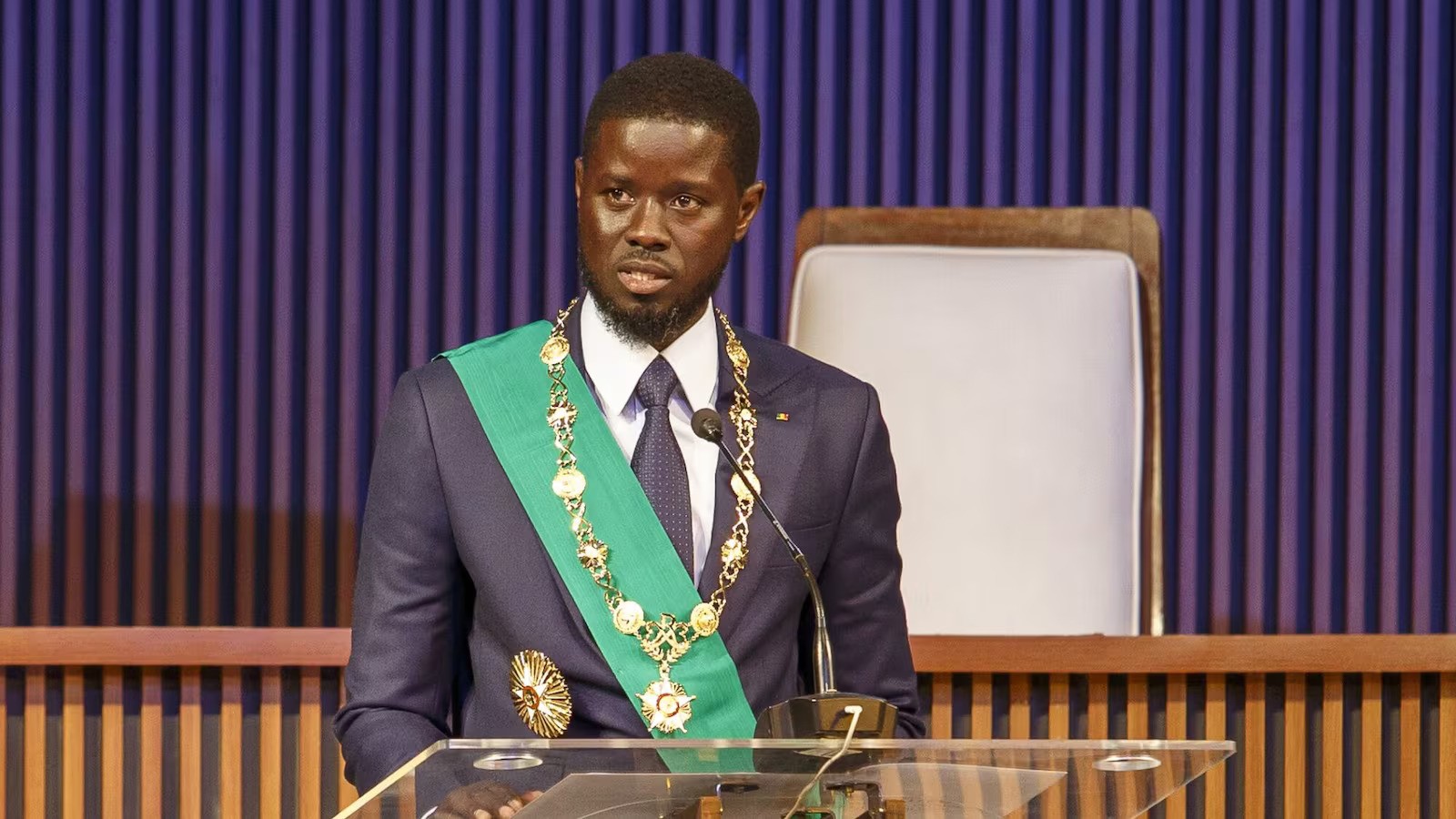
The IMF's warning comes as Senegal's President Bassirou Diomaye Faye seeks to consolidate power and push forward his reform agenda. The president's decision to dissolve the opposition-controlled parliament last month has added to the uncertainty, with elections for new representatives scheduled for November 17.
The IMF has emphasized the need for reforms, including cutting untargeted subsidies and streamlining tax exemptions, to stabilize public finances and reduce debt. Last year, the IMF reached a staff-level agreement with Senegal on a $1.5 billion facility to support a program of economic reforms. However, the IMF's latest warning suggests that the country's fiscal position is deteriorating, and urgent action is needed to address the issues.
The market reaction to the IMF's warning has been negative, with Senegal's bonds falling in value. However, some analysts believe that if the upcoming elections lead to a parliamentary majority, it would help avoid unnecessary delays in implementing the economic program.
President Bassirou Diomaye Faye is seeking a legislative majority to reassure voters and investors that he can fulfill his pledges to tackle corruption, ease a cost-of-living crisis, and review oil and gas contracts with Senegal's foreign partners. He has faced a deadlock with a National Assembly dominated by lawmakers loyal to his predecessor, Macky Sall.
The IMF's warning has highlighted the need for urgent action to address Senegal's fiscal issues. The outcome of the upcoming elections will be closely watched, and it remains to be seen whether the president will be able to implement the necessary reforms to stabilize the economy.
The IMF's end-of-mission statement published points to some fiscal slippage, in contrast to earlier government reports that suggested otherwise. Michael Kafe, an economist at Barclays Bank Plc, noted that if the upcoming elections lead to a parliamentary majority, it would help avoid unnecessary delays in implementing the economic program.
The timeline of events has been marked by significant developments, including the president's landslide victory in March, his decision to dissolve the opposition-controlled parliament last month, and the upcoming elections scheduled for November 17.
In conclusion, the IMF's warning over Senegal's fiscal deficit has added to the uncertainty surrounding the country's economy. While the president's reform agenda is ambitious, the IMF's concerns highlight the need for urgent action to address the country's fiscal issues.