Home Upload Photo Upload Videos Write a Blog Analytics Messaging Streaming Create Adverts Creators Program
Bebuzee Afghanistan Bebuzee Albania Bebuzee Algeria Bebuzee Andorra Bebuzee Angola Bebuzee Antigua and Barbuda Bebuzee Argentina Bebuzee Armenia Bebuzee Australia Bebuzee Austria Bebuzee Azerbaijan Bebuzee Bahamas Bebuzee Bahrain Bebuzee Bangladesh Bebuzee Barbados Bebuzee Belarus Bebuzee Belgium Bebuzee Belize Bebuzee Benin Bebuzee Bhutan Bebuzee Bolivia Bebuzee Bosnia and Herzegovina Bebuzee Botswana Bebuzee Brazil Bebuzee Brunei Bebuzee Bulgaria Bebuzee Burkina Faso Bebuzee Burundi Bebuzee Cabo Verde Bebuzee Cambodia Bebuzee Cameroon Bebuzee Canada Bebuzee Central African Republic Bebuzee Chad Bebuzee Chile Bebuzee China Bebuzee Colombia Bebuzee Comoros Bebuzee Costa Rica Bebuzee Côte d'Ivoire Bebuzee Croatia Bebuzee Cuba Bebuzee Cyprus Bebuzee Czech Republic Bebuzee Democratic Republic of the Congo Bebuzee Denmark Bebuzee Djibouti Bebuzee Dominica Bebuzee Dominican Republic Bebuzee Ecuador Bebuzee Egypt Bebuzee El Salvador Bebuzee Equatorial Guinea Bebuzee Eritrea Bebuzee Estonia Bebuzee Eswatini Bebuzee Ethiopia Bebuzee Fiji Bebuzee Finland Bebuzee France Bebuzee Gabon Bebuzee Gambia Bebuzee Georgia Bebuzee Germany Bebuzee Ghana Bebuzee Greece Bebuzee Grenada Bebuzee Guatemala Bebuzee Guinea Bebuzee Guinea-Bissau Bebuzee Guyana Bebuzee Haiti Bebuzee Honduras Bebuzee Hong Kong Bebuzee Hungary Bebuzee Iceland Bebuzee India Bebuzee Indonesia Bebuzee Iran Bebuzee Iraq Bebuzee Ireland Bebuzee Israel Bebuzee Italy Bebuzee Jamaica Bebuzee Japan Bebuzee Jordan Bebuzee Kazakhstan Bebuzee Kenya Bebuzee Kiribati Bebuzee Kuwait Bebuzee Kyrgyzstan Bebuzee Laos Bebuzee Latvia Bebuzee Lebanon Bebuzee Lesotho Bebuzee Liberia Bebuzee Libya Bebuzee Liechtenstein Bebuzee Lithuania Bebuzee Luxembourg Bebuzee Madagascar Bebuzee Malawi Bebuzee Malaysia Bebuzee Maldives Bebuzee Mali Bebuzee Malta Bebuzee Marshall Islands Bebuzee Mauritania Bebuzee Mauritius Bebuzee Mexico Bebuzee Micronesia Bebuzee Moldova Bebuzee Monaco Bebuzee Mongolia Bebuzee Montenegro Bebuzee Morocco Bebuzee Mozambique Bebuzee Myanmar Bebuzee Namibia Bebuzee Nauru Bebuzee Nepal Bebuzee Netherlands Bebuzee New Zealand Bebuzee Nicaragua Bebuzee Niger Bebuzee Nigeria Bebuzee North Korea Bebuzee North Macedonia Bebuzee Norway Bebuzee Oman Bebuzee Pakistan Bebuzee Palau Bebuzee Panama Bebuzee Papua New Guinea Bebuzee Paraguay Bebuzee Peru Bebuzee Philippines Bebuzee Poland Bebuzee Portugal Bebuzee Qatar Bebuzee Republic of the Congo Bebuzee Romania Bebuzee Russia Bebuzee Rwanda Bebuzee Saint Kitts and Nevis Bebuzee Saint Lucia Bebuzee Saint Vincent and the Grenadines Bebuzee Samoa Bebuzee San Marino Bebuzee São Tomé and Príncipe Bebuzee Saudi Arabia Bebuzee Senegal Bebuzee Serbia Bebuzee Seychelles Bebuzee Sierra Leone Bebuzee Singapore Bebuzee Slovakia Bebuzee Slovenia Bebuzee Solomon Islands Bebuzee Somalia Bebuzee South Africa Bebuzee South Korea Bebuzee South Sudan Bebuzee Spain Bebuzee Sri Lanka Bebuzee Sudan Bebuzee Suriname Bebuzee Sweden Bebuzee Switzerland Bebuzee Syria Bebuzee Taiwan Bebuzee Tajikistan Bebuzee Tanzania Bebuzee Thailand Bebuzee Timor-Leste Bebuzee Togo Bebuzee Tonga Bebuzee Trinidad and Tobago Bebuzee Tunisia Bebuzee Turkey Bebuzee Turkmenistan Bebuzee Tuvalu Bebuzee Uganda Bebuzee Ukraine Bebuzee United Arab Emirates Bebuzee United Kingdom Bebuzee Uruguay Bebuzee Uzbekistan Bebuzee Vanuatu Bebuzee Venezuela Bebuzee Vietnam Bebuzee World Wide Bebuzee Yemen Bebuzee Zambia Bebuzee Zimbabwe
Blog Image

Gaming addiction classified as disorder by WHO

According to an Oxford University study, boys are more likely to spend time gaming than girls

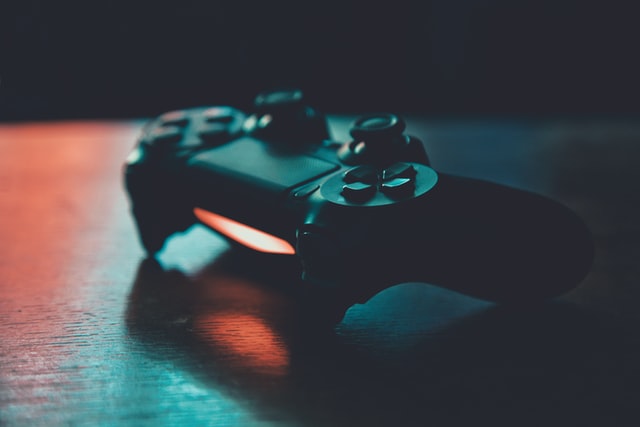
Gaming addiction is to be listed as a mental health condition for the first time by the World Health Organisation.

Its 11th International Classification of Diseases (ICD) will include the condition "gaming disorder".

The draft document describes it as a pattern of persistent or recurrent gaming behaviour so severe that it takes "precedence over other life interests".

Some countries had already identified it as a major public health issue.

Many, including the UK, have private addiction clinics to "treat" the condition.

The last version of the ICD was completed in 1992, with the new guide due to be published in 2018.

The guide contains codes for diseases, signs and symptoms and is used by doctors and researchers to track and diagnose disease.

It will suggest that abnormal gaming behaviour should be in evidence over a period of at least 12 months "for a diagnosis to be assigned" but added that period might be shortened "if symptoms are severe".

Symptoms include:

-impaired control over gaming (frequency, intensity, duration)

-increased priority given to gaming

-continuation or escalation of gaming despite negative consequences

Dr Richard Graham, lead technology addiction specialist at the Nightingale Hospital in London, welcomed the decision to recognise the condition.

"It is significant because it creates the opportunity for more specialised services. It puts it on the map as something to take seriously."

But he added that he would have sympathy for those who do not think the condition should be medicalised.

"It could lead to confused parents whose children are just enthusiastic gamers.

He said he sees about 50 new cases of digital addiction each year and his criteria is based on whether the activity is affecting basic things such as sleep, eating, socialising and education.

He said one question he asked himself was: "Is the addiction taking up neurological real-estate, dominating thinking and preoccupation?"

Many psychiatrists refer to the Diagnostic and Statistical Manual of Mental Disorders (DSM), the fifth edition of which was published in 2013.

In that, internet gaming disorder is listed as a "condition for further study", meaning it is not officially recognised.

Lots of countries are grappling with the issue and in South Korea the government has introduced a law banning access for children under 16 from online games between midnight and 06:00.

In Japan, players are alerted if they spend more than a certain amount of time each month playing games and in China, internet giant Tencent has limited the hours that children can play its most popular games.

A recent study from the University of Oxford suggested that, although children spend a lot of time on their screens, they generally managed to intertwine their digital pastimes with daily life.

The research - looking at children aged eight to 18 - found that boys spent longer playing video games than girls.

Researcher Killian Mullan said: "People think that children are addicted to technology and in front of these screens 24/7, to the exclusion of other activities - and we now know that is not the case."

"Our findings show that technology is being used with and in some cases perhaps to support other activities, like homework for instance, and not pushing them out," he added.

"Just like we adults do, children spread their digital tech use throughout the day, while doing other things."

Previous Post

Lack of IT staff leaving companies exposed to hacker attacks

Next Post

Major security flaw found in Intel processors

Comments


Related Blogs

Blog Image
Politics

China slams U.S. signing of bill related with Taiwan region


BY Haoran Wang
Blog Image
News

No Severe Hepatitis Cases Recorded Among Children in Morocco


BY Santos Gonzales
Blog Image
Health & Fitness

WHO recommends use of two antibody drugs against Ebola


BY Chantale Ayissi
Blog Image
Gaming

Gaming addiction – here's how to prevent it


BY Daud Issa