Five books to learn more about our identity and culture
-
 Loading...
 - Emily Wellington
- 29 Aug 2022
- 69 Views
- 0 Like
- 0 Comment
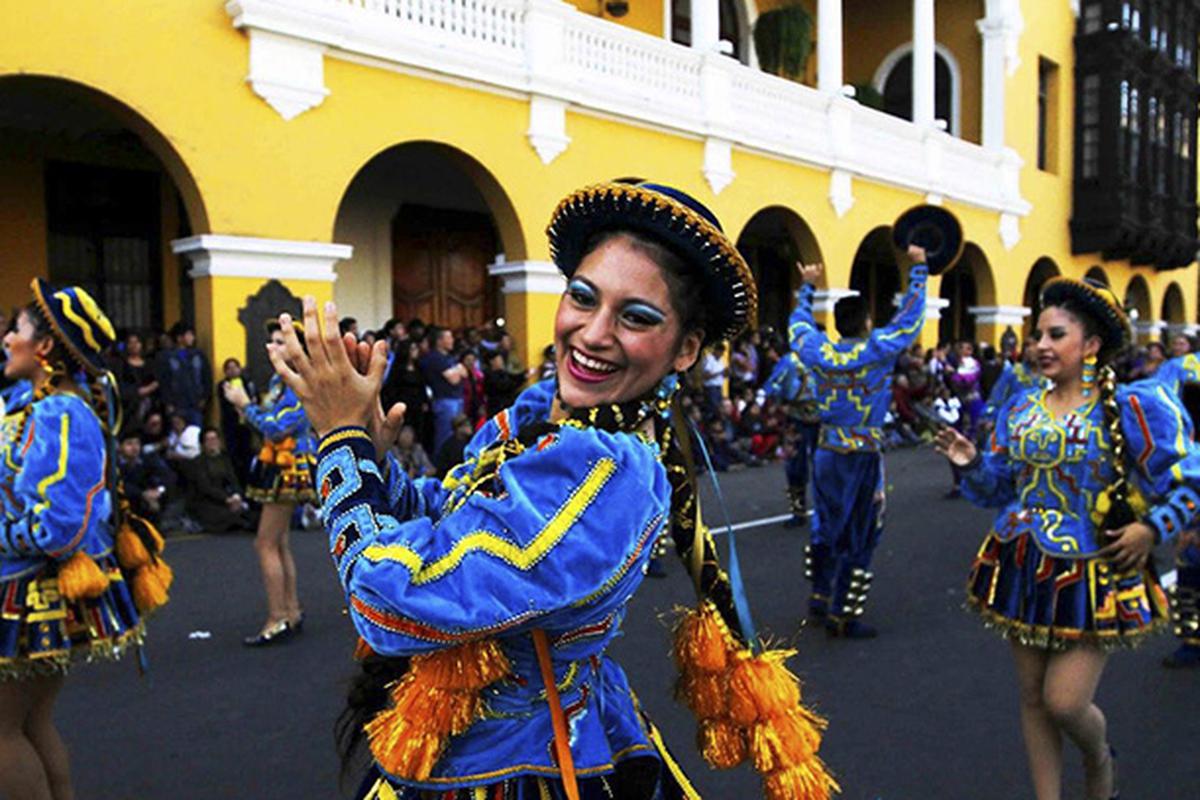
Today is World Folklore Day, a date declared by UNESCO to pay tribute to the main artistic manifestations. Folklore is culture in all its manifestations, and we can find it through handicrafts, legends, popular medicine, dance, music, as well as beliefs, customs, among many things for which our people enjoy.
That is why we share with you a list of books that pay tribute and recognition to the knowledge, traditions, artistic and cultural expressions in our lands. From Peruvian popular music to anthropological stories that will make you feel proud of our folklore:
Yawar Chicha by Alfredo Villar
The Peruvian popular art researcher and writer has published his recent book, Yawar Chicha (Editorial Planeta) where he takes a long journey through the music that best defines the essence of what is Peruvian from the 1970s. A great river of life, blood and melodies is chicha, here we start from a word that is conflictive, but that can bring together all the tributaries of Peruvian tropical music, be it the coastal and Amazonian cumbia, the chicha of Cuzco and Huancayo, road music, chacalonera, canera, northern cumbia and technocumbia. Just as in the 70s, from New York, the term salsa was chosen to group and market Caribbean music, from Lima I think we can affirm that chicha is the one that is conquering the world, not Peruvian cumbia, but the chicha.
:quality(75)/cloudfront-us-east-1.images.arcpublishing.com/elcomercio/6IHJDIE4XFDCNMOJVZTTD727Q4.jpg)
Malambo by Lucia Charun
A writer of the first order for Latin American letters. In Malambo, a delicious choral novel, the author offers us a story between realistic and hallucinated in which her characters, slaves with and without a master, free and runaways, fugitive Indians, Creoles lost in appearances and deceit, make up a musical and sensual narrative fabric. that crosses the Talkative River and connects Malambo, land of blacks, with Viceroyalty Lima. Considered the first Afro-American novelist in Peru, Lucía Charún-Illescas, based on the authenticity of knowing herself to be black and from Lima, chisels out a verbal goldsmith's work that establishes in the reader an immediate complicity with her polyhedral characters: Tomasón, an old slave painter of religious icons ; the tender and rebellious Pancha, with the inheritance of miracle herbs that she hides in her hair; and Altagracia Maravillas, beautiful slave who burns the master's naps in search of wise pleasure. Initially published in 2001, Malambo has achieved resounding success in the foreign academy due to its black theme and its anthropological representation of the 16th and 18th centuries. Now it is presented for the first time in an edition corrected by its author, in which the reader will enjoy a novel generous in epiphanies, whose pages reveal a first-rate writer for Latin American letters.
:quality(75)/cloudfront-us-east-1.images.arcpublishing.com/elcomercio/5KYAKPXVFBBXXBTLJDRKOBFYPU.jpg)