As DeepSeek Rises, Russia Falls Behind On AI
-
 Loading...
 - Kendra Weaver
- 13 Feb 2025
- 29 Views
- 0 Like
- 0 Comment
The Russian AI sector is facing challenges, including ideological restrictions, an exodus of tech talent, and Western sanctions that limit access to essential hardware. Despite President Vladimir Putin's ambitions to make Russia a world leader in AI, the country is struggling to keep pace with global developments.
In the past, Russia had shown promise in AI development, with companies like Sber launching innovative projects such as Kandinsky, a text-to-image generation model. However, the war in Ukraine and subsequent sanctions have severely impacted the industry.
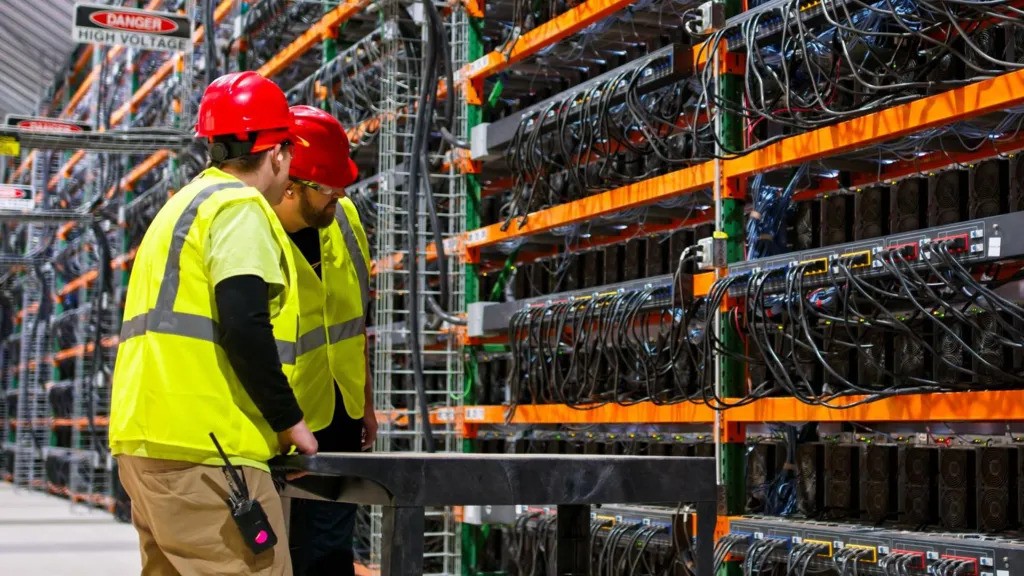
The sanctions imposed by the United States and the European Union have restricted Russia's access to semiconductors, dual-use technologies, and advanced computing capabilities. This has led to a shortage of essential hardware, including graphics processing units (GPUs), which are crucial for AI development.
The war in Ukraine has also led to a significant brain drain in the Russian tech industry, with many skilled IT workers leaving the country. According to the Russian minister for digital development, communications, and mass media, around 100,000 IT specialists left Russia in 2022, which is approximately 10% of the country's tech workforce.
The Kremlin's ideological constraints are also hindering AI development in Russia. President Putin has expressed concerns about the potential threats posed by Western-dominated AI models, which he believes could undermine Russian culture and values. This has led to a focus on developing self-reliant AI models that align with Russian ideology.
Russia's efforts to develop its own AI models are also being hampered by censorship and alignment issues. The country is trying to create a tight system of AI censorship, which would require significant resources and processing power. However, this approach could have a detrimental effect on freedom of speech and would likely be less effective than China's more extensive and sophisticated AI censorship system.
As a result of these challenges, Russia is falling behind in AI development. According to a rating maintained by Chatbot Arena, Russian LLMs created by Sber and Yandex ranked 12th and 17th, respectively, out of 44 participating models. The top three models were developed by Google, Anthropic, and OpenAI.
The consequences of Russia's struggles in AI development could be significant, affecting not only the tech industry but also the country's economic competitiveness, technological sovereignty, and strategic influence on the world stage. As AI becomes increasingly important for scientific research, industrial innovation, and military capabilities, Russia's failure to keep pace with global developments could have far-reaching implications.