World's first octopus farm proposals alarm scientists
-
 Loading...
 - nina elizabeth
- 17 Mar 2023
- 70 Views
- 0 Like
- 0 Comment
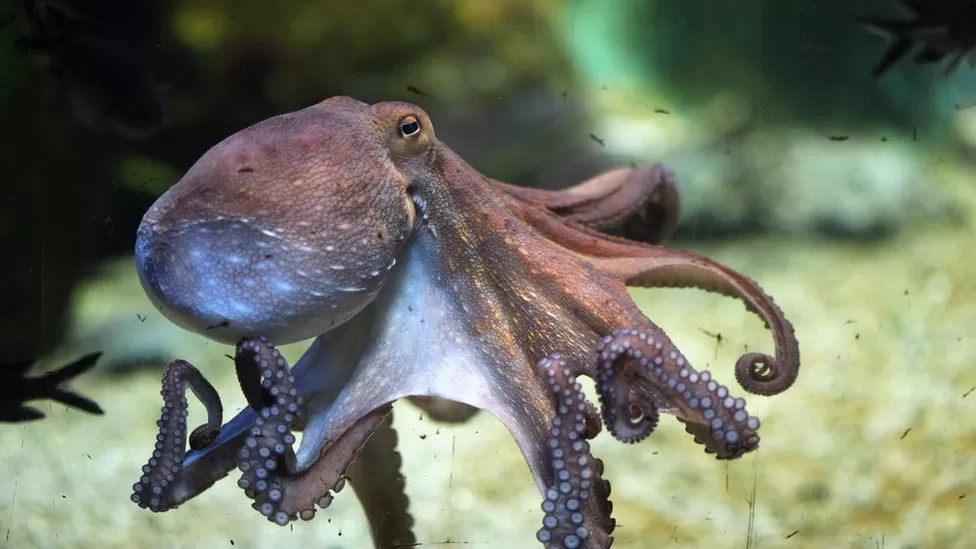
A plan to build the world's first octopus farm has raised deep concerns among scientists over the welfare of the famously intelligent creatures.
The farm in Spain's Canary Islands would raise about a million octopuses annually for food, according to confidential documents seen by the BBC.
They have never been intensively farmed and some scientists call the proposed icy water slaughtering method "cruel."
The Spanish multinational behind the plans denies the octopuses will suffer.
The confidential planning proposal documents from the company, Nueva Pescanova, were given to the BBC by the campaign organisation Eurogroup for Animals.
Nueva Pescanova sent the proposal to the Canary Islands' General Directorate of Fishing, which has not responded to a BBC request for comment.
Octopuses caught in the wild using pots, lines and traps are eaten all over the world, including in the Mediterranean and in Asia and Latin America.
The race to discover the secret to breeding them in captivity has been going on for decades. It's difficult as the larvae only eat live food and need a carefully controlled environment, but Nueva Pescanova announced in 2019 that it had made a scientific breakthrough.
The prospect of intensively farming octopus has already led to opposition: Lawmakers in the US state of Washington have proposed banning the practice before it even starts.
Nueva Pescanova's plans reveal that the octopuses, which are solitary animals used to the dark, would be kept in tanks with other octopuses, at times under constant light. The creatures - the species octopus vulgaris - would be housed in around 1,000 communal tanks in a two-storey building in the port of Las Palmas in Gran Canaria.
They would be killed by being put in containers of water kept at -3C, according to the documents. Read More…