Home Upload Photo Upload Videos Write a Blog Analytics Messaging Streaming Create Adverts Creators Program
Bebuzee Afghanistan Bebuzee Albania Bebuzee Algeria Bebuzee Andorra Bebuzee Angola Bebuzee Antigua and Barbuda Bebuzee Argentina Bebuzee Armenia Bebuzee Australia Bebuzee Austria Bebuzee Azerbaijan Bebuzee Bahamas Bebuzee Bahrain Bebuzee Bangladesh Bebuzee Barbados Bebuzee Belarus Bebuzee Belgium Bebuzee Belize Bebuzee Benin Bebuzee Bhutan Bebuzee Bolivia Bebuzee Bosnia and Herzegovina Bebuzee Botswana Bebuzee Brazil Bebuzee Brunei Bebuzee Bulgaria Bebuzee Burkina Faso Bebuzee Burundi Bebuzee Cabo Verde Bebuzee Cambodia Bebuzee Cameroon Bebuzee Canada Bebuzee Central African Republic Bebuzee Chad Bebuzee Chile Bebuzee China Bebuzee Colombia Bebuzee Comoros Bebuzee Costa Rica Bebuzee Côte d'Ivoire Bebuzee Croatia Bebuzee Cuba Bebuzee Cyprus Bebuzee Czech Republic Bebuzee Democratic Republic of the Congo Bebuzee Denmark Bebuzee Djibouti Bebuzee Dominica Bebuzee Dominican Republic Bebuzee Ecuador Bebuzee Egypt Bebuzee El Salvador Bebuzee Equatorial Guinea Bebuzee Eritrea Bebuzee Estonia Bebuzee Eswatini Bebuzee Ethiopia Bebuzee Fiji Bebuzee Finland Bebuzee France Bebuzee Gabon Bebuzee Gambia Bebuzee Georgia Bebuzee Germany Bebuzee Ghana Bebuzee Greece Bebuzee Grenada Bebuzee Guatemala Bebuzee Guinea Bebuzee Guinea-Bissau Bebuzee Guyana Bebuzee Haiti Bebuzee Honduras Bebuzee Hong Kong Bebuzee Hungary Bebuzee Iceland Bebuzee India Bebuzee Indonesia Bebuzee Iran Bebuzee Iraq Bebuzee Ireland Bebuzee Israel Bebuzee Italy Bebuzee Jamaica Bebuzee Japan Bebuzee Jordan Bebuzee Kazakhstan Bebuzee Kenya Bebuzee Kiribati Bebuzee Kuwait Bebuzee Kyrgyzstan Bebuzee Laos Bebuzee Latvia Bebuzee Lebanon Bebuzee Lesotho Bebuzee Liberia Bebuzee Libya Bebuzee Liechtenstein Bebuzee Lithuania Bebuzee Luxembourg Bebuzee Madagascar Bebuzee Malawi Bebuzee Malaysia Bebuzee Maldives Bebuzee Mali Bebuzee Malta Bebuzee Marshall Islands Bebuzee Mauritania Bebuzee Mauritius Bebuzee Mexico Bebuzee Micronesia Bebuzee Moldova Bebuzee Monaco Bebuzee Mongolia Bebuzee Montenegro Bebuzee Morocco Bebuzee Mozambique Bebuzee Myanmar Bebuzee Namibia Bebuzee Nauru Bebuzee Nepal Bebuzee Netherlands Bebuzee New Zealand Bebuzee Nicaragua Bebuzee Niger Bebuzee Nigeria Bebuzee North Korea Bebuzee North Macedonia Bebuzee Norway Bebuzee Oman Bebuzee Pakistan Bebuzee Palau Bebuzee Panama Bebuzee Papua New Guinea Bebuzee Paraguay Bebuzee Peru Bebuzee Philippines Bebuzee Poland Bebuzee Portugal Bebuzee Qatar Bebuzee Republic of the Congo Bebuzee Romania Bebuzee Russia Bebuzee Rwanda Bebuzee Saint Kitts and Nevis Bebuzee Saint Lucia Bebuzee Saint Vincent and the Grenadines Bebuzee Samoa Bebuzee San Marino Bebuzee São Tomé and Príncipe Bebuzee Saudi Arabia Bebuzee Senegal Bebuzee Serbia Bebuzee Seychelles Bebuzee Sierra Leone Bebuzee Singapore Bebuzee Slovakia Bebuzee Slovenia Bebuzee Solomon Islands Bebuzee Somalia Bebuzee South Africa Bebuzee South Korea Bebuzee South Sudan Bebuzee Spain Bebuzee Sri Lanka Bebuzee Sudan Bebuzee Suriname Bebuzee Sweden Bebuzee Switzerland Bebuzee Syria Bebuzee Taiwan Bebuzee Tajikistan Bebuzee Tanzania Bebuzee Thailand Bebuzee Timor-Leste Bebuzee Togo Bebuzee Tonga Bebuzee Trinidad and Tobago Bebuzee Tunisia Bebuzee Turkey Bebuzee Turkmenistan Bebuzee Tuvalu Bebuzee Uganda Bebuzee Ukraine Bebuzee United Arab Emirates Bebuzee United Kingdom Bebuzee Uruguay Bebuzee Uzbekistan Bebuzee Vanuatu Bebuzee Venezuela Bebuzee Vietnam Bebuzee World Wide Bebuzee Yemen Bebuzee Zambia Bebuzee Zimbabwe
Blog Image

Why the NBN still matters — and how it can be improved after the election

There was a time, not long ago, when internet infrastructure policy was a big part of any federal election campaign.

Politicians in hard hats would spar over acronyms like FTTN and FTTP, and talk glowingly about the knowledge economy.

That time appears to have passed, and yet Australia's broadband is still bad — at least compared to other countries.

For more than a decade, our global rank has been slipping.

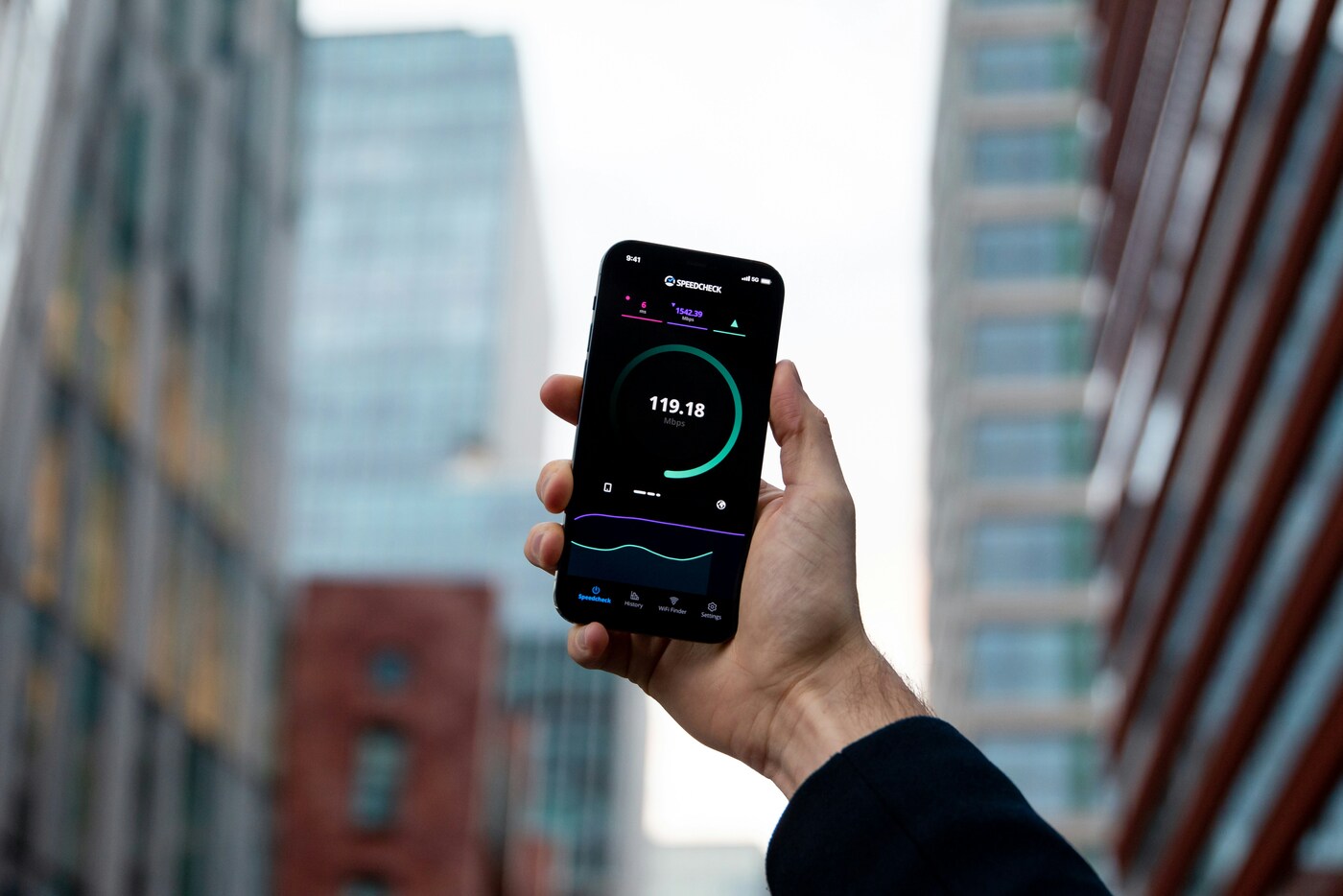
On the authoritative Ookla Speedtest Global Index, we're now 65th, or about 30 spots lower than in 2013.

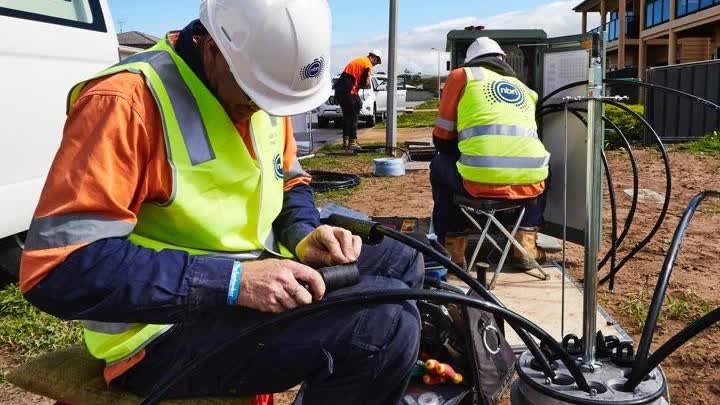
And yet we've spent so much money on the network: more than $50 billion on fibre optic cables and those little green network boxes that have popped up on suburban verges everywhere.

How did we end up here?

When can we expect speeds like in Singapore, New Zealand, or the United States?

And why aren't we hearing more about internet infrastructure this election?

Remember something called the NBN?

Experts have called the prolonged and costly rollout of the National Broadband Network "Australia's greatest infrastructure disaster".

It's both the reason the national median speed for fixed-line broadband is low — and the only way to make it any better.


In 2009, the Rudd government announced it would build a modern fibre optic telecommunications network.

Those outside the network footprint would be provided broadband access through fixed wireless and satellite technologies.

All up, it was estimated the NBN would cost $41 billion.

But even as the first cables were being laid, there were calls to change the model.

In the lead-up to the 2013 election, the Coalition proposed what it said would be a cheaper version: Instead of running fibre to every premise (fibre to the premise, or FTTP), it would run fibre part of the way, and use the existing copper-and-cable network for the rest.

In practice, this mostly consisted of running the fibre to small neighbourhood network boxes, or nodes, which connected to the copper network servicing each house (fibre to the node, or FTTN).

The Coalition won the election and estimated the cut-down version would cost $29.5 billion and be completed by 2019.

A few months later, that estimate was revised to $41 billion.

By 2019, the cost had blown out to $51 billion, and the network was not complete.


Along the way, new technologies were introduced like fibre to the curb (FTTC) and fibre to the distribution point (FTTdp).

But none of these clocked speeds as fast as FTTP.

In late 2020, the Coalition and NBN Co (the government-owned corporation that operates the network) declared the network was complete, with a small fraction of homes waiting to be connected.

By then, NBN Co had told Senate Estimates that the network, including planned upgrades, would cost $57 billion.

But that wasn't the end of the story: the NBN wasn't fast enough.

The mostly FTTN network is now in the process of being upgraded to FTTP (yes, that was the original idea), which could push the total cost past $70 billion once it's completed later this decade. Read More...

Previous Post

China builds world's largest mobile broadband and fiber optic network

Next Post

SplitX Summit: An Exclusive Gathering of XR, Metaverse, and Web3 Experts

Comments