Why Chinese companies are investing billions in Mexico
-
 Loading...
 - biren yara
- 17 Feb 2023
- 56 Views
- 0 Like
- 0 Comment
Tracing a path forged by Japanese and South Korean companies, Chinese firms are establishing factories that allow them to label their goods “Made in Mexico,” then trucking their products into the United States duty-free.
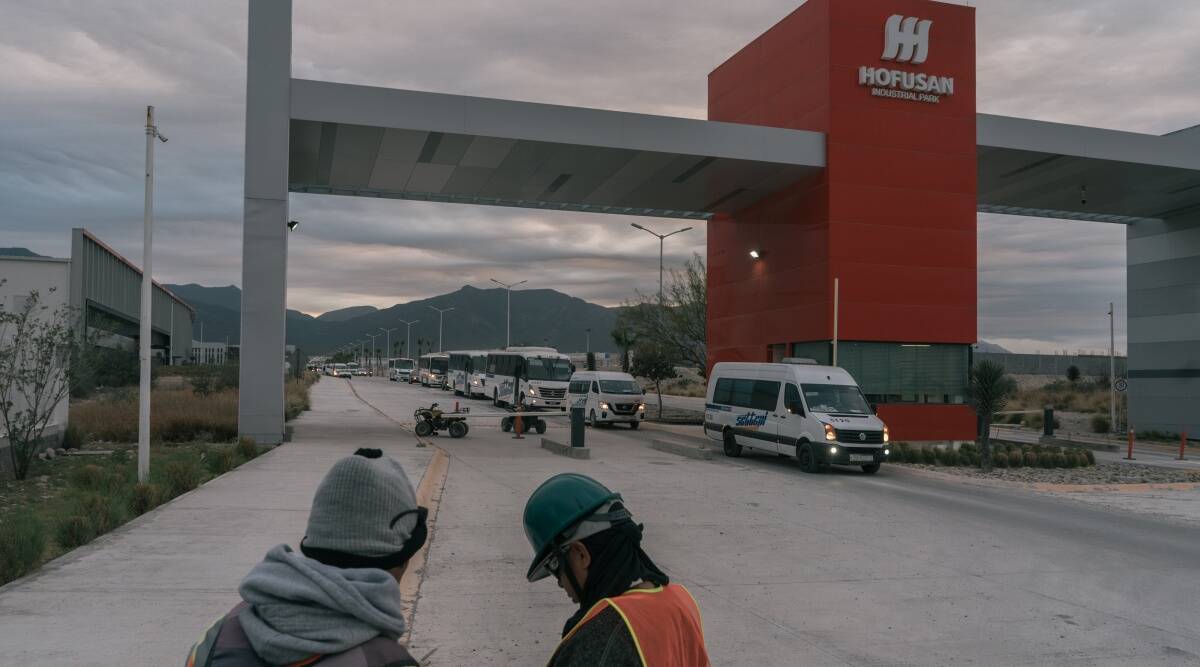
Bill Chan had never set foot anywhere in Mexico, let alone the lonely stretch of desert in the north of the country where he abruptly decided to build a $300 million factory. But that seemed a trifling detail amid the pressure to adapt to a swiftly changing global economy.
It was January 2022, and Chan’s company, Man Wah Furniture Manufacturing, was confronting grave challenges in moving sofas from its factories in China to customers in the United States. Shipping prices were skyrocketing. Washington and Beijing were locked in a fierce trade war.
Man Wah, one of China’s largest furniture companies, was eager to make its products on the North American side of the Pacific.
“Our main market is the United States,” said Chan, CEO of Man Wah’s Mexico subsidiary. “We don’t want to lose that market.”
That same objective explains why scores of major Chinese companies are investing aggressively in Mexico, taking advantage of an expansive North American trade deal. Tracing a path forged by Japanese and South Korean companies, Chinese firms are establishing factories that allow them to label their goods “Made in Mexico,” then trucking their products into the United States duty-free.
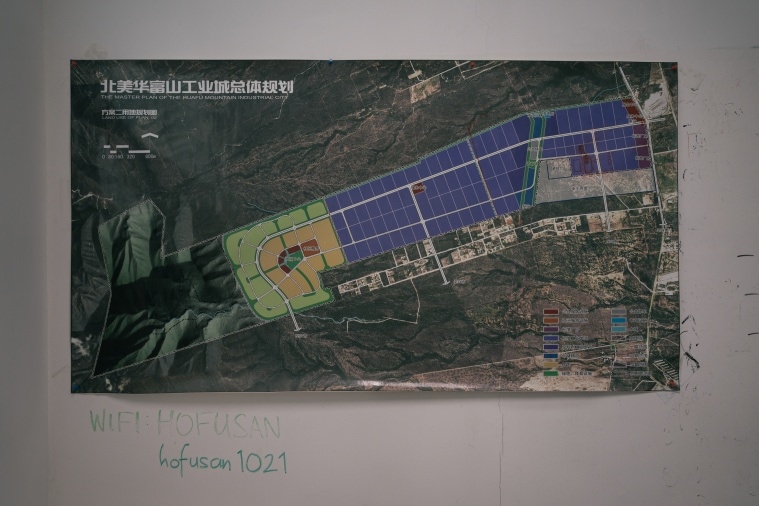
A master plan of Hofusan industrial park, a venture of a local developer and two companies from China, in Nuevo León, Mexico, Jan. 18, 2023. (Luis Antonio Rojas/The New York Times)
The interest of Chinese manufacturers in Mexico is part of a broader trend known as near-shoring. International companies are moving production closer to customers to limit their vulnerability to shipping problems and geopolitical tensions. Read More…