Why Bolivia is Latin America's Next Dining Destination
-
 Loading...
 - Amara Zara
- 30 Jul 2024
- 245 Views
- 0 Like
- 0 Comment
Bolivia, often overshadowed by its culinary neighbors Peru and Brazil, is emerging as Latin America's next must-visit dining destination. With its rich tapestry of indigenous traditions, diverse climates, and a burgeoning food scene, Bolivia offers a unique and vibrant gastronomic experience. Here are the key reasons why Bolivia should be on every food lover's radar.
1. Rich Culinary Heritage
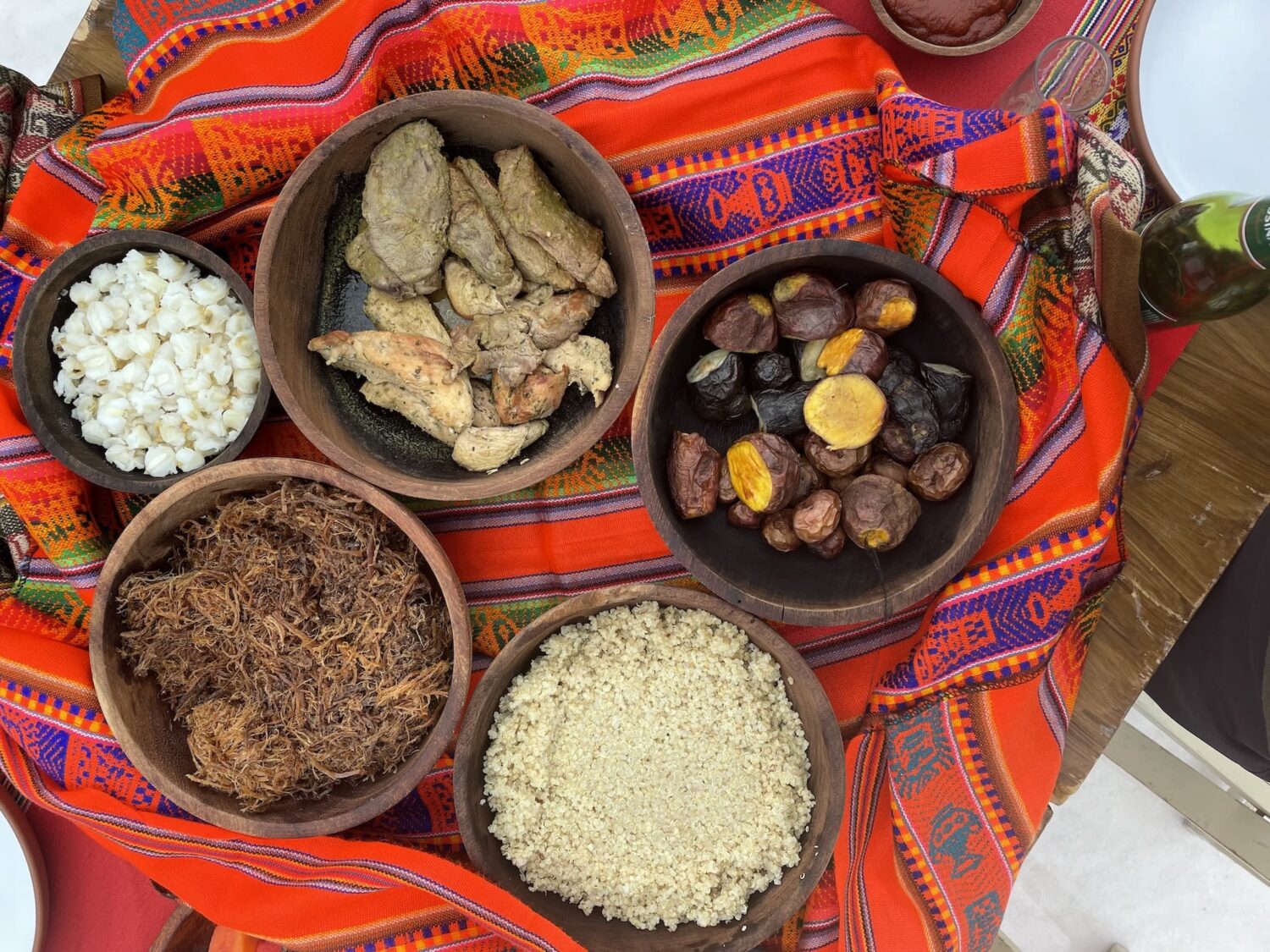
Bolivia's cuisine is deeply rooted in its indigenous cultures, with influences from Spanish colonization. Traditional dishes like salteñas (savory pastries), anticuchos (grilled meat skewers), and pique macho (a hearty meat and vegetable platter) offer a taste of Bolivia's diverse culinary history. These dishes are often made with native ingredients such as potatoes, corn, and quinoa, which have been staples in the region for thousands of years.
2. Biodiversity and Unique Ingredients
The country's diverse geography, ranging from the Andean highlands to the Amazon rainforest, provides a wealth of unique ingredients. Bolivia is home to an astonishing variety of potatoes, with over 4,000 different types grown in the region. Quinoa, now a global superfood, has been cultivated in Bolivia for centuries. The tropical regions offer exotic fruits like the achachairú and unique herbs like the Amazonian cilantro.
3. Innovative Chefs and Restaurants
A new generation of Bolivian chefs is putting the country on the global culinary map. Restaurants like Gustu in La Paz, founded by Noma co-founder Claus Meyer, are pioneering the use of local ingredients in innovative ways. These chefs are not only drawing inspiration from Bolivia's culinary heritage but are also experimenting with modern techniques to create a unique dining experience.
4. Culinary Festivals and Markets
Bolivia hosts a number of food festivals that celebrate its rich culinary traditions. The annual Tambo Gastronomy Festival in La Paz brings together chefs, farmers, and food enthusiasts to showcase the best of Bolivian cuisine. Local markets, such as the Witches’ Market in La Paz, offer a sensory overload of sights, sounds, and smells, providing an authentic taste of Bolivian street food.
5. Sustainable and Ethical Eating
Bolivia's emphasis on sustainable agriculture and ethical eating is another draw for conscientious diners. Many Bolivian chefs and restaurants are committed to supporting local farmers and preserving traditional farming methods. This not only ensures the freshest ingredients but also helps to sustain the local economy and protect the environment.
6. Fusion of Flavors
Bolivian cuisine is a fusion of flavors that reflects its diverse cultural influences. The Spanish brought new ingredients and cooking techniques, which have been blended with indigenous traditions to create a unique culinary identity. This fusion is evident in dishes like sajta de pollo (a spicy chicken stew) and chairo (a hearty Andean soup).
7. Culinary Tourism
Bolivia is increasingly catering to culinary tourists who want to explore its food culture. Food tours and cooking classes are becoming popular, offering visitors the chance to learn how to make traditional dishes and discover the stories behind them. These experiences provide a deeper understanding of Bolivia’s culinary heritage and its connection to the land and people.
8. Emerging Wine and Coffee Regions
Bolivia’s wine and coffee industries are also gaining international recognition. The high-altitude vineyards in the Tarija region produce some exceptional wines, while Bolivian coffee, grown in the Yungas region, is celebrated for its rich flavor and quality. Visiting these regions offers an opportunity to taste and learn about the production processes of these beverages.
9. Street Food Delights
No visit to Bolivia is complete without sampling its vibrant street food. From api (a traditional corn-based drink) to buñuelos (fried dough pastries), the street food scene offers a delicious and affordable way to experience Bolivian cuisine. Street vendors are often the keepers of traditional recipes, providing an authentic taste of Bolivia.
10. Adventure and Cuisine
Finally, Bolivia’s natural beauty and adventure opportunities complement its culinary offerings. Combining a trek through the stunning Salar de Uyuni or exploring the Amazon rainforest with a taste of local cuisine makes for an unforgettable experience. Food becomes an integral part of the adventure, enhancing the overall travel experience.
Bolivia’s rich culinary heritage, diverse ingredients, innovative chefs, and commitment to sustainability make it an exciting destination for food enthusiasts. As the country continues to gain recognition on the global culinary stage, there has never been a better time to explore the flavors of Bolivia. Whether you're savoring traditional dishes, experiencing the vibrant street food scene, or dining at cutting-edge restaurants, Bolivia promises a culinary journey that is as diverse and vibrant as its landscapes.