What makes you more attractive to mosquitoes: A mouse study has the answers
-
 Loading...
 - Melanie Corbyn
- 28 Jul 2022
- 93 Views
- 0 Like
- 0 Comment
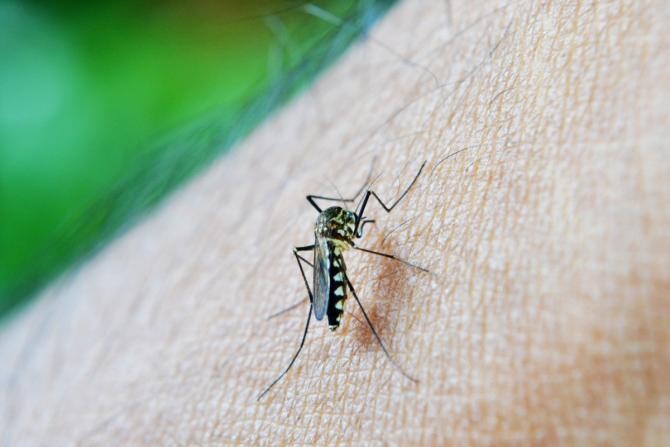
It has been proven that the mosquito is the most dangerous insect in the world. Yes, as funny as it may seem, the mosquito is even more dangerous than the venom-carrying insects, for the simple fact that it carries from one place to another and from one host to another viruses and bacteria that can be lethal to both animals and humans. people. More than one million deaths a year are attributed to mosquito-borne diseases, including malaria, yellow fever, dengue fever, Zika and chikungunya fever.
In a recently published study , scientists discovered that some viruses can alter a person's body odor to make it more "attractive" to insects, leading to more bites that allow the virus to spread. These viruses change host odors to attract mosquitoes. Mosquitoes locate a potential host through various sensory cues, such as body temperature and the carbon dioxide emitted by your breath. Smells also play a role. Previous laboratory research has found that mice infected with malaria have changes in their odors that make them more attractive to the deadly insects, reports Sci News .
Experiment on mice
The researchers wondered whether other mosquito-borne viruses, such as dengue and Zika, can also change a person's smell to make them more attractive to mosquitoes, and whether there is a way to prevent these changes. To investigate this, they placed mice infected with the dengue or Zika virus, uninfected mice and mosquitoes in one of three arms of a glass chamber. When they applied airflow through the mice's chambers to channel their odors toward the mosquitoes, they found that more mosquitoes chose to fly to the infected mice. To identify the odor, the researchers isolated 20 different gaseous chemical compounds from the odor emitted by the infected mice. Of these, they found three to stimulate a significant response in mosquito antennae. When they applied these three compounds to the skin of healthy mice and the hands of human volunteers, only one, acetophenone, attracted more mosquitoes. They found that infected mice produced ten times more acetophenone than uninfected mice. Read More…