What is the Ofgem energy price cap and how much are bills falling?
-
 Loading...
 - Kane Prince
- 27 Jun 2024
- 84 Views
- 0 Like
- 0 Comment
Gas and electricity prices will fall by 7% in England, Scotland and Wales on 1 July.
Starting from July 1st, the typical annual dual-fuel bill paid by direct debit will be capped at £1,568 per year under the new energy price cap. Although this marks the lowest point in two years, it is still around £400 higher than three years ago.
What is the Energy Price Cap?
The energy price cap, set quarterly by the energy regulator Ofgem, limits the maximum price per unit of energy for 28 million households in England, Wales, and Scotland. It applies to standard or default tariffs for typical dual-fuel households paying by direct debit. From July 1 to September 30, gas prices are capped at 5.48p per kilowatt hour (kWh), and electricity at 22.36p per kWh. Note that this cap does not apply to Northern Ireland, which has its own energy market where prices are also decreasing.
How Much Will Bills Decrease?
For a typical dual-fuel household paying by direct debit, the annual bill will decrease by £122 to £1,568 starting July 1. Those paying quarterly by cash or cheque will see their bills drop by £129 to £1,668.
Defining a Typical Household
Your energy bill varies based on consumption, payment method, property type, energy efficiency, and household size. Ofgem’s cap assumes a typical household uses 11,500 kWh of gas and 2,700 kWh of electricity annually, with a single contract for both, paid by direct debit. Most households use this payment method to spread costs over the year, while quarterly cash or cheque payments incur higher charges.
Changes for Prepayment Customers
Households with prepayment meters will pay slightly less than those on direct debit, with a typical bill of £1,522, a decrease of £121 from July 1. Previously, prepayment customers paid the same as those on direct debit. As of April 2024, about four million households had prepayment meters, with some installed recently due to payment struggles. New rules now require suppliers to offer more debt-clearing opportunities before installing a meter and prohibit installations in certain households.
Standing Charges
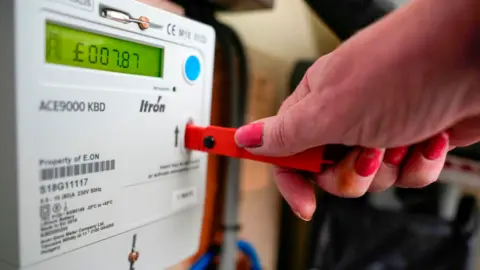
Despite the overall cap reduction, standing charges—daily fixed costs for supply connection—remain unchanged, typically 60p a day for electricity and 31p a day for gas, varying by region. Critics argue these charges disproportionately affect low energy users. Additionally, Ofgem will add £28 to annual bills to address the £3.1bn debt owed to suppliers.
Should You Fix Your Energy Prices?
Falling energy prices have led to expectations of cheaper, fixed-price deals. These deals offer price stability for a set period, but may lock in higher rates if prices drop further. Analysts predict typical bills may rise to £1,762 in October and stay there through January. Before choosing a fixed deal, Ofgem advises seeking independent advice and considering personal priorities—lowest price or price stability. Uswitch also recommends checking for exit fees on fixed deals.
Financial Help for Energy Bills
While extra cost-of-living payments for certain groups, like pensioners and benefit recipients, have largely ended, the £500m Household Support Fund has been extended by six months from March 2024. The Warm Home Discount scheme continues to provide discounts to eligible pensioners and low-income households. The government’s Fuel Direct Scheme helps repay energy debt directly from benefits. Suppliers must also offer affordable payment plans or repayment holidays, and most provide hardship grants. The business energy support scheme, which discounted wholesale prices, ended in March 2024.