What Is a Crypto Wallet and How Does It Work?

Buying cryptocurrency is not enough, you need a safe place to keep it. Unlike traditional money, you cannot store crypto in the wallet you carry around in your pockets, you will need a special crypto wallet.
What Is a Crypto Wallet?
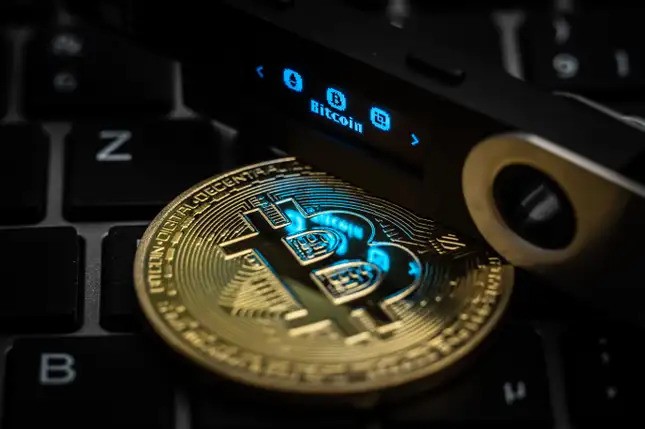
A crypto wallet can either be a software program or a physical device that allows you to store your crypto and make transactions through it. A crypto wallet can come in the form of a hardware wallet that looks like a USB stick or a mobile application like the Coinbase Wallet.
Security and storage are some of the biggest concerns when it comes to investing in crypto. If you are not careful, you might lose the currency you are holding. That is where crypto wallets come into the picture.
A crypto wallet is equipped with two sets of keys: a private key and a public key. The public key is like an address that is used by the sender to send crypto to your wallet. On the other hand, the private key is like the password to your safe deposit box in which you have stored the crypto. Anyone who has access to the private key will be able to make transactions with the crypto that you own. That is why the private key needs to be kept very carefully.
How Does a Crypto Wallet Work?
Like everything related to cryptocurrencies, the workings of a crypto wallet are also associated with the blockchain network. Blockchain is a public database that stores crypto-related data in the form of blocks. These blocks contain records of all crypto transactions and the owners of the respective keys. The software inside a crypto wallet stores these addresses and allows the holders of the crypto to make transactions with the currencies that they own.
It is very important to get the addresses right when you are sending crypto to someone. For example, if you are sending Bitcoin to a Bitcoin Cash address, your crypto and the respective funds will be misplaced.
Types of Crypto Wallets
Crypto wallets can either be hot, software wallets, which are connected to the Internet, or cold which offers an offline storage system. These wallets are categorized into the following types based on the underlying technology and the degree of safety offered by them.
Hosted Wallets
These are the most popular crypto hot wallets because of their ease of use. When you buy crypto using a third-party app like Coinbase, the currency is automatically held in a hosted wallet. These are called hosted because the service provider keeps your crypto safe for you. Keeping your crypto in a hosted wallet is a great option for people who tend to forget their passwords because the host will preserve your crypto, even if you forget your private keys. However, you would not be able to utilize all the features of your crypto when you keep it in a hosted wallet.
Self-Custody Wallets
A self-custody wallet gives you greater control over the crypto that you are holding because there is no third-party acting as the custodian. However, with great power comes great responsibility and you have to bear the burden of remembering your private key. Self-custody wallets are hot wallets that allow you to engage in advanced activities like yield farming, staking of crypto and lending and borrowing apart from the regular buy-sell transactions.
Hardware Wallets
This is a form of a cold wallet and is like a physical device resembling a large USB drive. Beginners are usually skeptical to use hardware wallets because they are complicated and expensive. However, if you can keep the private keys safe, hardware wallets are the most secure because they can keep your crypto intact even if your computer is hacked.
How To Set up a Crypto Wallet
A traditional crypto wallet like a Bitcoin wallet might seem similar to your bank account, but there are many differences between the two since crypto protocols work differently.
Setting up a Hardware Wallet
You have to buy the physical hardware storage device for setting up this crypto wallet. After buying the device, you need to download the associated software on your computer, note the private keys and establish a connection between your computer and hardware wallet. Read More…