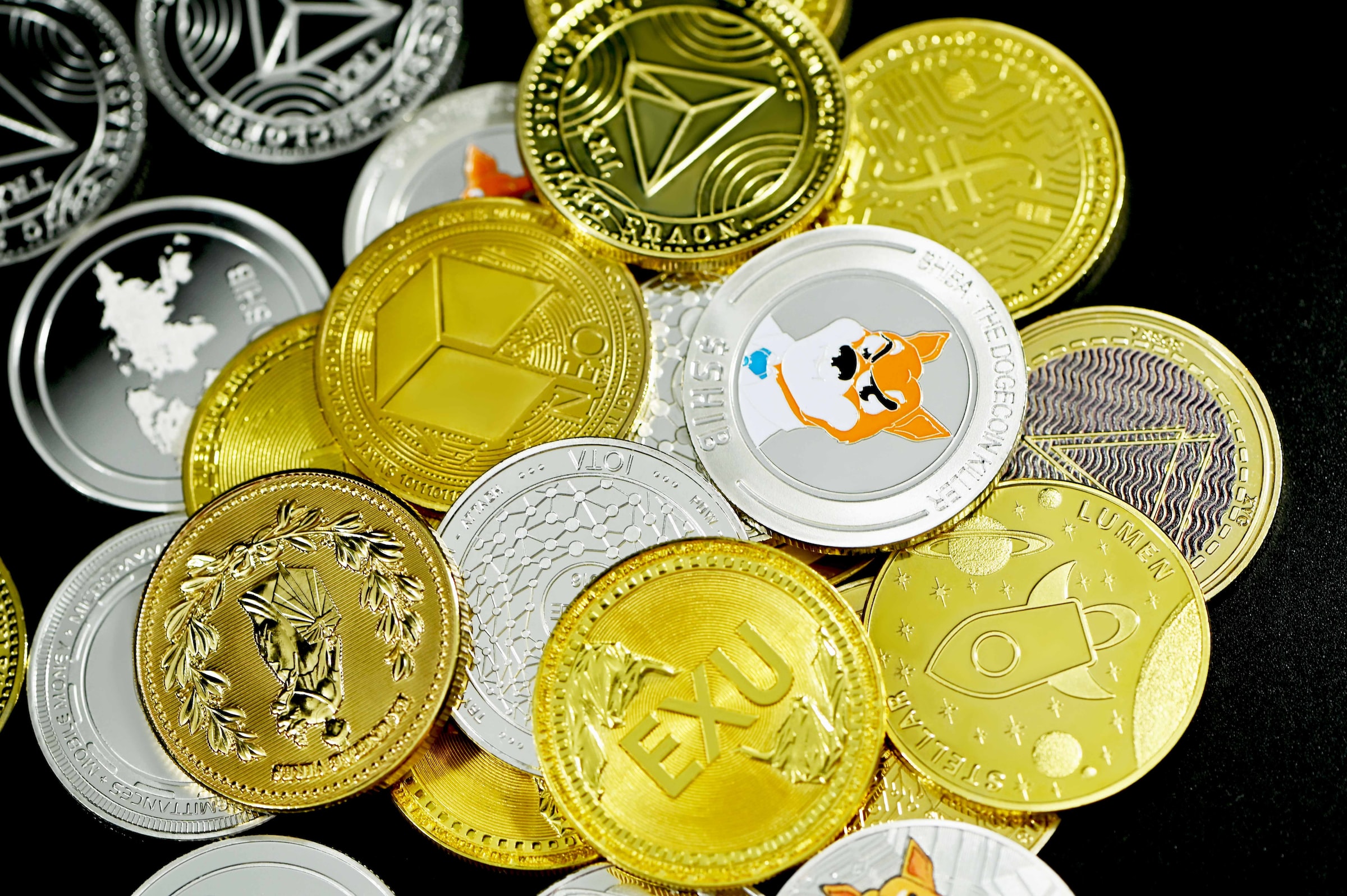
What Are Altcoins in the Cryptocurrency Market?
-
 Loading...
 - Martha Oluoch
- 01 Jun 2023
- 67 Views
- 0 Like
- 0 Comment
Altcoins, also known as alternative coins, have gained significant attention in the cryptocurrency market. As Bitcoin's dominance gradually expands beyond the realm of digital currencies, many investors and enthusiasts are curious about altcoins. In this article, we will explore the world of altcoins, their characteristics, and their role in the ever-evolving cryptocurrency market.
The cryptocurrency market is not solely composed of Bitcoin. While Bitcoin remains the most well-known and valuable cryptocurrency, there are numerous other digital currencies called altcoins. These altcoins have emerged as alternatives to Bitcoin, each with its unique features, use cases, and technologies.
What Are Altcoins in the Cryptocurrency Market?
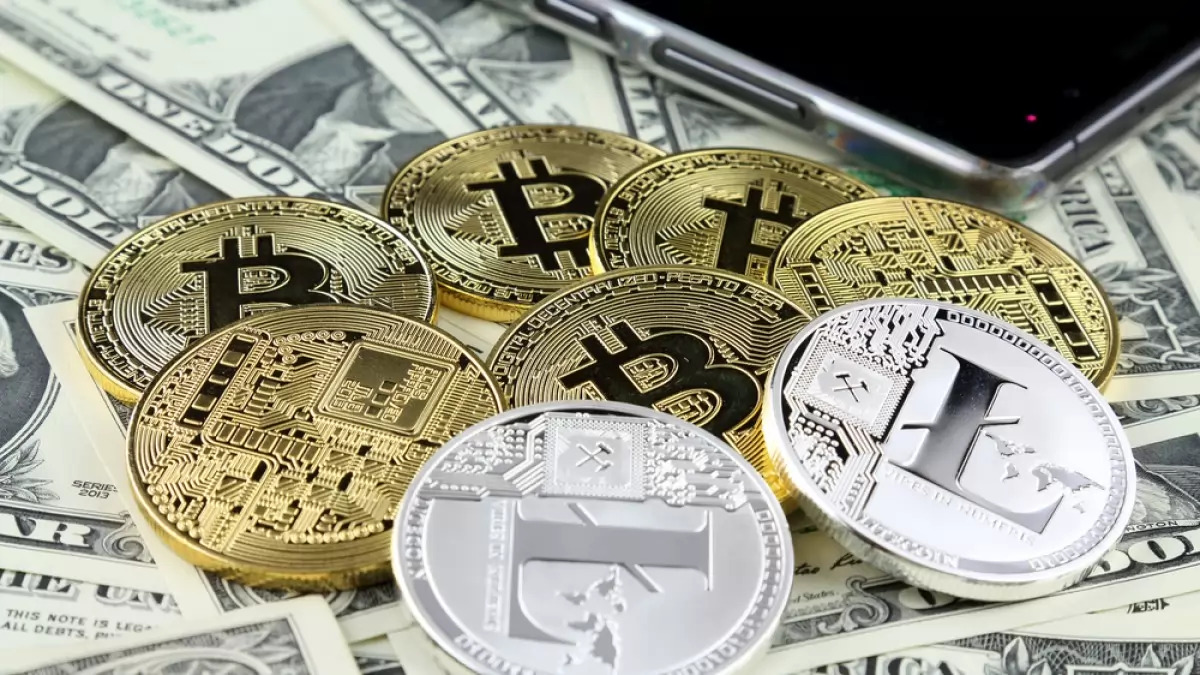
Altcoins refer to any cryptocurrency other than Bitcoin. They encompass a wide range of digital currencies that were created after Bitcoin's inception in 2009. Altcoins vary in terms of their purpose, underlying technology, and market capitalization. Some popular altcoins include Ethereum (ETH), Ripple (XRP), Litecoin (LTC), and Cardano (ADA).
Altcoins offer investors and users additional choices beyond Bitcoin. They aim to address limitations and shortcomings present in Bitcoin, such as scalability, transaction speed, and smart contract capabilities. Moreover, altcoins provide opportunities for innovative projects and serve as platforms for decentralized applications (DApps) and various blockchain solutions.
Characteristics of Altcoins
Altcoins possess unique characteristics that differentiate them from one another and from Bitcoin. Understanding these characteristics is crucial for anyone venturing into the world of altcoin investments. Let's explore some key aspects of altcoins:
1. Different Consensus Mechanisms
While Bitcoin relies on the proof-of-work (PoW) consensus mechanism, altcoins have introduced alternative consensus mechanisms. For instance, Ethereum uses a proof-of-stake (PoS) mechanism, which consumes less energy compared to PoW and allows for faster transaction confirmations.
2. Variety of Use Cases
Altcoins serve different purposes in the cryptocurrency ecosystem. Some altcoins focus on enabling faster and cheaper transactions, while others emphasize privacy, scalability, or smart contract functionality. This diversity allows users to choose altcoins that align with their specific needs.
3. Innovation and Experimentation
Altcoins encourage innovation and experimentation within the cryptocurrency market. They provide a platform for developers to test new technologies, protocols, and concepts. This continuous exploration contributes to the overall growth and development of the entire cryptocurrency ecosystem.
4. Market Volatility
Similar to Bitcoin, altcoins are subject to significant price volatility. The market value of altcoins can experience sharp fluctuations, influenced by factors such as market demand, regulatory developments, and investor sentiment. Investors must carefully evaluate the risks associated with altcoin investments.
Popular Altcoins in the Cryptocurrency Market
Altcoins have gained substantial popularity over the years, with several emerging as notable players in the cryptocurrency market. Let's take a closer look at some of the most prominent altcoins:
1. Ethereum (ETH)
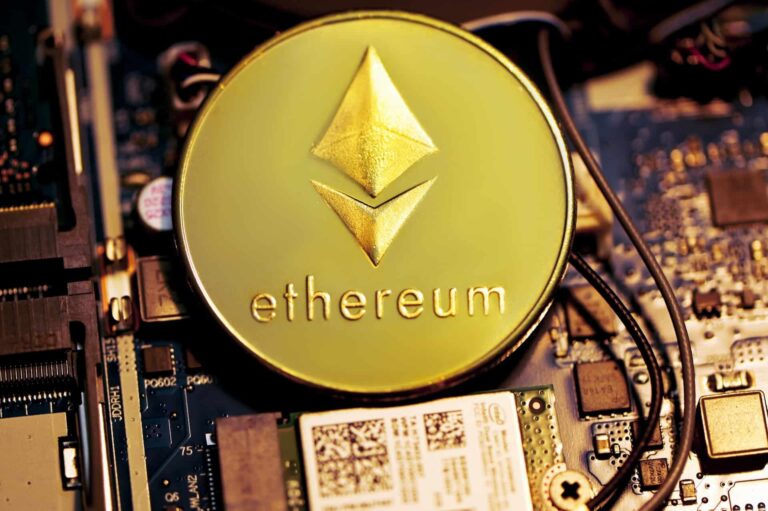
Ethereum is one of the leading altcoins and a platform for decentralized applications. It introduced smart contracts, enabling developers to build and deploy applications on its blockchain. Ethereum's native cryptocurrency is Ether (ETH), which is used to fuel transactions and execute smart contracts.
To learn more about Ethereum, visit their official website: Ethereum Website
2. Ripple (XRP)
Ripple focuses on facilitating fast and low-cost international money transfers. It aims to revolutionize the traditional banking system by enabling real-time cross-border transactions. Ripple's native cryptocurrency is XRP, which is used to facilitate these transactions.
To explore Ripple further, visit their official website: Ripple Website
3. Litecoin (LTC)
Litecoin is often referred to as the silver to Bitcoin's gold. It offers faster transaction confirmations and a different hashing algorithm compared to Bitcoin. Litecoin's goal is to provide a more efficient and accessible payment method for everyday transactions.
To delve deeper into Litecoin, visit their official website: Litecoin Website
4. Cardano (ADA)
Cardano is a blockchain platform that aims to provide a secure and sustainable platform for the development of decentralized applications. It places a strong emphasis on research and peer-reviewed protocols to ensure robustness and longevity.
To discover more about Cardano, visit their official website: Cardano Website
These are just a few examples of the many altcoins available in the cryptocurrency market. Each altcoin offers its unique value proposition, and investors should conduct thorough research before considering any investments.
Frequently Asked Questions
1. What are the advantages of investing in altcoins?
Investing in altcoins provides diversification in the cryptocurrency market. It allows investors to take advantage of the unique features and potential growth of different altcoins. However, it's essential to conduct research and due diligence before making any investment decisions.
2. Are altcoins riskier than Bitcoin?
Altcoins, like Bitcoin, carry a level of risk due to market volatility and regulatory uncertainties. Some altcoins may be riskier than others, especially those with smaller market capitalization and less established track records. Investors should carefully assess the risks associated with each altcoin.
3. Can altcoins surpass Bitcoin in terms of market capitalization?
While altcoins have gained popularity, Bitcoin's market capitalization remains significantly higher than any individual altcoin. However, it is possible for certain altcoins to experience significant growth and potentially challenge Bitcoin's dominance in the future.
4. How can one buy altcoins?
Altcoins can be purchased through cryptocurrency exchanges that support their trading. Investors need to create an account on a reputable exchange, complete the necessary verification procedures, and deposit funds to start trading altcoins.
5. What is the future outlook for altcoins?
The future of altcoins is uncertain and heavily dependent on market dynamics, technological advancements, and regulatory developments. As the cryptocurrency market continues to evolve, some altcoins may thrive, while others may fade away. It is essential to stay informed and adapt to changing market conditions.
6. Are altcoins only for investment purposes?
While many people view altcoins as investment assets, they also serve various other purposes. Some altcoins are designed to facilitate specific use cases, such as decentralized finance (DeFi) applications, gaming platforms, or identity management systems. Altcoins can provide utility beyond pure investment opportunities.
In conclusion, Altcoins have become an integral part of the cryptocurrency market, offering investors and users alternative choices beyond Bitcoin. With their unique characteristics, diverse use cases, and potential for innovation, altcoins contribute to the growth and development of the entire cryptocurrency ecosystem. However, investing in altcoins requires careful consideration of risks and thorough research. Stay informed, adapt to market conditions, and remember that the cryptocurrency market is highly volatile.