Vietnamese Scientists Develop Raw-Edible Corn

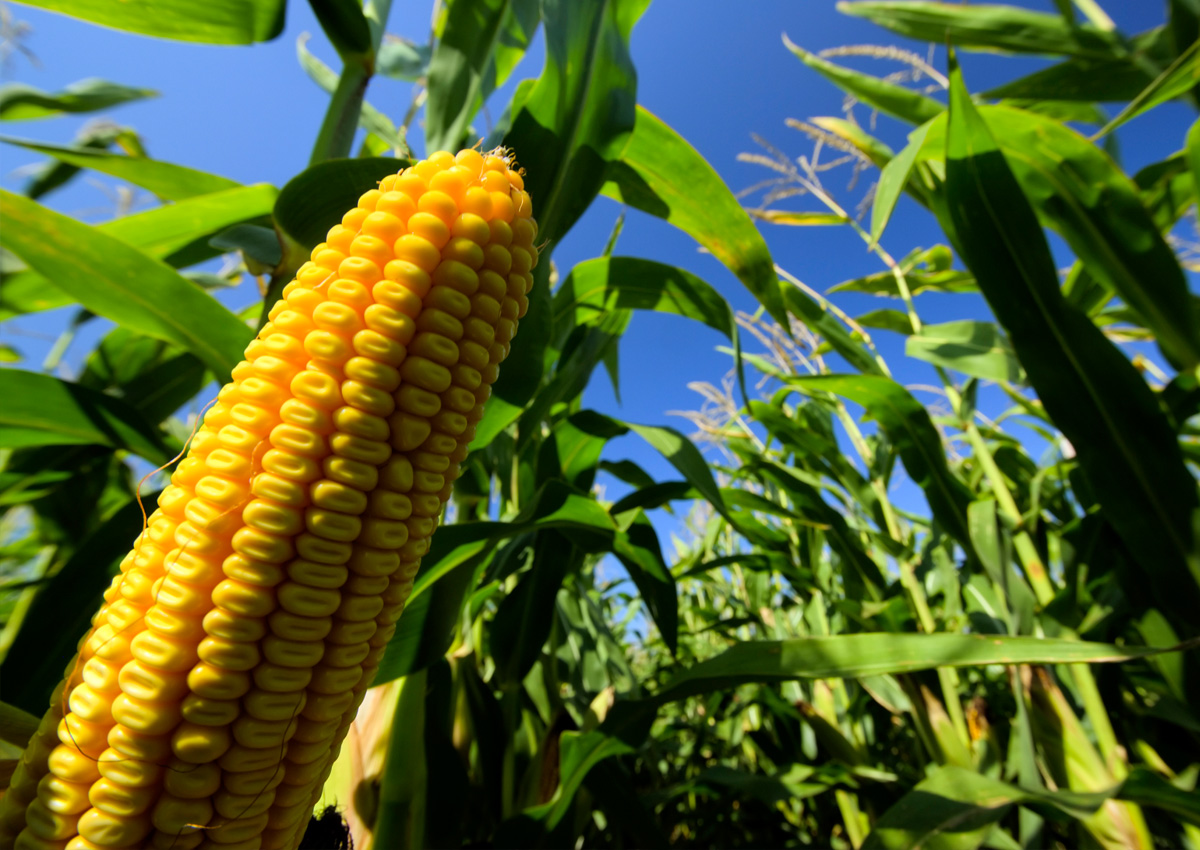
A team of Vietnamese scientists has successfully created a variety of sweet corn that can be consumed in its raw state, without the need for any processing methods.
Nguyen Van Ha, an esteemed researcher at the Institute of Plant Research and Development within the Vietnam National University of Agriculture, announced the development of the SSW18 cultivar, which possesses a high water content and a low starch content.
According to Ha, the taste of this corn when eaten raw resembles that of fully ripe fruits. Unlike regular corn, which typically registers a sweetness level of 12-15 Brix degrees, this new cultivar boasts a remarkable sweetness level of 18 Brix degrees. Despite its elevated sugar content, its impact on the body differs from that of glucose or sucrose, enabling individuals with diabetes or those on a diet to safely consume this cultivar without any adverse effects.
Ha elucidated that this novel cultivar was achieved through traditional breeding techniques and did not involve any genetic modification. Owing to its low starch content, the corn can be consumed in its raw form without the typical "raw" taste.
Although certain aspects of this cultivar are still undergoing refinement before it becomes commercially available, Ha expressed confidence in the progress being made.
Over the past 7-8 years, Ha's research group has diligently dedicated their efforts to the development of this cultivar. The concept of cultivating corn that can be consumed directly, without the need for cooking, has gained popularity worldwide. Ha explained, "In addition to the convenience it offers, the absence of a cooking process retains essential nutrients in the corn, such as vitamins and amino acids."
Currently, trial plantations of this cultivar are being conducted in various localities across northern Vietnam, including Hanoi, Sa Pa, Ha Giang, and Vinh Phuc. It thrives particularly well in regions with cooler climates, such as Sa Pa. The corn requires a growth period of approximately 70-80 days before it can be harvested, yielding an average of 10-12 tons per hectare.
Scientists are now evaluating the performance of this cultivar in diverse ecosystems to determine the most suitable regions for its cultivation. They are also employing innovative technologies to further enhance its taste and fortify its resistance against pests and diseases.