Videography Tips for Photographers
-
 Loading...
 - Brenda Gregory
- 05 Jan 2022
- 471 Views
- 0 Like
- 0 Comment
In this article I’ll share videography tips for beginners, wedding videography tips, drone videography tips, and more.
Keep reading to discover my four top videography tips for photographers, plus a few bonus videography tips for those of you who make it all the way to the end.
Videography Tips: Get Your Hands on The Essential Gear
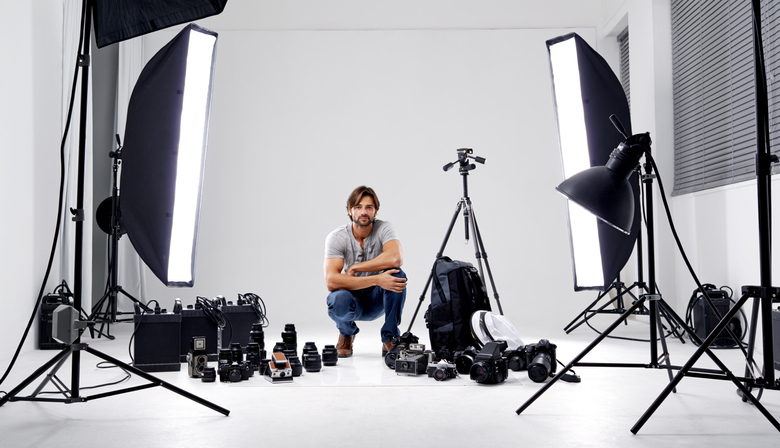
One of the most important videography tips for beginners is to put together a kit of essential gear that you will need for shooting video. Having the right equipment helps make the transition from photography to videography much easier, and will instantly improve the quality of your footage.
The most essential piece of gear for videography is a reliable tripod. There are many great tripods specifically designed for video, but if you already have a tripod you use for photography and don’t want to buy a new one just for videography I totally understand. If that’s the case, you should at least invest in a quality “pan and tilt head” or “fluid video head” for your current tripod.
A sturdy tripod is far from the only video specific equipment you need however. Here’s a list of more essential videography gear to include in your kit:
· A variety of lenses (zoom and prime lenses)
· Lighting equipment (a 3-point lighting kit is great for beginners)
· An external microphone
· Lots of memory cards, batteries, and external hard drives
· A gimbal
· A good video editing software
Videography Tips: Learn Frame Rates and What They Mean
Did you know that video is actually just a compilation of still images played back at speeds that make it look fluid! We measure this in what we call “frame rate” or “frames per second” (fps).
Simply put, frame rate is the amount of still images that make up one second of video. The majority of DSLR and mirrorless cameras give you the option to record in a handful of different frame rates, with the most common ones being 24fps, 30fps, 60fps, and 120fps. Let’s take a look at the differences between them and how to choose which one is best for you.
· 24fps, or 23.98fps as it is sometimes written, is the gold standard in film and gives you that oh so sought after cinematic look that filmmakers crave. Personally, I would recommend shooting the majority of your projects in 24fps.
· 30fps is the standard frame rate for live television, news, sports, and talk shows. It’s a great choice if you are vlogging or making a video podcast. Additionally, it’s a great frame rate to use when flying a drone!
· 60fps is the frame rate closest to human vision, and is usually used when you want to record footage that will later be played back in slow motion. It’s a favorite among wedding photographers who absolutely love using slow-mo!
· 120fps is considered true slow motion, and is terrific for recording establishing shots, high speed sports, and water droplets. Unfortunately, 120fps is only an option on higher end video cameras.