Van Gogh village museum tells story of the Potato Eater years
-
 Loading...
 - Kleve Svein
- 11 May 2023
- 79 Views
- 0 Like
- 0 Comment
The Van Gogh Village Museum in Brabant has managed to create an engaging and informative display about the life and work of Vincent Van Gogh, even though it does not house any of his original paintings. Located in the village where the painter created his renowned work The Potato Eaters, the museum has undergone extensive renovations and reopened recently to the public. The museum aims to take visitors on a journey through the misunderstood painter’s life, particularly his times and techniques living as a Protestant in a largely traditional, Catholic Dutch village.
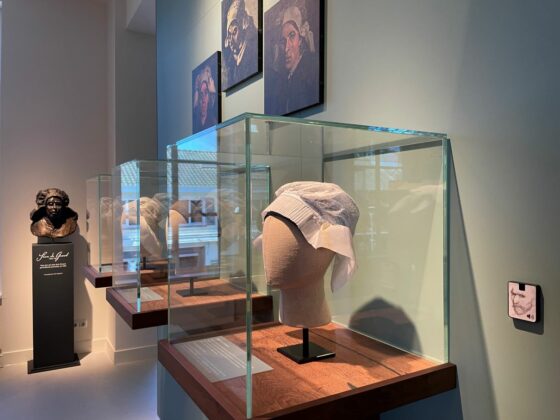
The museum building, formerly known as the Museum Vincentre and before that, the local city hall, a school, and a Chinese restaurant, has been transformed thanks to a €2.5 million loan from the province and private fundraising. One part of the museum displays the story of the Dutch artist's life and early times in the Netherlands, showcasing artifacts and copies of his works. The recreation of The Potato Eaters is one of the museum's highlights. Additionally, the temporary exhibition space features contemporary art exhibitions such as photography inspired by Van Gogh.
The director of the Van Gogh Brabant Foundation, Frank van den Eijnden, explained that the museum collaborated with the Noordbrabants Museum, where Van Gogh's real paintings are located. The Van Gogh Village Museum chooses to focus on the artist's life rather than his original paintings since it is costly to acquire them. Although the museum has original paintings from Van Gogh's friends, the Noordbrabants Museum across the street houses his real paintings.
The museum explores how the painter struggled to find his place in the traditional Dutch community. Van Gogh was born in the Dutch village of Zundert in 1853 and was partly home-schooled. He began working in an art dealership before trying his hand at teaching in England and being a priest.
By 1881, he was back in the Netherlands, moving back in with his parents in Neunen, where he created his first studio in a laundry room behind his parents' home. During this period, he became fascinated with workers on the land and created his dark-toned masterpiece, The Potato Eaters, in 1885.

The Dutch museum tells the story of this period in Van Gogh's life in the Netherlands using objects, audio, letters, and reproductions of his famous paintings. Visitors can use the same tools Van Gogh employed to understand perspective and see the only formal record of his time in Neunen, the town's signed civil registry. This is despite the fact that 'Vincent detested formalities.'
Like the Prinsenhof Museum in Delft, which tells the story of Johannes Vermeer's life without his works, the Van Gogh Village Museum vividly pieces together a key time in the life and work of Vincent Van Gogh. Afterward, he would cut his ties with the Netherlands, move to France, change his color palette and painting style dramatically and see his mental health deteriorate to the point of suicide in 1890.
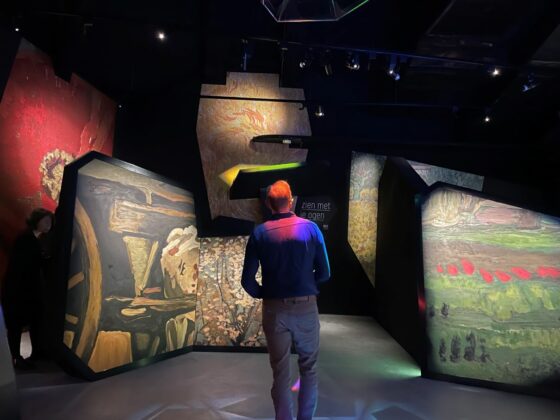
The director of the Van Gogh Village Museum, Simone van der Heiden, said, "We don't have a bigger icon in the region than Vincent – the whole world knows Vincent van Gogh. Here we show the story of his life, but it's also outside on the streets, in the monuments and buildings. That is really unique." Downstairs, an interactive light display aims to show visitors how Van Gogh played with color and contrast to highlight certain aspects of his paintings. Visitors can see the connection between light and color in just a few minutes, which took the artist months to discover.
In conclusion, the Van Gogh Village Museum is a must-visit for art enthusiasts and those interested in the artist's life. The museum has managed