US Funding Cuts Will Have Dire Consequences for Millions of Vulnerable People, UN Raises the Alarm
-
 Loading...
 - Auton Clarke
- 03 Mar 2025
- 47 Views
- 0 Like
- 0 Comment
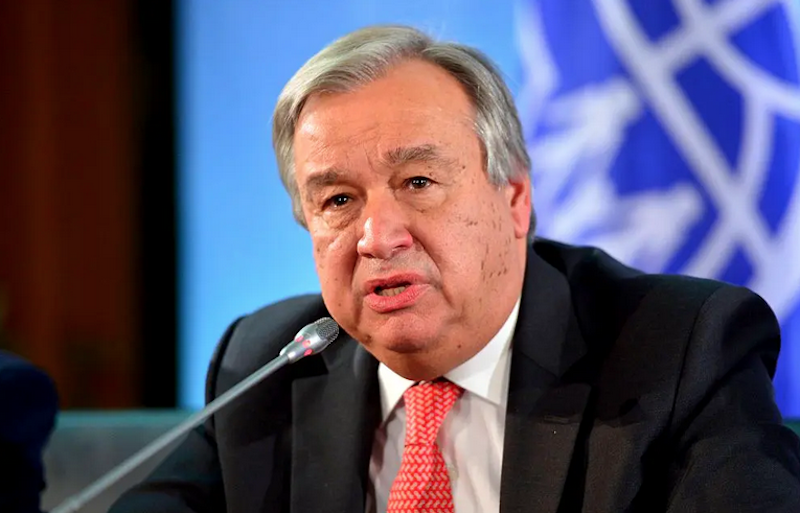
The United Nations (UN) Secretary-General, António Guterres, has issued a grave warning regarding the recent decision by the United States to cut humanitarian and development funding. He emphasized that these cuts will have dire consequences for millions of vulnerable individuals around the globe, threatening essential programs that provide critical support in times of need.
Guterres highlighted that the reduction in US financial support would exacerbate already precarious conditions for those affected by conflict, natural disasters, and other crises. “These cuts will be especially devastating for vulnerable people around the world. From war-torn regions to areas struck by natural disasters, the loss of support will leave millions more at risk,” he stated.
The UN chief pointed out that American funding plays a vital role in delivering essential services such as healthcare, shelter, water, food, and education to those living through wars, famines, and disasters. He noted that the generosity and compassion of the American people have historically saved lives, built peace, and contributed to global stability and prosperity, which ultimately benefits Americans as well.
Guterres expressed concern that proceeding with the funding cuts would lead to a world that is “less healthy, less safe, and less prosperous.” He urged for a reconsideration of these decisions, hoping they could be reversed through more careful reviews. This sentiment extends to other countries that have also announced reductions in humanitarian and development aid.
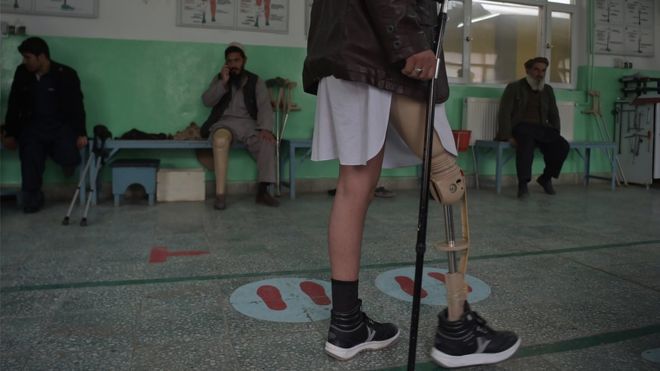
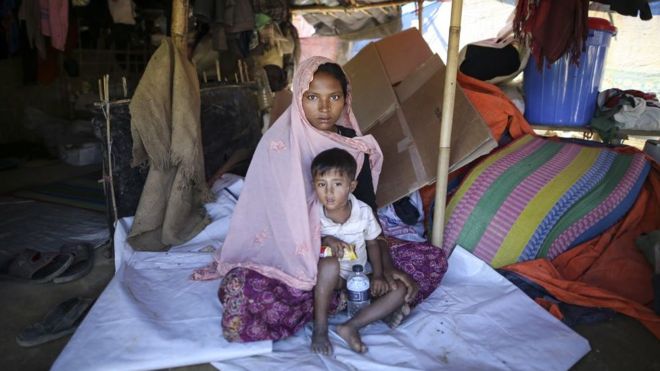
The impact of these funding cuts is already being felt in critical regions. In Afghanistan, over nine million people are at risk of losing access to healthcare and protection services. In northeast Syria, the lack of funding threatens to disrupt relief efforts for 2.5 million people who rely on aid. Additionally, cash-based aid programs in Ukraine, which assist one million people, have been suspended due to depleted funds, while refugee support programs in South Sudan are facing severe shortages, leading to overcrowding and unsanitary conditions at border areas.
Beyond immediate humanitarian relief, Guterres warned that the cuts would significantly weaken global health initiatives, counterterrorism efforts, and the fight against drug trafficking. He noted that the UN Office on Drugs and Crime (UNODC) may have to halt key counter-narcotics operations, including those addressing the fentanyl crisis. Furthermore, funding for programs tackling diseases such as HIV/AIDS, tuberculosis, malaria, and cholera has been halted.
In response to the funding crisis, Guterres assured that the UN would continue to provide lifesaving assistance while seeking alternative funding sources. “Our absolute priority remains clear. We will do everything we can to provide life-saving aid to those in urgent need,” he affirmed. He reiterated the UN’s commitment to making global humanitarian efforts as efficient, accountable, and innovative as possible while continuing to save lives.
The urgency of this situation has been underscored by recent actions taken by UN agencies, which have begun scaling back global aid operations following a 90-day suspension of all foreign assistance ordered by the Trump administration last month. The implications of these funding cuts are profound, and the UN’s call to action serves as a critical reminder of the importance of sustained support for vulnerable populations worldwide.