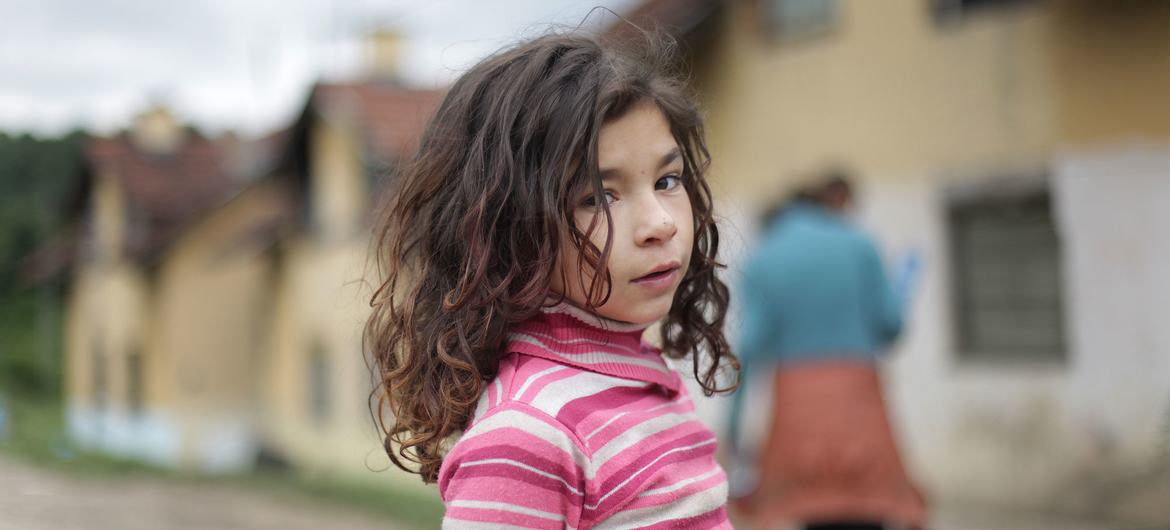
UNICEF warns of deepening inequalities in Europe and Central Asia
-
 Loading...
 - Lotta Koskinen
- 13 Mar 2023
- 65 Views
- 0 Like
- 0 Comment
The report on children’s rights is the first of its kind to bring together existing data and analysis for all countries in the region, while highlighting critical data gaps that need to be filled.
Data deficit
UNICEF Regional Director Afshan Khan said the war in Ukraine, the pandemic, climate change and the current economic and energy crisis have plunged many families into uncertainty, affecting their well-being and that of their children.
“However, lack of data of how these events have affected children’s rights makes it difficult to assess how we can meet the needs of the most vulnerable children and families, so that no child in the region is left behind,” she added.
At a disadvantage
An estimated 35 to 40 million children across Europe and Central Asia are living in poverty, according to UNICEF. The report reveals inequalities in access to healthcare and education for some of the most vulnerable.
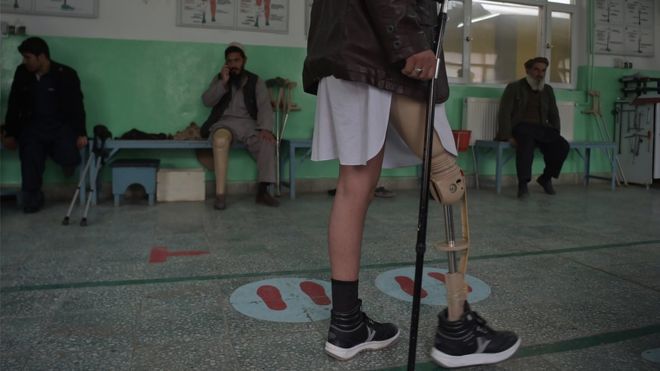
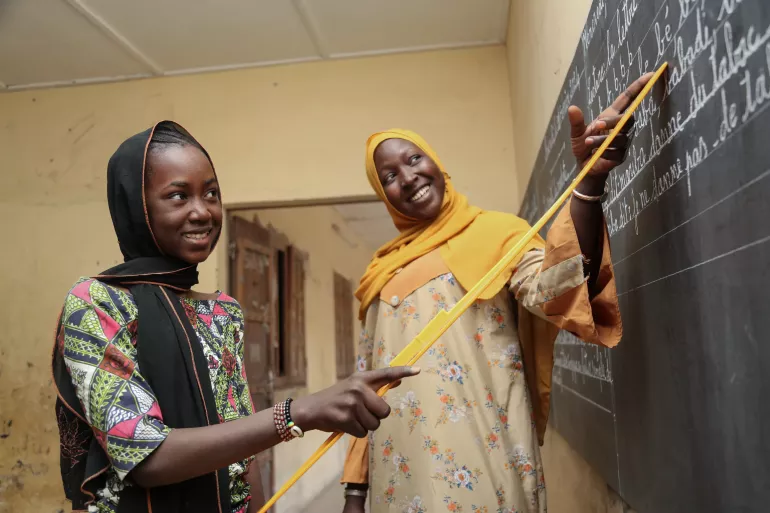
For example, Roma children, along with some 11 million boys and girls with disabilities, are among the most disadvantaged when it comes to access to quality education.
Preventable deaths
Although the region includes countries with the lowest number of infant and child deaths globally, under-five mortality rates in some nations are higher than the global average. More than half of these deaths are due to preventable and treatable diseases.
Europe and Central Asia also have some of the world’s highest rates of children separated from their families, or in care homes. Again, Roma children and those with disabilities are disproportionally represented in residential care. Read More…