Uncertainty Surrounds Iranian General Amid Israeli Strikes on Hezbollah
-
 Loading...
 - Hanae Sato
- 11 Oct 2024
- 68 Views
- 0 Like
- 0 Comment
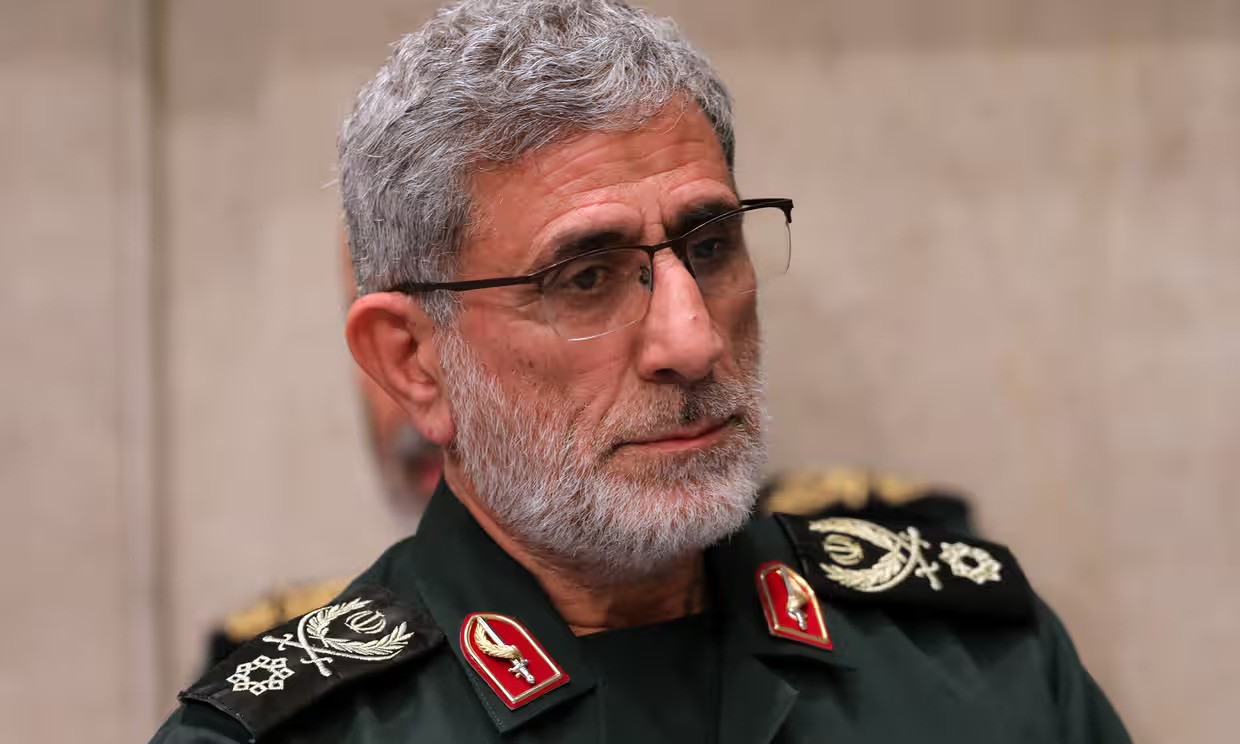
The whereabouts and health of Esmail Ghaani, the commander of Iran's Islamic Revolutionary Guards Corps (IRGC) al-Quds force, have become a subject of speculation following recent Israeli strikes on Hezbollah. Reports suggest that Ghaani is under investigation for potential security lapses that allowed Israel to effectively dismantle Hezbollah's command structure, a key component of Iran's "axis of resistance."
Ghaani was reportedly in Beirut during the assassination of Hezbollah leader Hassan Nasrallah. Despite Iranian authorities asserting that Ghaani is alive and even in line for an award for valor, conflicting reports have emerged. Middle East Eye, a Qatari-backed outlet, claims Ghaani is under house arrest and being scrutinized for the intelligence failures. Another Arabic source suggests he suffered a heart attack during questioning.
Israeli sources, however, express skepticism about Ghaani being under suspicion, describing him as a dedicated and loyal figure. Iraj Masjedi, deputy commander of al-Quds, confirmed that Ghaani is in good health and performing his duties.
The recent Israeli operations have reportedly decimated Hezbollah's leadership, marking a significant intelligence breakthrough. An Israeli source described the success as a culmination of a decade of intelligence efforts, severely impairing Hezbollah's ability to respond effectively.
Amidst these developments, Western diplomats speculate on Israel's potential responses to recent Iranian actions. Options include targeted strikes on Iranian military or economic infrastructure, with a strong advisory against attacking Iran's nuclear facilities. The U.S. and U.K. have indicated they would not support such an escalation.
Diplomats suggest that Israeli strikes could commence soon, with timing potentially influenced by the upcoming U.S. presidential election. Former President Donald Trump has urged Israel to target Iranian nuclear sites, while Gulf states lobby against attacks on oil facilities, fearing retaliatory strikes from Iran.
Iranian Foreign Minister Sayeed Abbas Araghchi has been engaging Gulf states, securing commitments to deny Israeli airspace access for any potential attacks on Iran. Araghchi emphasized Iran's desire to avoid a large-scale conflict, warning of the disastrous consequences of such a war.
Saudi analyst Ali Shihabi highlighted the gravity of the situation, noting Iran's stance that allowing Israeli airspace access would be considered an act of war.
The situation remains tense, with the potential for further escalation as regional and international actors navigate the complex geopolitical landscape. The uncertainty surrounding Ghaani's status underscores the broader challenges facing Iran's strategic position in the region.