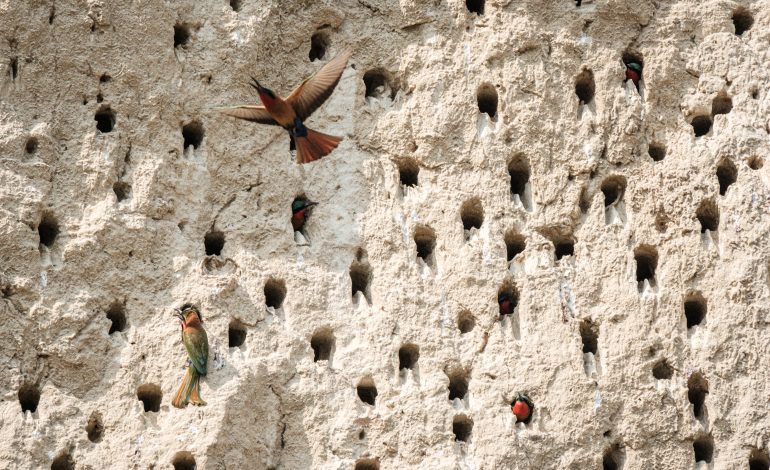
Uganda: Wildlife thrives as peace reigns
-
 Loading...
 - Martha Adongo
- 03 Apr 2023
- 72 Views
- 0 Like
- 0 Comment
The surging wildlife numbers in Uganda’s national parks and game reserves since peace returned to the country in 2000 is clear evidence that no living creature is safe from armed conflicts.
Uganda’s Tourism and Wildlife Minister Tom Butime says wildlife numbers have rebounded faster than expected. “The number of elephants has dramatically risen from 2,000 in 1983 to a whopping 8,000 today, while that of giraffes has surged six-fold from 350 to over 2,000. On the other hand the number of buffaloes has hit the 44,000 mark from 25,000.”
He says the number of other animals and birds has continued to rise. The rosy picture is, however, dented by challenges posed by poaching and the competition for land between the national parks and neighbouring communities.
A top wildlife conservationist and former Tourism and Wildlife Ministry spokesman Jossy Muhangi says the quick rebound in wildlife numbers has been facilitated by the ideal conditions. According to the UN, Uganda has an incredible variety of animal, bird and plant species, making it one of the most biodiverse countries in the world. The country has, for example, 53% of the world’s estimated 1,000 mountain gorillas in its Virunga and Bwindi Impenetrable Forest national parks in the west of the country. It is estimated that the country holds 40% of the different types of African mammal.
In addition, Uganda boasts 11% of the world’s bird species and 4,800 plant species – more than any country. Biodiversity is important in growing and sustaining life, says Tony Okwalinga, a Makerere University wildlife scholar. He says wildlife numbers in Uganda were able to rise fast because natural conditions in the country enable animal and plant life to flourish.
The rich biodiversity has made the country one of the world’s top tourist attractions. International media houses including CNN last year praised its unique biodiversity as a major attraction for tourists. Before the Covid-19 pandemic, the tourism sector earned 7.7% of Uganda’s GDP, worth $1.6bn in the 2018/19 financial year.
Root causes of wildlife attrition
The attrition of Uganda’s wildlife population in its 10 national parks and a dozen game reserves began in 1978 in the wake of a series of armed conflicts. In that year for example, the Tanzanian People’s Defence Force, backed by Ugandan exiles, invaded Uganda in reprisal for dictator Idi Amin’s invasion and annexation of northern Tanzania’s Kagera region. Amin had accused Tanzania of supporting Ugandan exiles who carried out across the border attacks on the country – most of them supporters of his predecessor Milton Obote, who he had toppled from power in 1971.
Amin was driven from power in 1979 but attempts to restore peace failed and in 1981, Yoweri Museveni’s National Resistance Army (NRA) rebellion started in the central region, eventually leading to his capturing power in 1986. Read More…