Turning micro algae into "green" plastic
-
 Loading...
 - Ivan Ivanov
- 14 Aug 2024
- 52 Views
- 0 Like
- 0 Comment
A new research project aims to turn micro algae into recycled plastic and to develop super algae to bind CO2.
In a groundbreaking project, chemistry professor Vidar R. Jensen is leading a multidisciplinary team of researchers to develop a revolutionary new approach to reducing carbon emissions and creating sustainable plastics. The project, known as microAlgae, aims to harness the power of micro algae to produce lipids that can be converted into a range of products, including plastics, fuels, and chemicals.
The idea for the project was born out of the Research Council of Norway's Idea Lab initiative, which brought together researchers from diverse backgrounds to develop innovative solutions to climate change. Jensen, an expert in nano modeling and theoretical chemistry, teamed up with experts in microalgae, genetics, and physics to develop a radical new approach to carbon capture and storage.
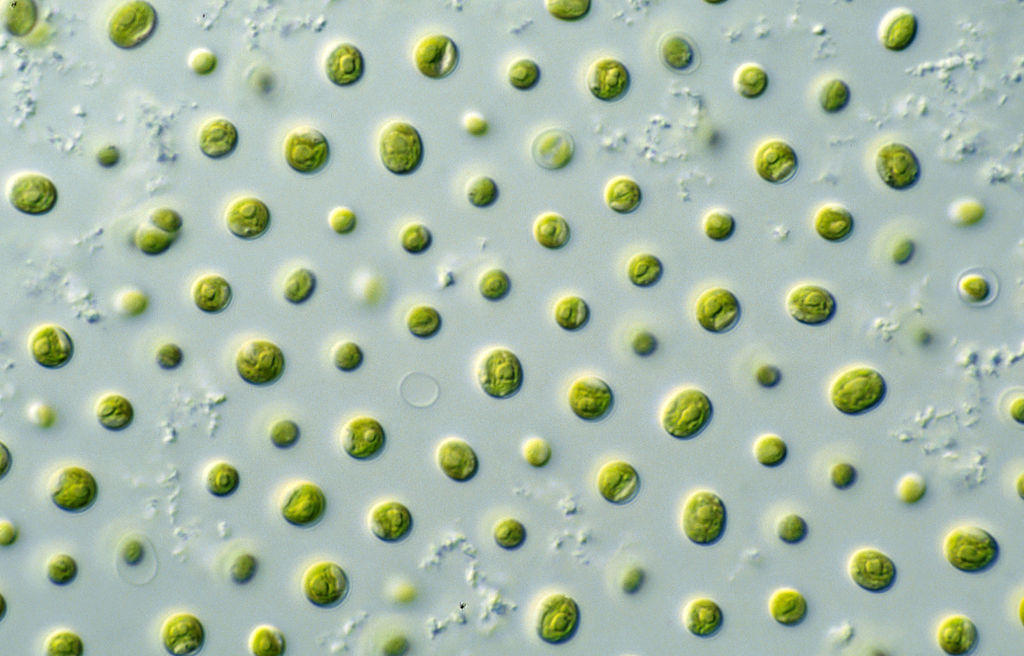
The microAlgae project involves two main components. The first is to identify algae species that produce high levels of lipids, which can be converted into valuable compounds such as alpha olefins. These compounds are the building blocks of plastics, fuels, and chemicals, and are currently derived from fossil fuels. By using micro algae as a renewable source of lipids, the project aims to reduce the carbon footprint of these industries.
The second component of the project is to develop algae species that are particularly effective at capturing CO2 from the atmosphere. These algae will be bred to grow rapidly and then sink to the ocean floor, where they will be stored for centuries, effectively removing CO2 from the atmosphere.
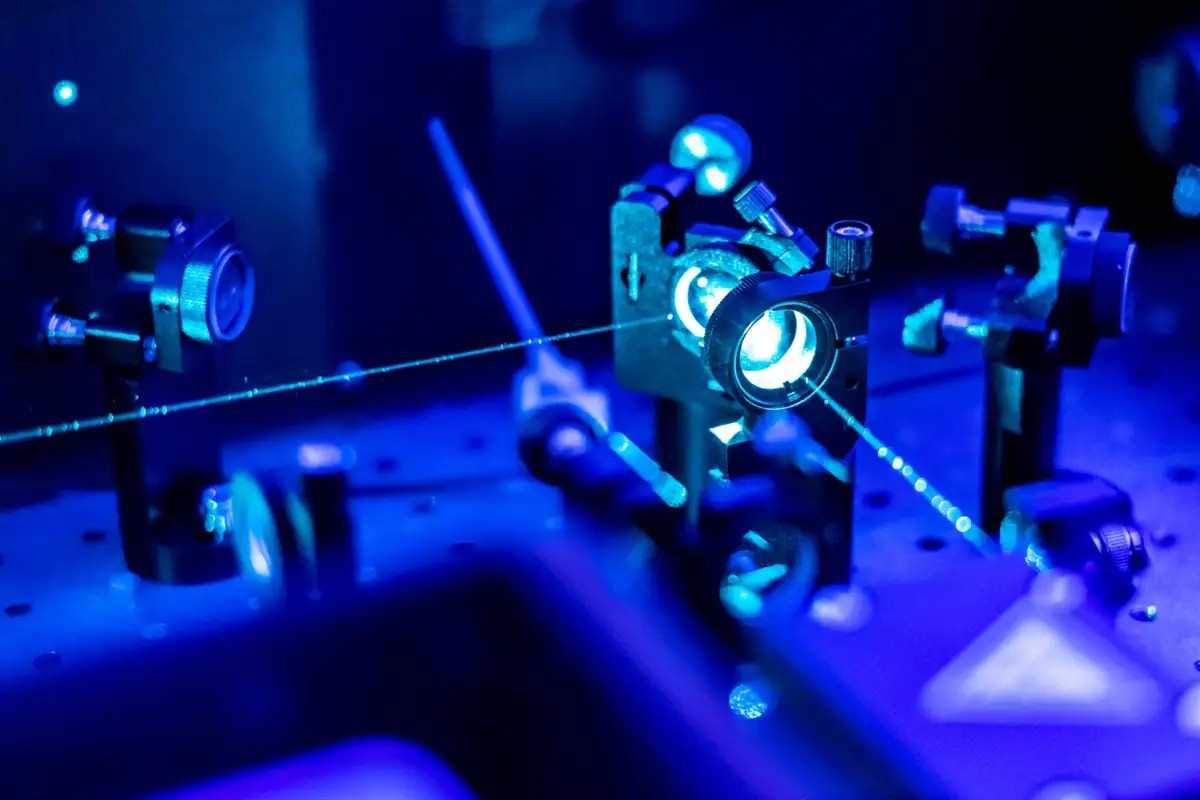
The project is highly interdisciplinary, involving researchers from fields such as physics, optics, material science, biotechnology, chemistry, information technology, and social sciences. The team is using advanced techniques such as visualization technology to develop catalysts that can convert lipids into alpha olefins, and is also exploring the ethical, legal, and social implications of large-scale algae cultivation.
The potential impact of the microAlgae project is enormous. If successful, it could provide a sustainable alternative to fossil fuels, reduce carbon emissions, and help to mitigate the effects of climate change. The project has already received significant funding from the Research Council of Norway and the Faculty of Mathematics and Natural Sciences at the University of Bergen.
However, the project is not without its challenges. Large-scale algae cultivation could have unintended consequences on the environment, and the team is working closely with stakeholders to ensure that the project is developed in a responsible and sustainable way.
As Jensen notes, "The cultivation of large quantities of algae will have a major impact on nature. We need to be careful and consider the potential consequences of our actions." Despite these challenges, the microAlgae project represents a bold new approach to tackling climate change, and has the potential to make a significant impact on the environment.