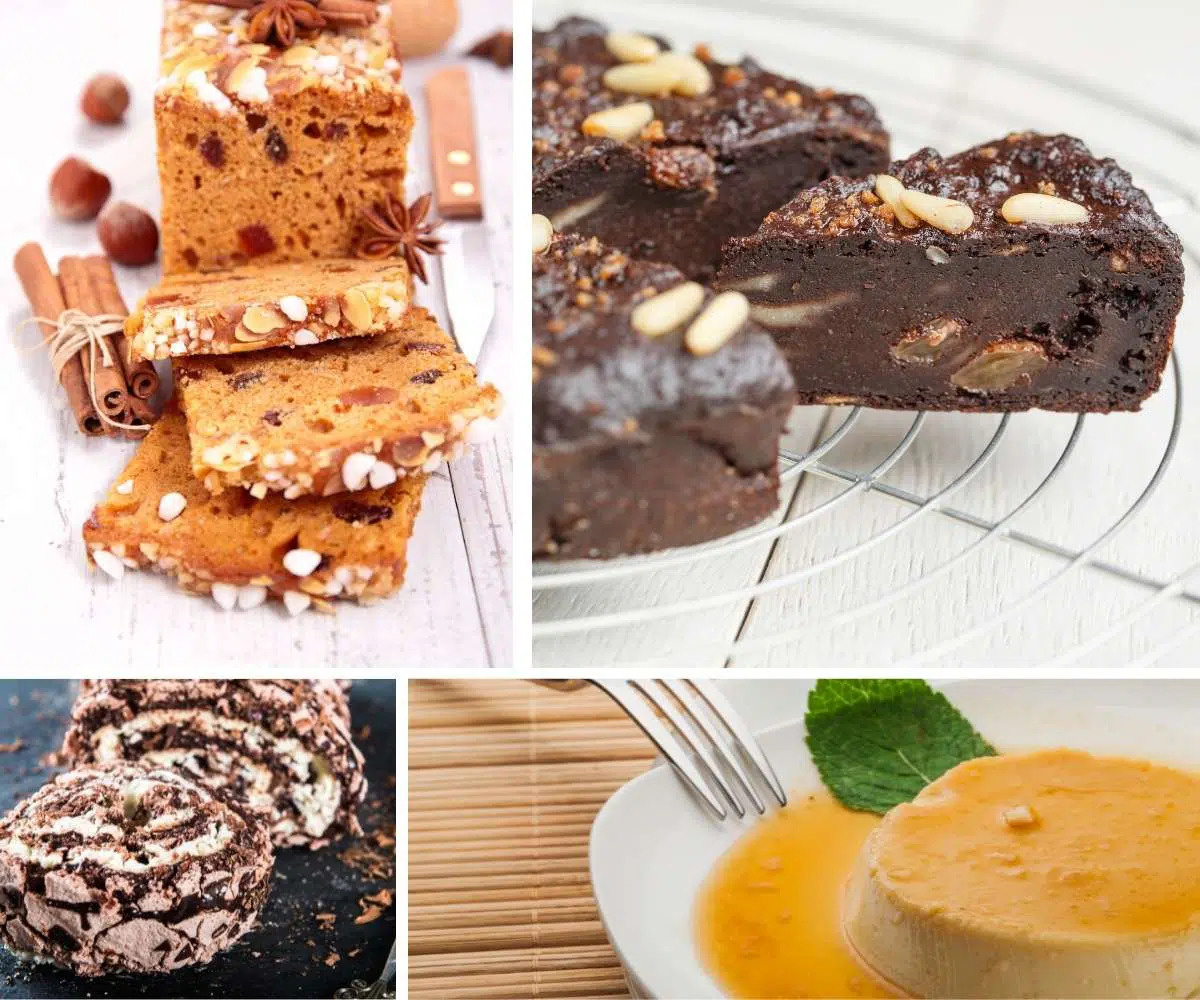
Top 15 Most Popular Swiss Desserts
-
 Loading...
 - gabriel phoebe
- 20 May 2022
- 282 Views
- 0 Like
- 0 Comment
As Switzerland never had royalty and very little in the way of nobility too, it was more of a peasant country than anything else, and many of these desserts come from peasant and religious traditions using simple but delicious ingredients.
While today, Switzerland is mainly known for its chocolate, this industry has been built relatively recently, so most of the traditional recipes do not contain chocolate. But there has always been an abundance of milk, eggs, and cream, fruits, nuts, and vegetables – and these have been turned into the most delicious Swiss desserts!
1. Caramelköpfli

For many Swiss, this typical dessert evokes fond childhood memories – it is the kind of dessert your grandma would have made when you came to visit!
Caramalklöpfli is a flan made with a rich, sweet custard topped with caramel sauce. It’s similar to the French custard dessert, crème brûlée, or the Spanish crema Catalan. It is a bit more dense and instead of a brittle caramel top, the caramel is soft.
It is one of those desserts that looks intimidating to make but is pretty simple. The key is to bake it in a water bath, which regulates the temperature and evenly distributes gentle heat around the flan, ensuring the eggs don’t curdle.
When serving, the final crowning glory is a generous blop of whipped cream – simply delicious!
2. Zuger Kirschtorte

One of the best-known Swiss desserts is the Zuger Kirschtorte, or cherry brandy tart. Everyone who stops in Switzerland should try the airy cake with the delicate cherry flavor.
Kirsch is the name of the typical brandy from this region, made from cherries. Invented in 1915, the cake was loved by Charlie Chaplin and Audrey Hepburn among many others.
Zuger Kirschtorte is a round cake, 4 to 4.5 centimeters high. It consists of a light sponge cake soaked in either cherry syrup or kirsch, cherry brandy, sandwiched between two brownish Japonais layers. Two thin layers of pink cherry cake cream, each between the sponge and the Japonais layers, prevent the cherry syrup from seeping out.
The top of the cake and the edge are also spread with cherry flavored cream. The surface is dusted with powdered sugar, and the edge is decorated with toasted almond slices. The diamond pattern embossed in the powdered snow is typical.
Initially, the cherry brandy was only used as a flavoring and not as an essential component. Over time, the proportion of kirsch increased continuously, and today it makes up a significant part of the cake.
3. Luzerner Lebkuchen

The round, flat Lucerne gingerbread with its typically cracked surface is a culinary specialty produced throughout the canton of Luzern.
Lucerne gingerbread occupies a special position among Swiss gingerbread with its unique production method. Instead of bee’s honey, pear honey is used for the dough. And in addition to the usual milk, cream is also mixed in. This makes the dough more nutritious, softer, and more porous than honey gingerbread.
The origins of today’s gingerbread lie in the medieval monasteries when honey pastries were enriched with spices. The availability of various oriental spices is rooted in the medieval spice trade, which reached Europe in the 11th century and in which many monasteries participated. Gingerbread production gradually spread from the monasteries to the cities in the late Middle Ages.
In Switzerland, the gingerbread trade emerged in the 15th century. Today’s variety of gingerbread gradually developed from the 17th century onwards. It was also then that the first gingerbread recipes appeared in cookery books.
4. Magenbrot

Magenbrot, or stomach bread, is a very traditional Swiss sweet and is considered a market treat. In autumn, when fairs and festivals open up in French- and German-speaking Switzerland, the typical pink bags filled with Magenbrot are impossible to miss.
Magenbrot is a sweet gingerbread biscuit cut into small square pieces and covered with a thick, deep brown sugar glaze. The color of the icing comes from cocoa or chocolate powder.
What distinguishes the Magenbrot from other gingerbread biscuits is the unique sugar glaze. The glaze is the most important part of dish; the honey flavor, which is central to Biber or Basler Läckerli, plays a subordinate role.
Magenbrot owes its name to the spices and the sugar it contains, and the healing, digestive, and stimulant properties these ingredients were thought to have on an upset stomach. Even in the fifth Idiotikon volume, published in 1905, the Magebrot is presented as an “easily digestible pastry made from sugar dough”. Read More…