Tips to keep in mind while hiking in extreme conditions
-
 Loading...
 - Cumbe abubakar
- 31 Mar 2023
- 61 Views
- 0 Like
- 0 Comment
Check the weather and trail conditions in advance:
Being aware of the weather is one of the most essential winter hiking tips because it can affect the trail by covering it with new snow, which can be quite confusing while you are hiking. Knowing the weather conditions also makes it easier to avoid hiking when there are strong winds, chances of heavy snowfall, or poor visibility. It is therefore advisable to be aware of the anticipated temperatures and wind speed ahead.
Maintain hydration:
When trekking in the cold, always make sure you have an insulated bottle and a bottle sleeve with you. If you do this while hiking in bitterly cold weather, the water won't freeze. If you forget to bring an insulated bottle on your trek or don't have one, you can also use a spare sock or wrap the water bottle in a towel to keep it warm and insulated.
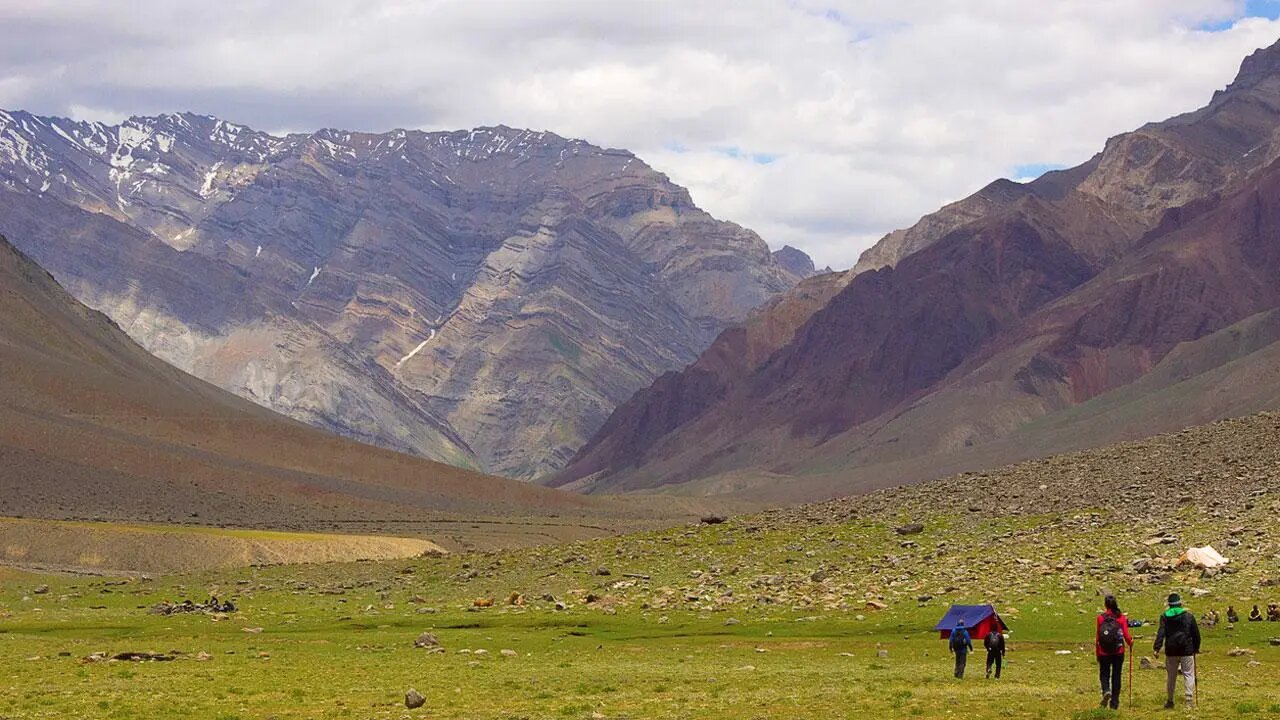
Carry proper hiking equipment:If your upcoming trip includes hiking paths, you must pack the appropriate winter hiking equipment. When hiking, wearing the appropriate shoes, bag, jacket, and even jeans can make a big impact. The most important thing to remember when trekking in the snow is to keep yourself warm. You can begin by donning a base layer, followed by a fleece jacket that serves as your intermediate layer, and finally a jacket or down jacket that will aid in insulation and safeguard your body from the cold. Softshell trousers are typically advised when trekking in the winter because they are great at maintaining body heat at all times and shielding you from severe winds and snow.
Pack extra equipment:
A fire starter, first aid kit, pocket knife, emergency blanket, waterproof matches, and a waterproof backpack are a few other items you can bring with you on your trek. Bringing an extra kit on your hike will always come in handy and be beneficial for surviving in adverse weather. When you are trekking in snow, all of these things will make a huge impact. Since trekking in snow can be slick and slushy when the snow is melting, they also give you protection and a better grip on the snow. Read More…