Home Upload Photo Upload Videos Write a Blog Analytics Messaging Streaming Create Adverts Creators Program
Bebuzee Afghanistan Bebuzee Albania Bebuzee Algeria Bebuzee Andorra Bebuzee Angola Bebuzee Antigua and Barbuda Bebuzee Argentina Bebuzee Armenia Bebuzee Australia Bebuzee Austria Bebuzee Azerbaijan Bebuzee Bahamas Bebuzee Bahrain Bebuzee Bangladesh Bebuzee Barbados Bebuzee Belarus Bebuzee Belgium Bebuzee Belize Bebuzee Benin Bebuzee Bhutan Bebuzee Bolivia Bebuzee Bosnia and Herzegovina Bebuzee Botswana Bebuzee Brazil Bebuzee Brunei Bebuzee Bulgaria Bebuzee Burkina Faso Bebuzee Burundi Bebuzee Cabo Verde Bebuzee Cambodia Bebuzee Cameroon Bebuzee Canada Bebuzee Central African Republic Bebuzee Chad Bebuzee Chile Bebuzee China Bebuzee Colombia Bebuzee Comoros Bebuzee Costa Rica Bebuzee Côte d'Ivoire Bebuzee Croatia Bebuzee Cuba Bebuzee Cyprus Bebuzee Czech Republic Bebuzee Democratic Republic of the Congo Bebuzee Denmark Bebuzee Djibouti Bebuzee Dominica Bebuzee Dominican Republic Bebuzee Ecuador Bebuzee Egypt Bebuzee El Salvador Bebuzee Equatorial Guinea Bebuzee Eritrea Bebuzee Estonia Bebuzee Eswatini Bebuzee Ethiopia Bebuzee Fiji Bebuzee Finland Bebuzee France Bebuzee Gabon Bebuzee Gambia Bebuzee Georgia Bebuzee Germany Bebuzee Ghana Bebuzee Greece Bebuzee Grenada Bebuzee Guatemala Bebuzee Guinea Bebuzee Guinea-Bissau Bebuzee Guyana Bebuzee Haiti Bebuzee Honduras Bebuzee Hong Kong Bebuzee Hungary Bebuzee Iceland Bebuzee India Bebuzee Indonesia Bebuzee Iran Bebuzee Iraq Bebuzee Ireland Bebuzee Israel Bebuzee Italy Bebuzee Jamaica Bebuzee Japan Bebuzee Jordan Bebuzee Kazakhstan Bebuzee Kenya Bebuzee Kiribati Bebuzee Kuwait Bebuzee Kyrgyzstan Bebuzee Laos Bebuzee Latvia Bebuzee Lebanon Bebuzee Lesotho Bebuzee Liberia Bebuzee Libya Bebuzee Liechtenstein Bebuzee Lithuania Bebuzee Luxembourg Bebuzee Madagascar Bebuzee Malawi Bebuzee Malaysia Bebuzee Maldives Bebuzee Mali Bebuzee Malta Bebuzee Marshall Islands Bebuzee Mauritania Bebuzee Mauritius Bebuzee Mexico Bebuzee Micronesia Bebuzee Moldova Bebuzee Monaco Bebuzee Mongolia Bebuzee Montenegro Bebuzee Morocco Bebuzee Mozambique Bebuzee Myanmar Bebuzee Namibia Bebuzee Nauru Bebuzee Nepal Bebuzee Netherlands Bebuzee New Zealand Bebuzee Nicaragua Bebuzee Niger Bebuzee Nigeria Bebuzee North Korea Bebuzee North Macedonia Bebuzee Norway Bebuzee Oman Bebuzee Pakistan Bebuzee Palau Bebuzee Panama Bebuzee Papua New Guinea Bebuzee Paraguay Bebuzee Peru Bebuzee Philippines Bebuzee Poland Bebuzee Portugal Bebuzee Qatar Bebuzee Republic of the Congo Bebuzee Romania Bebuzee Russia Bebuzee Rwanda Bebuzee Saint Kitts and Nevis Bebuzee Saint Lucia Bebuzee Saint Vincent and the Grenadines Bebuzee Samoa Bebuzee San Marino Bebuzee São Tomé and Príncipe Bebuzee Saudi Arabia Bebuzee Senegal Bebuzee Serbia Bebuzee Seychelles Bebuzee Sierra Leone Bebuzee Singapore Bebuzee Slovakia Bebuzee Slovenia Bebuzee Solomon Islands Bebuzee Somalia Bebuzee South Africa Bebuzee South Korea Bebuzee South Sudan Bebuzee Spain Bebuzee Sri Lanka Bebuzee Sudan Bebuzee Suriname Bebuzee Sweden Bebuzee Switzerland Bebuzee Syria Bebuzee Taiwan Bebuzee Tajikistan Bebuzee Tanzania Bebuzee Thailand Bebuzee Timor-Leste Bebuzee Togo Bebuzee Tonga Bebuzee Trinidad and Tobago Bebuzee Tunisia Bebuzee Turkey Bebuzee Turkmenistan Bebuzee Tuvalu Bebuzee Uganda Bebuzee Ukraine Bebuzee United Arab Emirates Bebuzee United Kingdom Bebuzee Uruguay Bebuzee Uzbekistan Bebuzee Vanuatu Bebuzee Venezuela Bebuzee Vietnam Bebuzee World Wide Bebuzee Yemen Bebuzee Zambia Bebuzee Zimbabwe
Blog Image

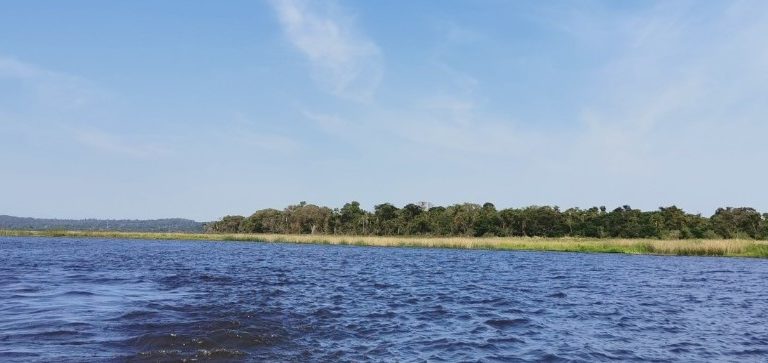
Threatened wetlands in Paraguay's Lake Ypacaraà­ raise legal questions

Urban development projects surrounding a protected lake in Paraguay are threatening the recovery of local ecosystems and raising questions about the government’s ability to circumvent conservation mandates.

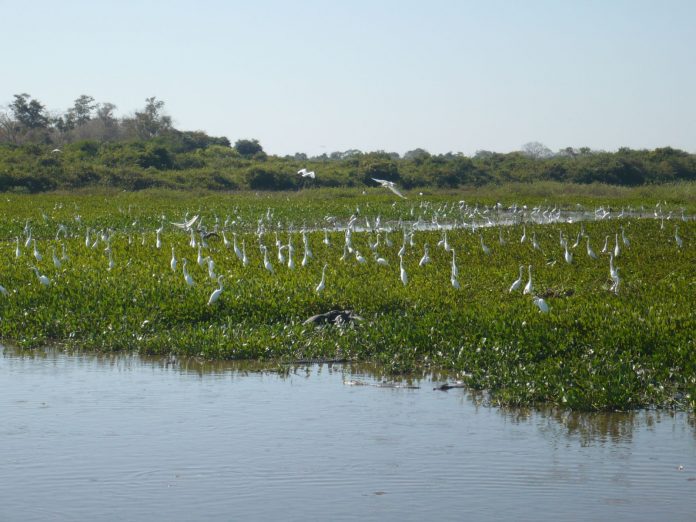
Wetlands around Lake Ypacaraí are being filled in to allow for the construction of housing and tourism projects despite a series of environmental recovery measures that prohibit development in the area.

“These activities are totally altering the natural makeup of the lake,” Monica Centrón, of Alter Vida, a socio-environmental development organization in Paraguay, told Mongabay. “The area they’re working in has so much flora and fauna. We’re losing all of that. We’re losing water quality and space for biodiversity.”

Work on the new construction projects could endanger the as many as 79 species of fish that live in the lake, as well as the many mammals that the lake supports, including the Maned wolf (Chrysocyon brachyurus), giant anteater (Myrmecophaga tridactyla) and Neotropical otter (Lontra longicaudis).

Wetlands surrounding the lake also act as a filter for freshwater and help control flooding and erosion.

The impact of the development could be felt throughout the region’s watersheds, as Lake Ypacaraí’s tributaries span about 1,113 square kilometers (429 square miles), ultimately flowing into the Paraguay River, one of the largest in South America.

“The people need to know about this situation,” Centrón said. “We have to be conscious of this and try to stop it because, if not, it will open a door to future real estate projects.”

Legal uncertainty for protected areas

The lake’s proximity to the capital of Asunción — just 16 kilometers (10 miles) east — has historically made it a tourist destination, putting it at risk of increasing development as the city grows. For decades, the area has also suffered from algae blooms and high rates of fecal coliforms — indicators of contamination with human and animal waste.

In 2014, the area was declared a “Managed Resources Reserve” in the hopes of allowing dwindling biodiversity rates and water quality to recover. According to the area’s management plan, no land use change is permitted for 10 years or “until the waterbody is recovered.” That means the area should be free of development until 2024.

Nevertheless, complaints about new construction work started coming into the National Commission for the Administration and Management of Lake Ypacaraí and its Basin (Conalaypa) as early as last December, with photos and videos showing dump trucks preparing to fill in wetlands for a condominium project. Conalaypa referred the issue to the Ministry of Environment.

Technically, for now, that activity does have some legal backing. An environmental impact report was approved by the Ministry of Environment and Sustainable Development. The ministry didn’t respond to a request for comment for this article.

Part of the confusion is that land titles belonging to property owners around the lake were issued before the protected area was declared, with some titles extending into the water, theoretically allowing for private development.

However, at the same time, the protected area law says development is only allowed if the projects existed before 2014. That isn’t the case for the filling works that started last year, leading critics to believe that officials are cherry-picking which laws to abide by when trying to push through economic projects.

There is also debate about what qualifies as “leveling” versus “filling” an area, which may have allowed for more legal flexibility in moving forward with the project.

“The Ministry of Environment is ‘grabbing’ a restricted use zone to allow for the filling of the wetlands,” said Raquel Rodríguez, a biologist and local defender of the lake. “They allege that it doesn’t have strict protections.” Read More…

Previous Post

Hijab ban: Karnataka high court upholds government order on headscarves

Next Post

Australia climate change: Court overturns teenagers' case against minister

Comments