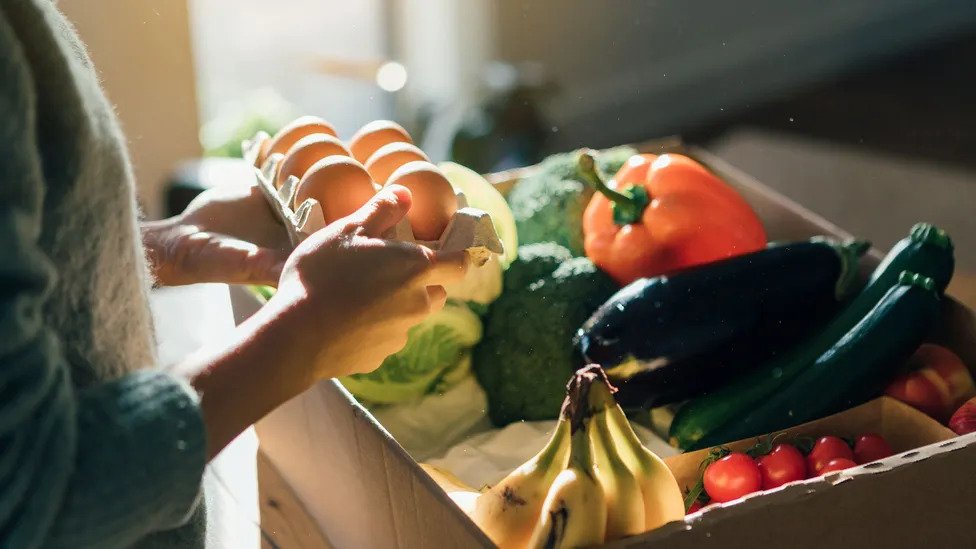
These foods are full of iron
-
 Loading...
 - Remi Cartier
- 24 Apr 2023
- 79 Views
- 0 Like
- 0 Comment
One of the most important trace elements for your body is iron, which your body cannot produce, so you must ensure that you consume enough of it. You can easily achieve all of this with a balanced diet, but it may also happen that targeted supplementation is needed.
With a balanced diet, there is a good chance that the body’s daily iron needs can be covered. However, it may happen that a targeted replacement is needed
Iron deficiency
Since iron is an essential component for the formation of red blood cells, our body immediately signals its deficiency. Symptoms of iron deficiency include fatigue, dizziness, headache, loss of appetite, learning difficulties, feeling cold, paleness or, for example, irregular heartbeat.
At certain stages of our lives, our body needs a larger amount of iron, for example: during childhood, during active sports, during menstruation, pregnancy and breastfeeding, and during the period after surgery. In most cases, iron deficiency is caused by bad, one-sided eating habits. Meat-free diets can increase the risk of this, so it is important that in this case we pay sufficient attention to the consumption of other foods with a high iron content, as well as to ensure that the amounts of vitamin C and folic acid, which help absorption, are sufficient.
Cereals and pseudo-cereals
Cereals also contain iron: while 100 grams of wheat flour contains 1.7 milligrams of iron, the deservedly increasingly popular amaranth contains ten times that amount. The pseudo-cereal, also known as the “gold of the Incas”, is becoming increasingly well-known in our country. It is a popular gluten-free ingredient, as it can be used in many ways due to its neutral taste. Amaranth is mainly sold whole and in the form of flakes and flour, then it can be eaten as a side dish, as a porridge, as an ingredient in pastries, mixed into creams, yogurts, meat pies and muesli. Read More…