These eco-adventures are the best way to experience the Philippines

With its numerous megadiverse ecosystems ranging from active volcanos and subterranean rivers to coral atolls and white sand shores, there’s no better place to get outdoors than in the Philippines. As the country embraces a more eco-friendly future, now’s the perfect time to plan adventures that’ll let you discover this amazing archipelago and leave nothing behind but your footprints.
Get wet
Snorkle Apo Reef
The largest atoll-type reef in the Philippines and the second largest contiguous reef in the world (behind Australia’s Great Barrier Reef), Apo Reef Natural Park is a beacon for divers and snorkelers. The park comprises three islands (Apo is the largest and boasts a campsite for overnighters) and just under 17 square miles of crystal clear waters teeming with wildlife. Critters and creatures you can spot here include 400 coral species and 400-500 marine species, such as sharks, rays, and tuna. The elusive giant whale shark is also known to occasionally cruise by. If you choose to stay overnight, make sure to look to the heavens – the Milky Way will take your breath away.
Paddle through Hundred Islands
The Philippines has more than 7000 islands, so exploring Hundred Island National Park offers excellent bang for your buck! There are actually 123 islands popping up out of the azure waters. Some are just big rocks, with many having a top-heavy mushroom-esque shape thanks to the centuries of tides lapping away at the bases of these limestone islands. The best way to see these majestic rocks is by hiring a kayak and taking to the seas. Make sure to bring food and water with you as only a few islands are inhabited.

Discover an underground river
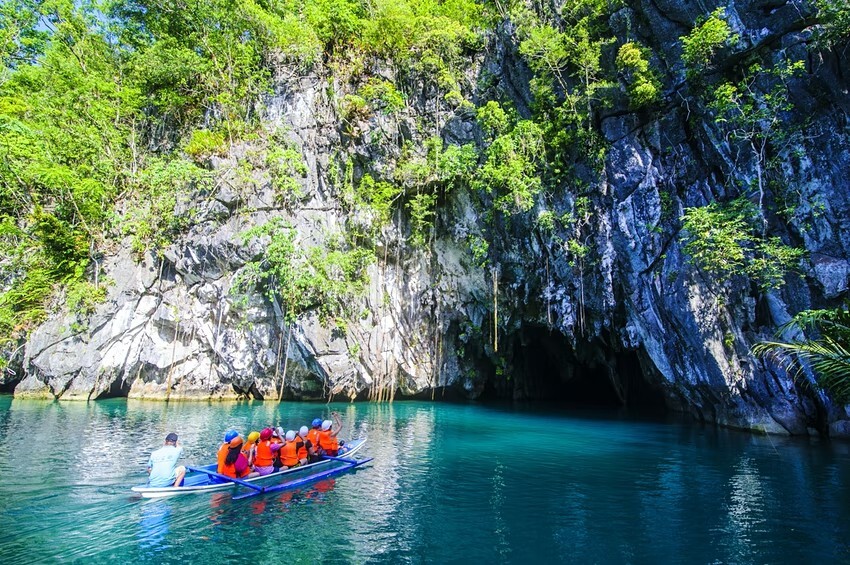
Flowing directly beneath the Saint Paul Mountain Range, Sabang’s famous five-mile subterranean river (protected as Puerto Princesa Subterranean River National Park) is a drawcard for local and foreign visitors alike. Don your safety helmet, clip up your life vest, and hop aboard the small paddle boats for an epic journey inside one of the world’s longest navigable river-traversed caves. An audio guide will fill you in on the area’s history, as your real-life guide shines a high-strength flashlight through the inky blackness to spotlight fantastic stalactite and stalagmite formations. Keep your eyes peeled for bats and other flying critters above. Don’t forget to look below you, either, as the waters are teeming with underwater life.
Stretch your legs
Meander through mangroves
Bakhawan EcoPark is a 543-acre forest resulting from a successful mangrove reforestation project that began in the late 1980s with just 123 acres. Bakhawan translates to “mangrove” in the local dialect (Aklanon), and you’ll see plenty of them here. The EcoPark contains over 20 distinct species of mangrove, as well as an abundance of birds and marine life. Visitors can meander the short bamboo boardwalk that weaves through the forest to a lagoon, where you can view the Kailbo river meeting the Sibuyan Sea. Daredevil foodies can try tamilok, a worm-like creature (that’s actually a shell-less saltwater clam) that feasts on rotting mangrove wood. Guides, for a fee, will happily catch some of these withering creatures for you to eat and prepare them with vinegar …if you dare.

Wildlife spotting
In the heart of Mindoro island lies the mountainous Mt Iglit-Baco National Park, home to approximately 500 critically endangered tamaraws. These wild dwarf buffalos were once prolific in Mindoro. However, due to hunting, logging, and human habitation, the species is only found on a few remote grassy plains. Your best chance of spotting one of these shy beasts is during sunset or sunrise (don’t forget your binoculars). Although you can make it up and back in one day, it’s better to camp overnight on the mountain to increase your chances of spotting one. Tours can be organized via the Sablayan Tourism Office. Also, keep your eyes peeled for Philippine deer, wild pigs, and other endemic species such as the Mindoro imperial pigeon and scops-owl.
The tiny, Yoda-like Philippine tarsier is another fascinating critter that calls this archipelago home. The size of an adult hand, these leaping primates are characterized by their huge, fixed, saucer-like eyes and their ability to rotate their heads nearly 360-degrees. Sadly on the endangered list, these super shy, nocturnal critters are best visited at conservation sanctuaries on Bohol island. Read More…