These Are the Hardest Places in the U.S. to Get Homeowners Insurance
-
 Loading...
 - Regina Aguirre
- 27 Jan 2025
- 47 Views
- 0 Like
- 0 Comment
The challenge of obtaining homeowners insurance is becoming increasingly severe across the United States, leading to a potential financial crisis for many homeowners. Homeowners insurance is not just a safety net in times of disaster; it is a prerequisite for securing a mortgage, making it essential for most people looking to buy a home. When insurance carriers cancel coverage, homeowners face a dire situation where property values can plummet, leading to broader community decline. A recent Senate budget committee staff report has raised alarms about the sharp increase in non-renewals by insurance carriers over the past several years, affecting areas beyond the expected coastal and wildfire-prone regions.
Here are the hardest places in the U.S. to secure homeowners insurance right now:
1. Florida
Florida tops the list, with a staggering 280% increase in non-renewals from 2018 to 2023. The state’s vulnerability to hurricanes has led to a significant exodus of insurance companies, prompting congressional investigations. Concerns include projected premium increases of 40% or more in 2023 and the potential disruption of the real estate market.
2. Louisiana
Following closely behind Florida, Louisiana has seen a 267% increase in non-renewals during the same period. Investigations have revealed that nearly 20 insurance companies have exited the state’s market in the past two years, exacerbating the crisis.
3. North Carolina
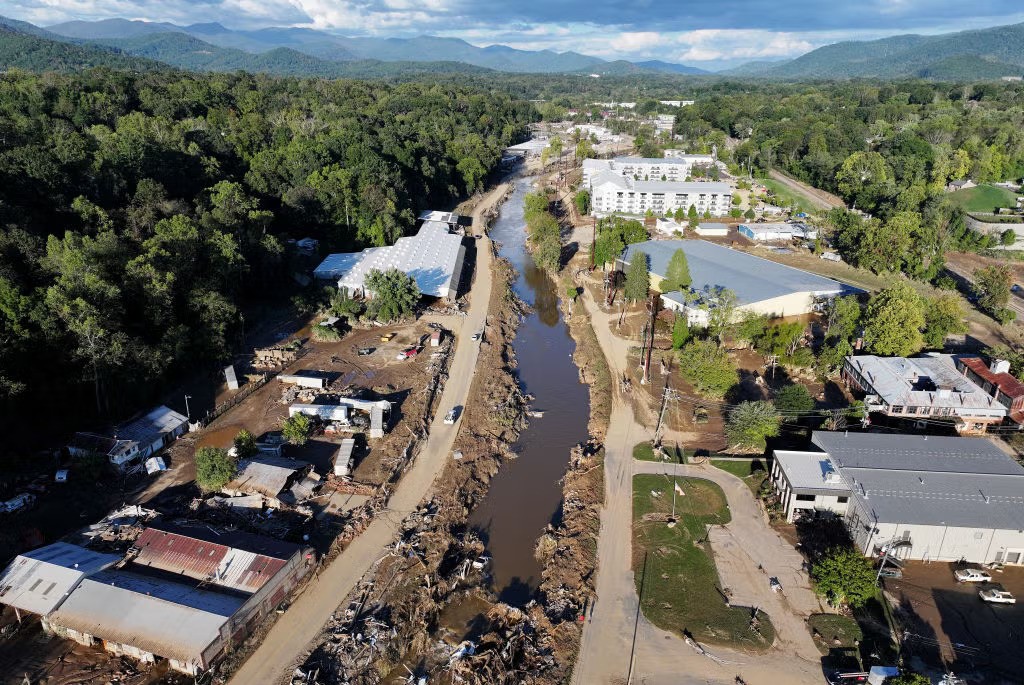
Despite its long coastline, North Carolina's inland counties are also facing high non-renewal rates. In 2023, 13 inland counties ranked among the top 100 nationwide for non-renewals, demonstrating that hurricanes can have far-reaching impacts beyond coastal areas. The report anticipates further increases in non-renewals following Hurricane Helene.
4. California
In California, non-renewals are most prevalent in inland counties with high wildfire risks. The devastating wildfires of early 2025 have highlighted the growing threat to areas previously considered safe, leading to increased insurance challenges.
5. Massachusetts
While coastal counties in Massachusetts have higher non-renewal rates, the report did not indicate any unusual findings, suggesting that the trends align with expectations based on the state's geography.
6. Mississippi
Mississippi, sharing a Gulf Coast location with Louisiana, faces similar risks from hurricanes. The 2023 data reflects the impact of Hurricane Ian, which caused significant flooding and damage in both states.
7. Oklahoma
Oklahoma's inclusion on this list is surprising, as it is not typically viewed as a high-risk state for insurance collapse. However, it ranked 7th in non-renewal rates in 2023, primarily due to tornado risks and increasing instances of convective storms, wind, and hail damage.
8. Rhode Island
Rhode Island, with its 400 miles of coastline, has seen a rapid increase in insurance unavailability, particularly in coastal areas like Newport County.
9. Connecticut
Neighboring Rhode Island, Connecticut has over 600 miles of coastline and ranks just below Rhode Island in non-renewals, reflecting similar coastal risks.
10. Hawaii
Hawaii is known for its high cost of living, and homeowners insurance is no exception. Many residents are now struggling to find affordable coverage, adding to the financial burden.
11. New Mexico
Despite being landlocked, New Mexico is experiencing rising non-renewals due to increasing wildfire risks. This trend mirrors that of other inland states like North Carolina and Oklahoma, which have also seen unprecedented wildfire damage.
The rising difficulty in obtaining homeowners insurance across these states highlights a growing crisis that could have far-reaching implications for homeowners and communities alike. As insurance companies reevaluate their risk exposure, many residents may find themselves without coverage, leading to decreased property values and economic instability. Addressing these challenges will require coordinated efforts from policymakers, insurance providers, and communities to ensure that homeowners can secure the necessary protection for their properties.