The Ultimate Guide to Understanding the Procure-to-Pay (P2P) Cycle
-
 Loading...
 - InvoiceTemple
- 24 Dec 2025
- 13 Views
- 0 Like
- 0 Comment
Procure-to-pay is the process that interlinks the purchasing department of a business and the accounts payable department of the business.
This is a digital era with increasing business fields. In this business, 2 P’s play a major role. They are Payment and Procurement. Both these factors are crucial for smooth business operations. The procurement-to-payment cycle followed here covers the entire process from purchasing products to making payment to the vendor.
If this P2P process is done in a streamlined way, then an uninterrupted business process can be handled. However, if it is poorly managed, risks and challenges often arise in every phase. To know more about the procure-to-pay process, you can read this blog fully, as it covers all the details about it.
To start with, first let’s know what procurement is.
Procurement: A Brief Definition
Procurement is the process of identifying and purchasing goods or works from external sources through an auction process or a competing offer. With a strategic procurement process, the business's needs can be met perfectly.
Procure-to-Pay Process: A Brief Definition
Procure-to-pay is the process that links the purchasing department and the accounts payable department of the business. This creates direct effects on the financial projections of the business. This is a process that must be managed properly for better business functioning.
Let’s see the crucial elements to be considered in a procurement process.
1. The initial process to be considered is identifying the needs. Which products and services should be purchased, in what quantity they should be purchased, and when you need them, etc., are questions that must be answered while identifying the needs.
2. After identifying all these, find a supplier or a vendor who can meet your needs. Before selecting a supplier, you should collect a list of potential suppliers, then look at their performance, and then select the correct supplier among them.
3. After selecting the supplier, make a contract with them, negotiate payments, set clear terms and conditions, and sign the contract.
4. Once the supplier starts sending the goods, don’t stop there. Continuously monitor their performance to minimize any risks.
End-to-End Procure-to-Pay Process
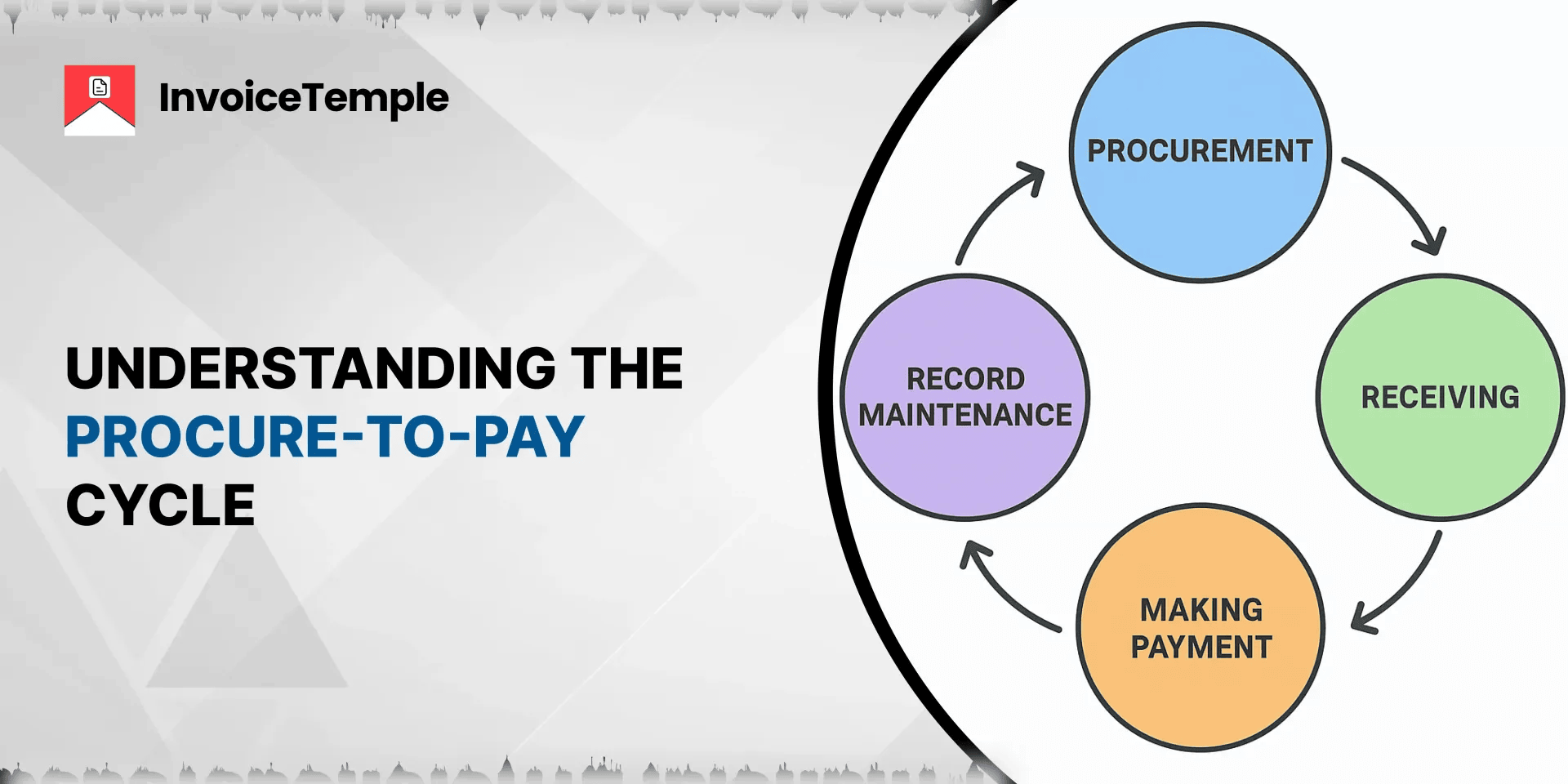
Following the steps in this procure-to-pay process accurately makes the whole cycle smooth. The steps followed are mentioned below.
Step 1: Procurement Process
The initial step of the P2P cycle is the procurement process. The business owner must purchase the required materials, like raw materials, finished goods, etc., from the supplier.
Step 2: Receiving Process
The next step is receiving the goods or services ordered. Once the ordered things are received, they should be checked properly to determine whether the correct number and correct items which are ordered are sent by the supplier. If there are any issues or mismatches in the received goods, then inform the supplier immediately to avoid confusion and conflicts.
Step 3: Making Payment
After checking for any mismatches, the next process to be done is reviewing the invoices forwarded by the supplier. This is done by the accounts payable team of the business. They must do the invoice matching process and then initiate the payment for the invoice. The accounts payable team can make use of the online accounting software for performing accurate and free calculations.
Step 4: Record Maintenance
The last step in the P2P cycle is maintaining the records regarding this cycle. It may be estimates, purchase orders, invoices, receipts, etc. Maintaining all these records helps the business for analyzing the business performance, and it safeguards the business if any legal issues occur.
The P2P handles the whole business operations, so doing it properly is crucial for business development. So, implement it properly in your business and experience a smooth business operation.