The three best lighting techniques for portraits
-
 Loading...
 - Maria Laine
- 14 Feb 2023
- 71 Views
- 0 Like
- 0 Comment
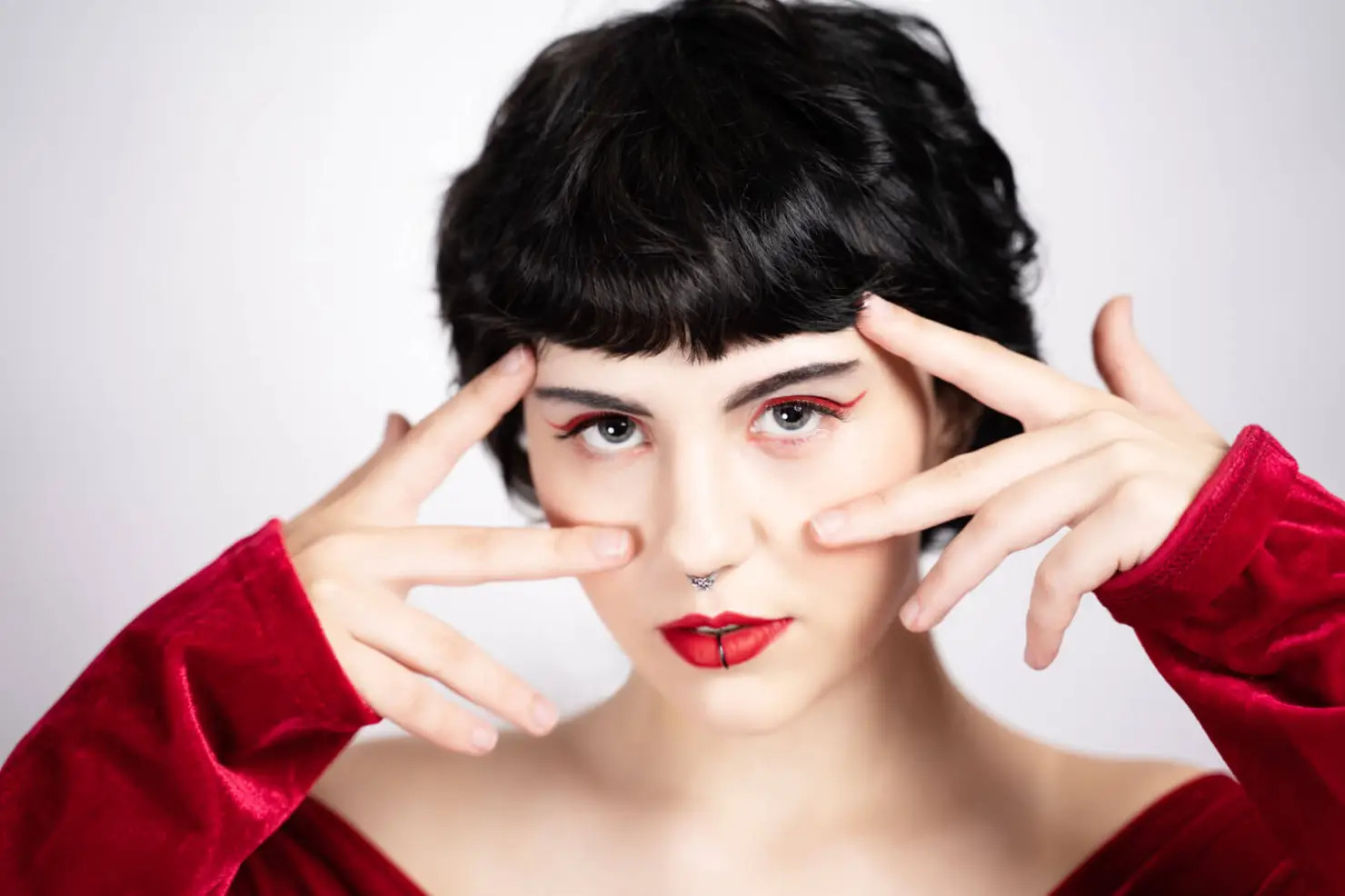
I truly believe that these lighting techniques are important in portrait photography. They help to create different moods and emphasize different facial features. They allow the photographer to control the direction and quality of light falling on the subject. As such, they allow you to shape your subject’s appearance and create a desired visual impact. I personally use all three and even a combination of them in most of my studio portraits.
By getting a handle on these lighting techniques, photographers can step up their portrait game and express the mood or feeling they want through the lighting. Mastering these three techniques will greatly benefit even beginners in creating an impressive portfolio.
Rembrandt Lighting
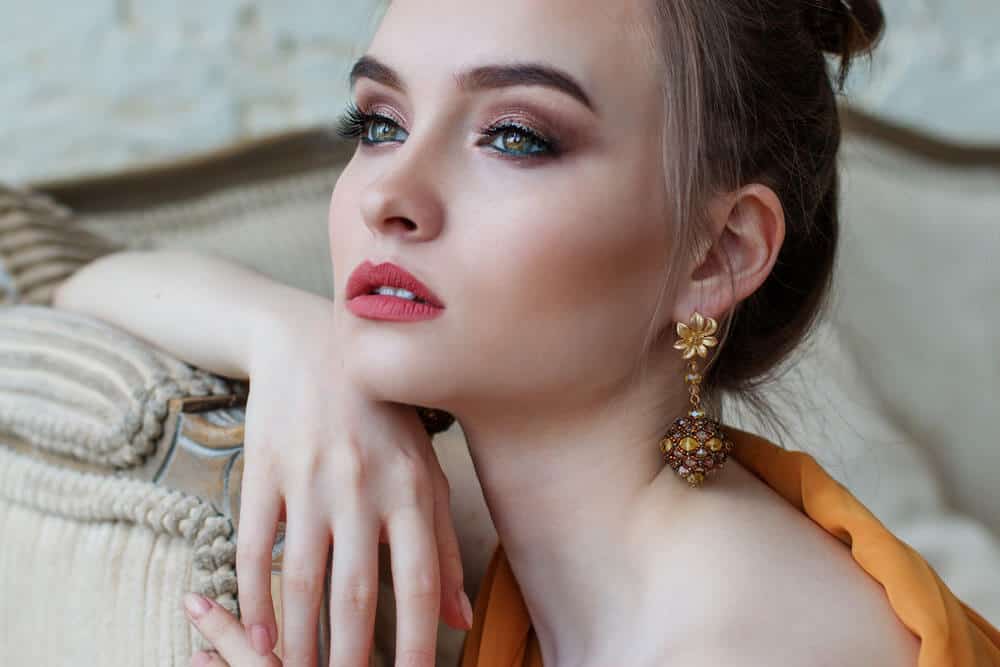
Rembrandt lighting creates a dramatic and emotional effect by adding shadows to the subject’s face, often creating a triangle of light under the eye.

Rembrandt lighting is created by placing the main light source on one side of the subject. This creates a triangle of light under one eye and shadows on the other side of the face. Here’s how to create Rembrandt lighting:
- Set up your subject facing the camera and place the main light source to the side of the subject, about 45 degrees off center.
- Ensure that the light source is high enough so that the light falls on the face at a slight downward angle.
- Position the light so that it casts a shadow on the opposite cheek.
- Use a reflector or fill light to softly fill in any shadows on the opposite side of the face.
- Adjust the intensity and position of the lights as needed to achieve the desired effect.
It’s important to note that Rembrandt lighting can be adjusted to suit the subject and the mood desired. The triangle of light is made smaller or larger depending on the desired effect. Read More…