The story of a unique Vietnamese 'mother' in Japan
-
 Loading...
 - bakti Yanti
- 04 Jul 2022
- 144 Views
- 0 Like
- 0 Comment
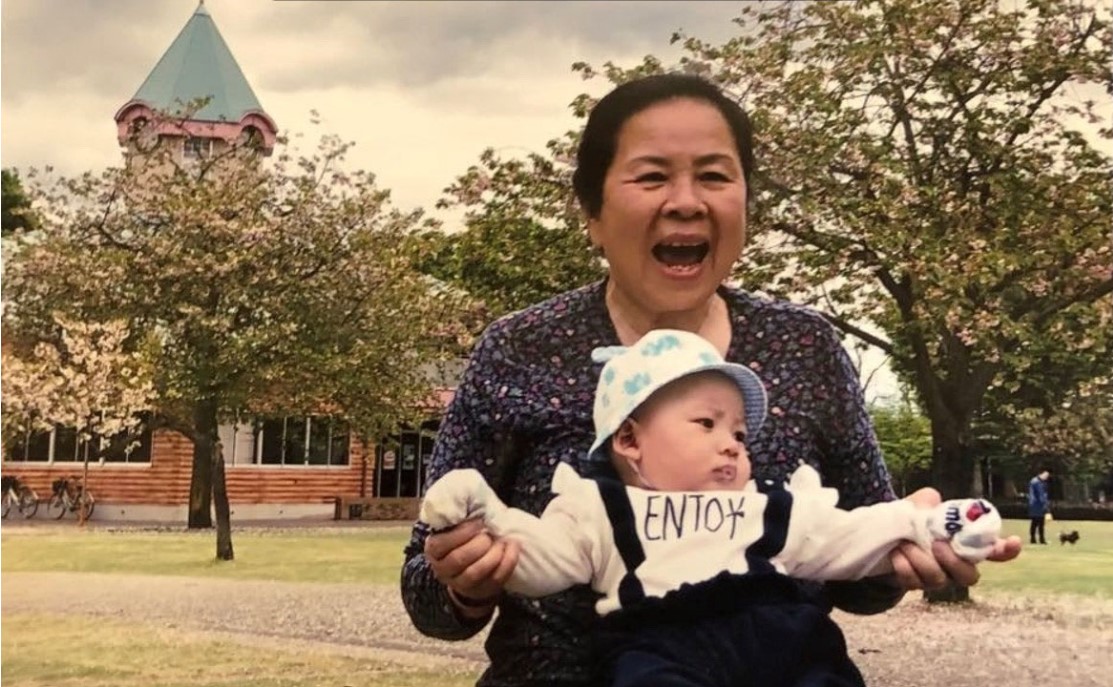
At nearly 70 years old, the woman, whose name is Le Thi Minh Nguyet, is probably the oldest Vietnamese woman still working full-time in Japan.
In fact, her age makes her as old as the grandmothers of the Vietnamese interns studying and working in the East Asian country.
She is not called a mother because of her age, but because of her responsibility and commitment in her role as an interpreter and trainer at the Kantojoho Sangyo Kyodo Kumiai, also known as Kantojoho, union, which specializes in training and placing technical trainees for Japanese companies.
Motherhood abroad
One Sunday, Nguyet's only day off of the week, she spent the entire day leading some technical trainees to their third vaccination against COVID-19.
Although she is not responsible for it, she always makes it her priority.
Nguyet has become accustomed to taking care of Vietnamese interns over the past 20 years.
Since the maximum length of stay for each intern is three years, she is familiar with many new Vietnamese interns experiencing culture shock in the first few days after arriving in Japan.
"I consider them as my children," Nguyet said.
She also treats them very seriously as she loves them so much.
The woman can use her own money to help some disadvantaged technical trainees, while never ignoring or compromising with anyone who violates local government and company rules.
Nguyet cannot forget the times when she helped some female trainees get abortions, which is a difficult time for any woman.
"Some of them hugged me at the time and said, 'How compassionate you are, you resemble my grandmother,'" Nguyet recalled.
"I understand that they might be too ashamed to ask for help in such situations."
Over the years, the experienced instructor has come across so many memorable stories about young Vietnamese trainees.
She was particularly impressed by the life story of Hanh, a young male trainee from the Mekong Delta province of Vinh Long.
Nguyet learned from Hanh's roommates that he ate only eggs every day for meals.
She thought this was strange and wanted to know the reason.
After talking to Hanh, she knew that he came from an extremely poor family in Vinh Long.
He wanted to save as much money as possible while working in Japan so that he could build a house for his parents when he returned to his hometown a few years later. Read More…