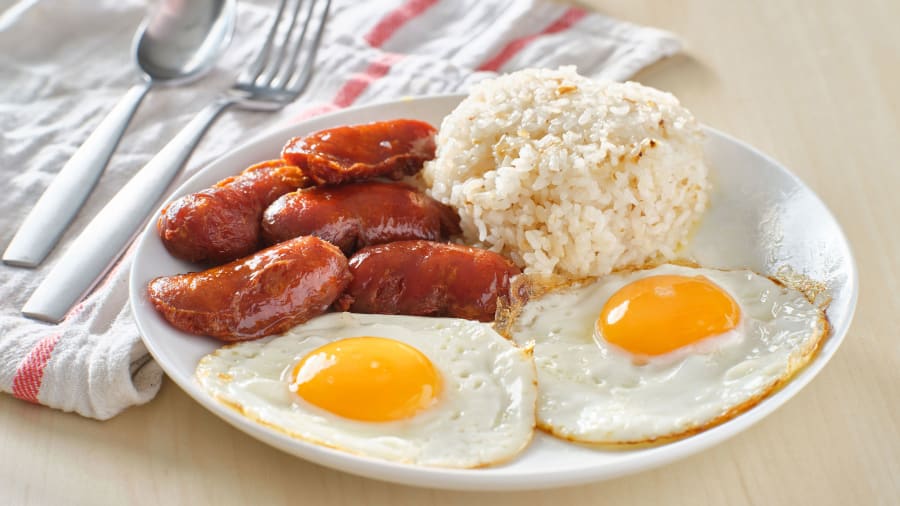
The Philippines' best breakfast foods

Filipino cuisine in general draws influences from other cultures -- namely Mexican and Chinese -- as a result of trade, and as a result of occupation and colonization such as American and Spanish cultures.
After foods like canned meats, breads and pastries, chocolate, spices, sausages and more came to the islands, Filipinos put their own spin on these dishes.
And now that the thousands of islands comprising the Philippines have reopened for tourism, it is a perfect time to start thinking about a food-focused trip.
These are the first-thing-in-the-morning delicious breakfast foods and drinks that will start the day in style.
Sinangag at itlog (silog)
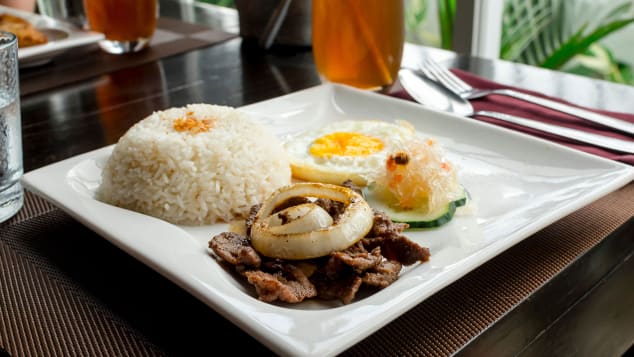
The basis of most Filipino breakfasts is sinangag, or garlic fried rice. Loaded with fragrant bits of crisp fried garlic, sinangag is a simple dish that comprises just a handful of ingredients -- garlic, salt, pepper, oil and rice -- but it requires a lot of technique and precision to ensure it's cooked properly.
The garlic must be fried to a specific point of golden brown but not burnt for the right level of crispiness; the rice should be a day old to get the perfect texture; and the salt level must enhance it all -- but not too much because sinangag is typically paired with extremely flavorful proteins that are marinated, cured or salted.
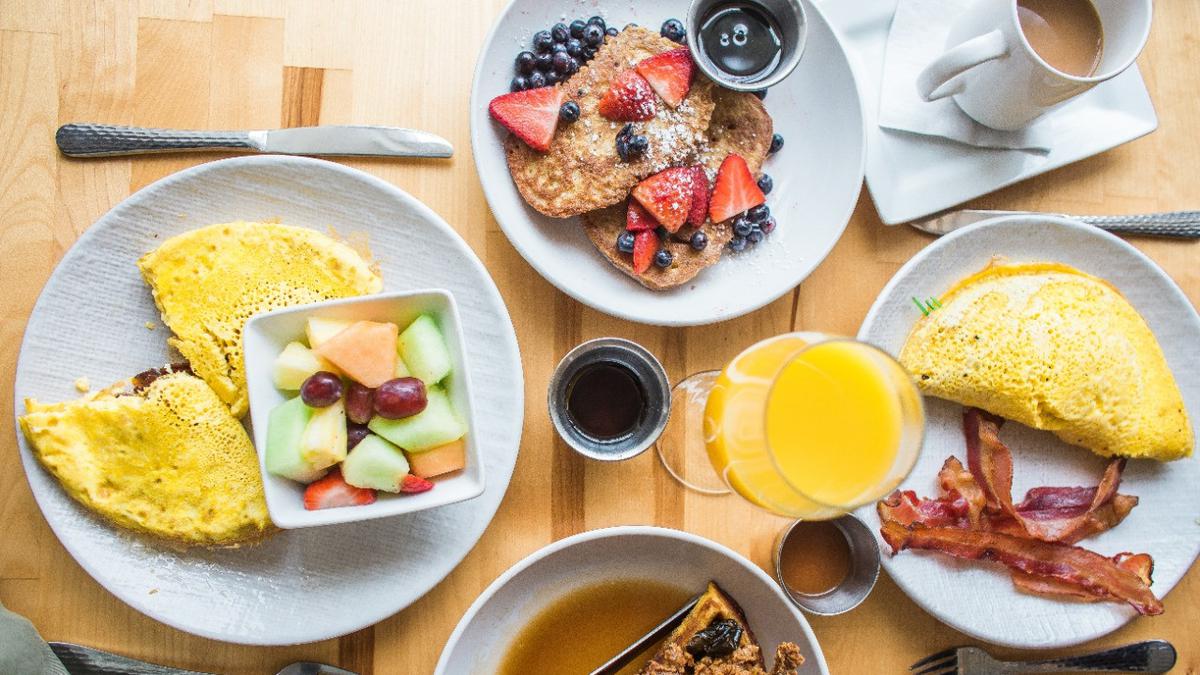
Sinangag is typically served with sunny-side-up eggs (itlog), so it's referred to as sinangag at itlog, which is then shortened to silog.
The name of the dish will depend on the type of meat or fish used -- for example, if Spam is used then the dish is Spamsilog. From hot dogs to corned beef, there are many options for silogs.
Tocino
Tocino is Spanish for bacon, but Filipino tocino is a sweet cured pork (and sometimes chicken) that's pan-fried in its own marinade until it's caramelized.
It originated in the province of Pampanga, widely regarded by many as the culinary capital of the Philippines.
Longanisa
Longanisa takes its name from the Spanish longaniza, thin, long pork sausages.
Filipino longanisa fall into two general categories: "de recado," heavy on the garlic and spiced; and "hamonado," or jamon, the Spanish word for ham.
Depending on the region, longanisa varies from the type of meat used to the preparation. In Vigan, on the west coast of Luzon on the northern end of the country, the longanisa is garlicky and spicy with a touch of acid from sugarcane vinegar. The sausages are pan-fried until caramelized.
Kakanin
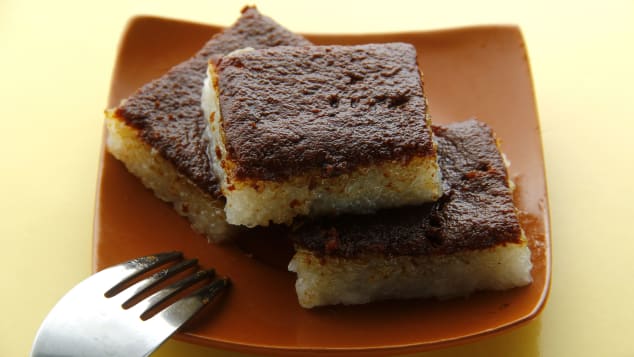
There are many kinds of kakanin (rice cakes), but there are a few essential ingredients that are common among most.
The most obvious is a glutinous sweet rice called malagkit. This grain is very starchy, lending a sticky quality that is synonymous with kakanin. Other essential ingredients are gata or coconut milk and sugar -- ideally brown sugar, which gives more depth of flavor than white sugar.
Extracts like pandan, ube (purple yam) and vanilla all bring nuance and flavor to kakanin. Some of the most popular kakanin include suman (sticky rice cooked with coconut milk and sugar steamed in banana leaves) and biko (a caramelized sticky rice cake).
One of the most beloved kakanin is bibingka, which is made with ground rice, coconut milk and egg and topped with salted egg and grated cheese for that signature Filipino salty-sweet combination. It also goes well with a steaming cup of salabat (more on that later).
Tapa
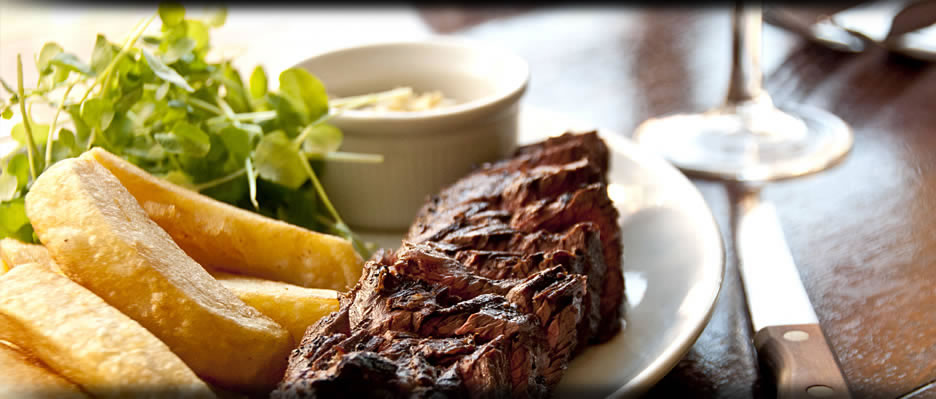
Typically made of thinly sliced beef marinated in soy sauce and calamansi (a citrus fruit that tastes as if lemon, lime and orange merged to create one tart yet sweet superfruit), tapa is typically either grilled or pan-fried.
As with many other Filipino preparations like adobo -- a technique that entails preserving food in vinegar and soy sauce to prohibit the growth of bacteria -- tapa was a popular method to extend the shelf life of meats by curing or drying, almost like a beef jerky. Now, it's typically another delicious silog option.
Pandesal
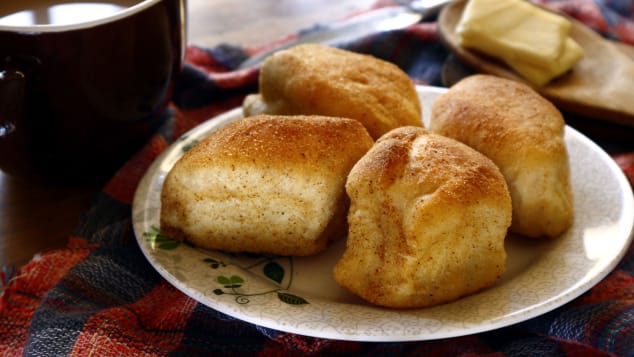
With a golden brown crust surrounding a pillowy and fluffy interior, these lightly sweet bread rolls are one of the most popular breads in the Philippines.
The word pandesal comes from the Spanish term pan de sal, which translates to "bread of salt," even though pandesal aren't salty. They do, however, have a unique texture because before they're baked they're rolled in bread crumbs.
These yeast rolls can be stuffed with cheese, jam, eggs or meat but they are good just on their own -- and dipped into coffee or hot chocolate (tsokolate).
Corned beef
American corned beef, along with other similar canned products like Spam, sardines and Vienna sausages, became popular in the Philippines during periods of occupation such as at the turn of the 20th century after the Philippine-American War and World War II.
Filipinos adopted and adapted it into the culinary repertoire by sauteing the canned meat product with onions and potatoes to make ginisang corned beef for cornsilog. Read More…