The Man Without Qualities
-
 Loading...
 - Bart Anker
- 04 Mar 2025
- 26 Views
- 0 Like
- 0 Comment
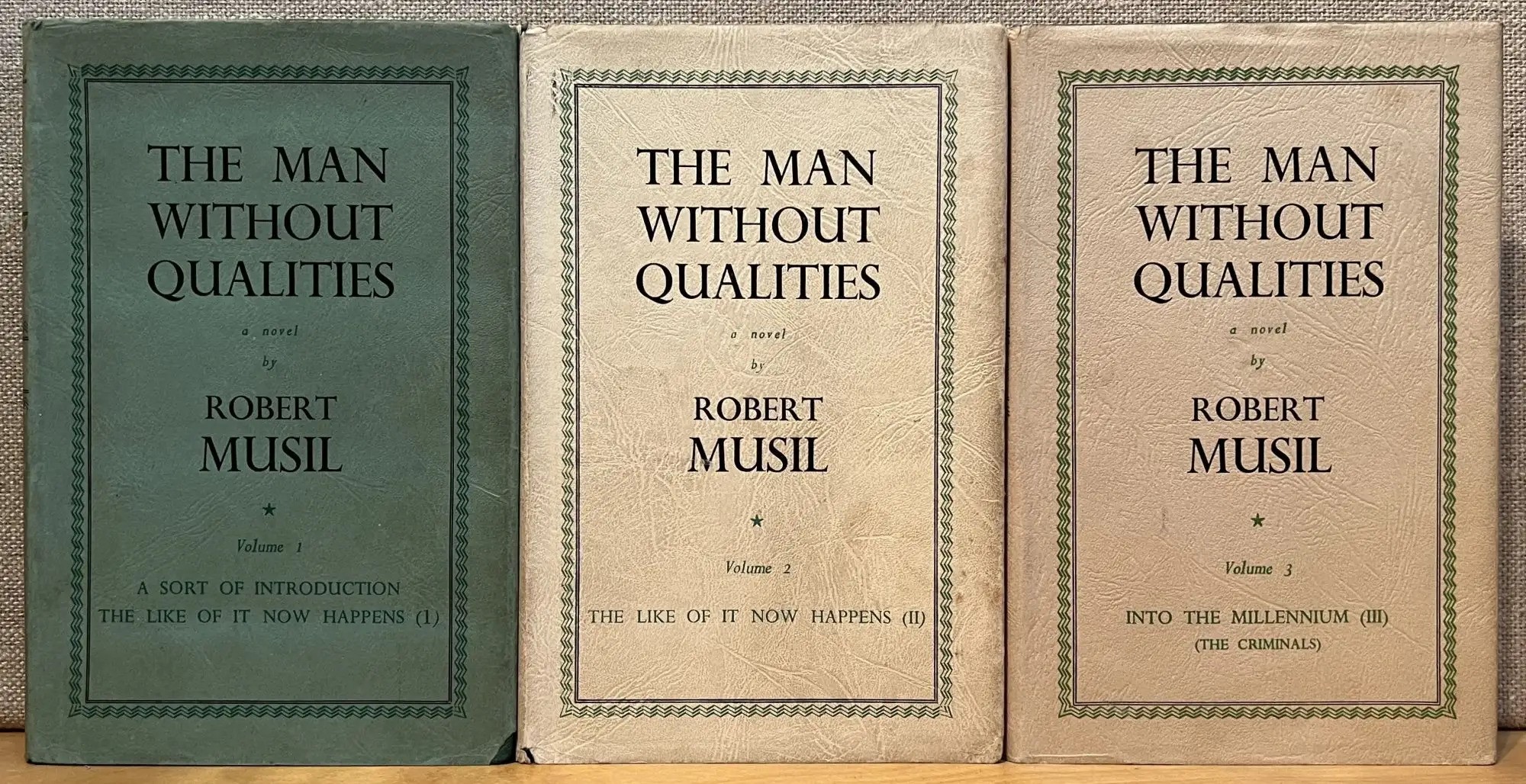
The Man Without Qualities (originally titled Der Mann ohne Eigenschaften) is an unfinished novel by Austrian writer Robert Musil, published in three installments in 1930, 1933, and 1943. This sprawling masterpiece represents Musil's life’s work and is regarded as one of the significant literary achievements of the 20th century.
At its core, the novel presents a witty and urbane portrait of life during the final days of the Austro-Hungarian Empire. Musil intricately weaves together the lives of his characters, exploring themes of identity, morality, and the complexities of modern existence. The protagonist, Ulrich, is a man who embodies the concept of "the man without qualities," reflecting the existential uncertainty and disconnection prevalent in society.
Beyond its surface-level narrative, the novel serves as a tragic farce that critiques the slow collapse of a society into anarchy and chaos. Musil's work is an indictment of a culture that increasingly embraced fascism, highlighting the dangers of political folly and the erosion of genuine values. Through his incisive prose, he dissects the sham values of modernity, revealing the absurdities and contradictions of contemporary life.
Musil's exploration of modern uncertainty resonates deeply, making The Man Without Qualities a profound commentary on the human condition. The novel's unfinished status adds to its complexity, inviting readers to engage with its themes and reflect on the societal issues it raises. As a result, it remains a vital work for understanding the cultural and political landscape of early 20th-century Europe.