The Life of Heinrich Schliemann, the Discoverer of Troy
-
 Loading...
 - Isla Autio
- 02 May 2022
- 351 Views
- 0 Like
- 0 Comment
Archaeologist Heinrich Schliemann was a larger-than-life figure, discovering Troy — a city that many had believed was mythical and would never be found — in what is now Hisarlik, in modern-day Turkey. As befits Greece — his greatest passion and the subject of his archaeological work — he had an outsized life, as full of controversy as it was accomplishment.
Schliemann, a German national who wasn’t even a trained archaeologist, bucked convention and made enemies in the ranks of professional archaeologists and historians — but ended up unearthing the most sought-after historical find of all time, the Troy of legend, the place where a great series of battles were fought between the Trojans and Mycenaeans in antiquity.
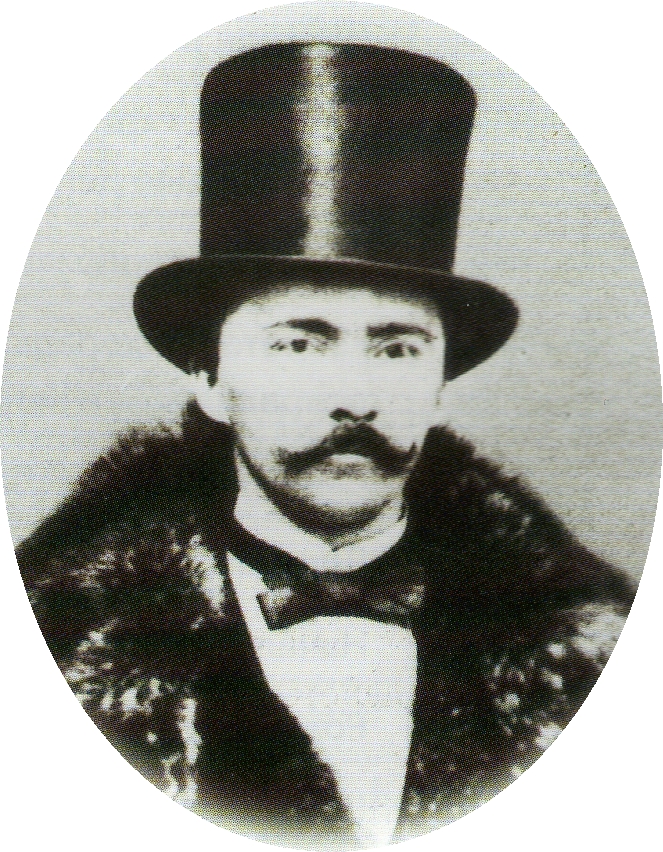
Dismissed as a dilettante and even a fraud by some who were envious of his success and audacity in even trying to discover such an enormous treasure, in the end Schliemann was vindicated — for the most part — and his discoveries will live on forever in Greek history.
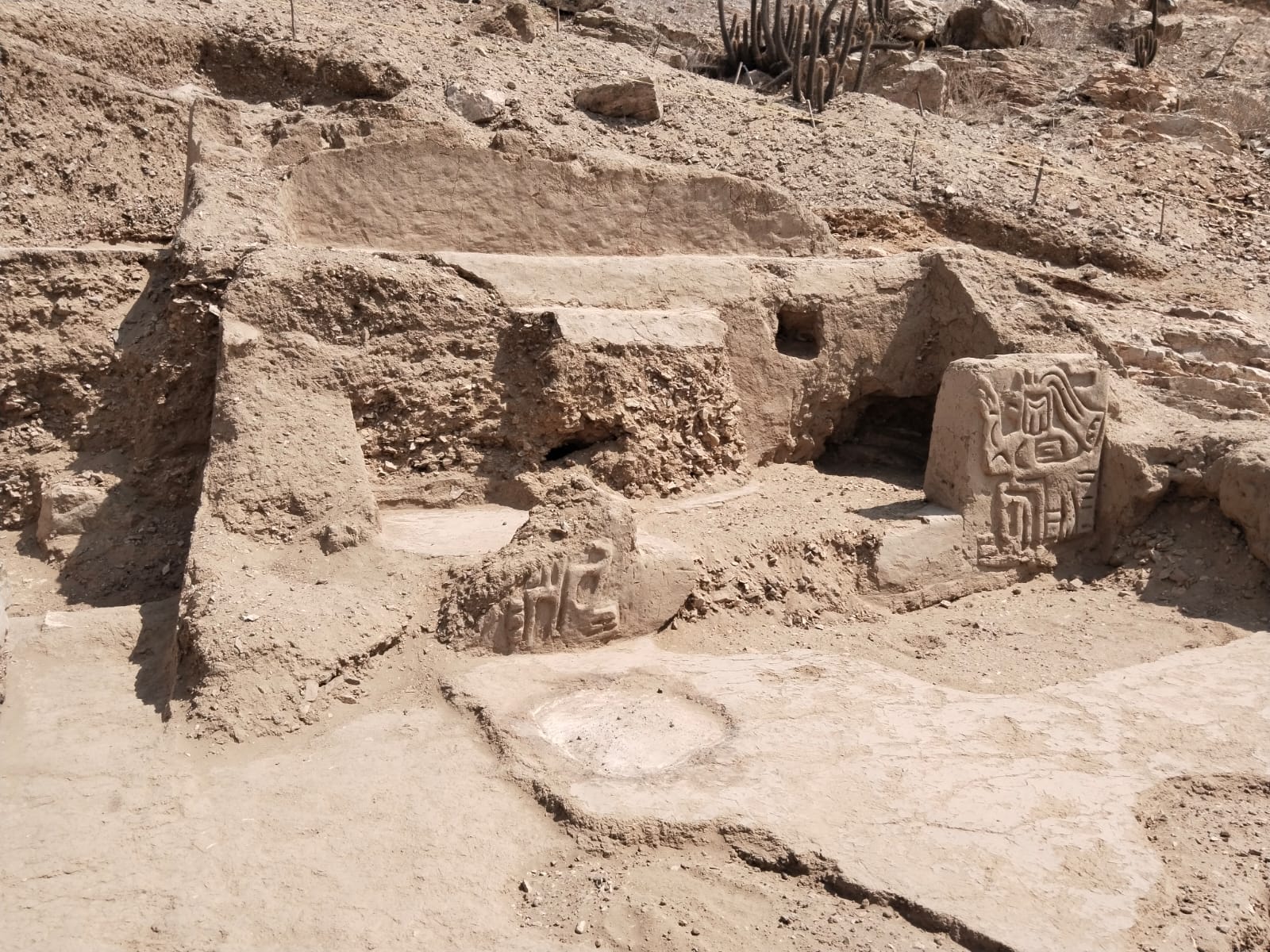
His massive, ham-handed excavations were condemned by later archaeologists as having destroyed the main layers of the real Troy; indeed, he blasted through what was later believed to be the actual walls of the city to get to what he believed were the jewels belonging to Helen of Troy — in the meantime unearthing a civilization that had flourished long before the time of Troy itself.
Historian Kenneth W. Harl, in the Teaching Company’s Great Ancient Civilizations of Asia Minor lecture series, stated sarcastically that Heinrich Schliemann’s excavations were carried out with such rough methods that he did to Troy what the Greeks could not do in their time — destroying and leveling the entire city walls to the ground.
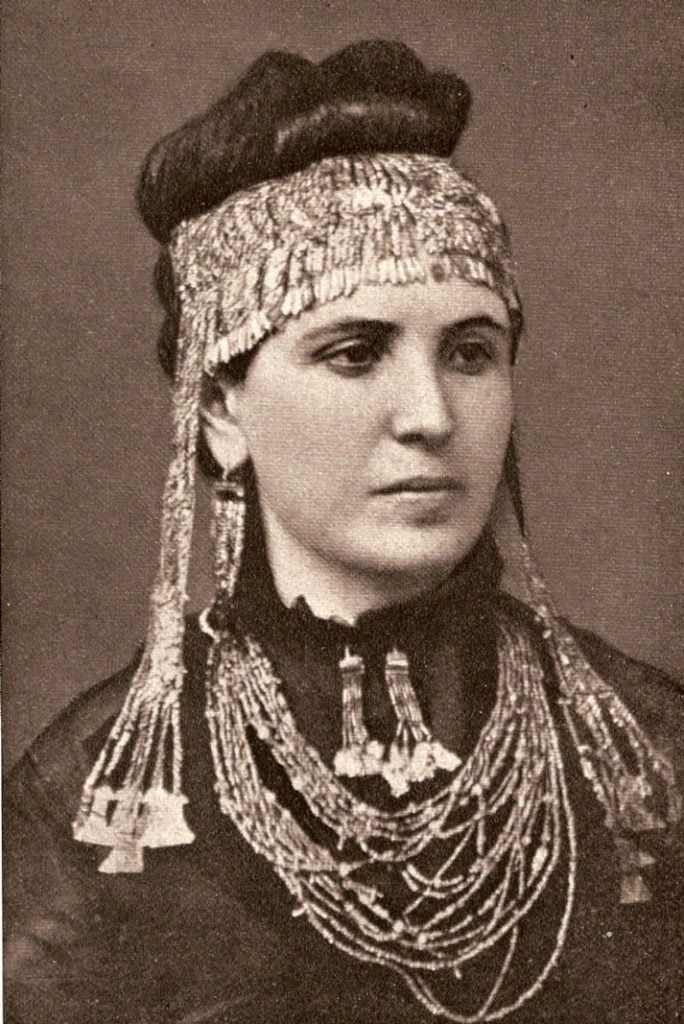
His dig at Troy is actually used as the perfect example for archaeology students everywhere of how excavations shouldn’t be done.
But despite this, the modern study of archaeology was just in its infancy, and the painstaking excavations of later times, with archaeologists using brushes to flick away the earth of centuries, were simply not done at that time.
Born on January 6, 1822 to a Lutheran pastor, in Neubukow, Mecklenburg-Schwerin, part of the German Confederation, Schliemann was a businessman whose stories at his father’s knee kindled in him a passion for Ancient Greece and Troy that was never to burn out.
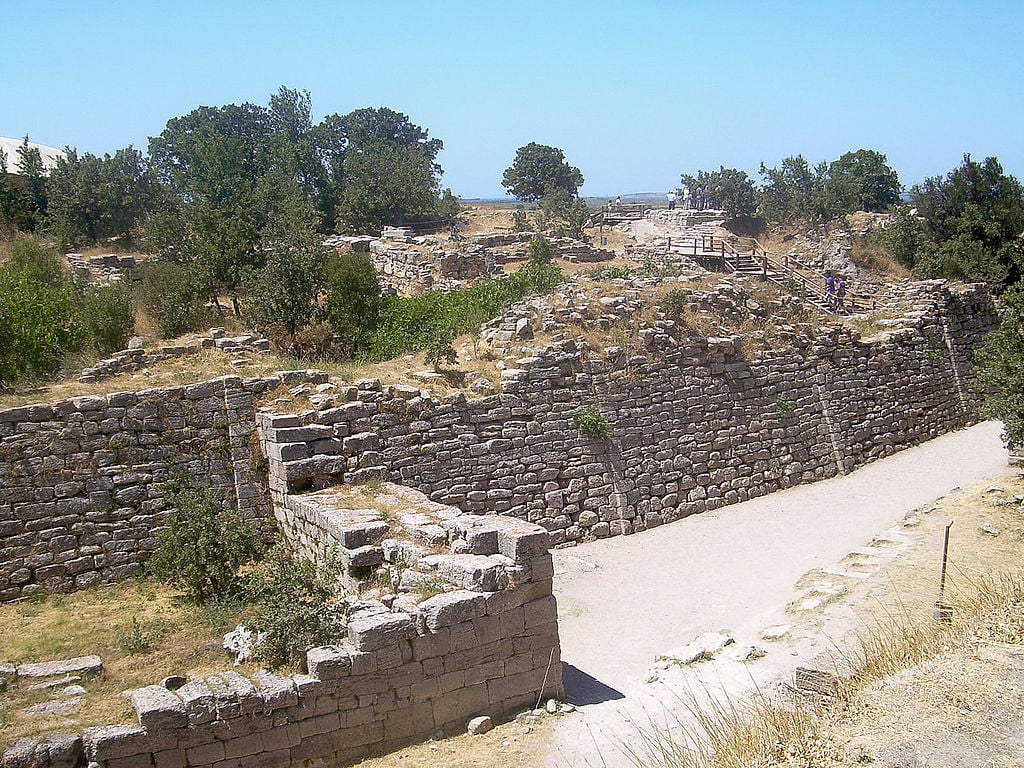
A pioneer in the field of archaeology, he became obsessed with finding the actual locations mentioned in the works of Homer. The impoverished young man, who had to work stocking groceries after his funds for schooling ran out, later on not only discovered what is universally accepted as the site of Troy but also the Mycenaean sites of Mycenae and Tiryns as well.
His groundbreaking work lent weight to the idea that Homer’s Iliad indeed reflected historical events. Heinrich Schliemann’s brutal excavation of nine levels of archaeological remains using dynamite was severely criticized as destructive to extremely historically significant artifacts, but he had little to go in in the way of instruction in more appropriate techniques at the time.
Along with the British archaeologist Arthur Evans, Schliemann was a pioneer in the study of Aegean civilization in the Bronze Age. The two men knew of each other, Evans having visited Schliemann’s sites. Schliemann had also planned to excavate at Knossos, on Crete, but died before fulfilling that dream. Evans actually bought the site and stepped in to take charge of the project, which was then still in its infancy.
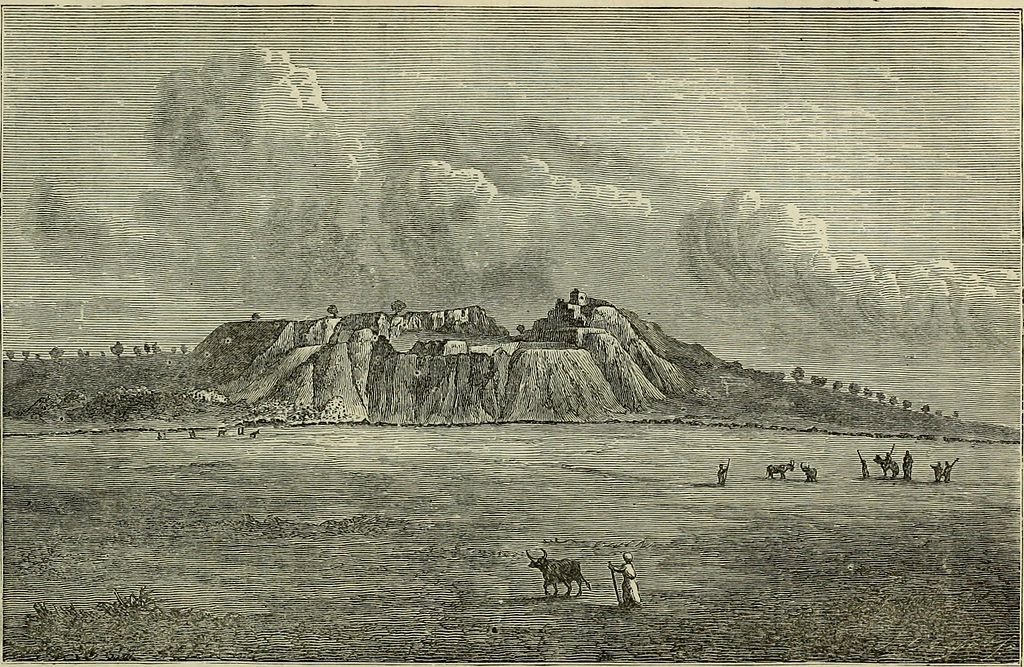
Heinrich’s interest in history was initially encouraged by his father, who had schooled him in the tales of the Iliad and the Odyssey and had given him a copy of Ludwig Jerrer’s “Illustrated History of the World” for Christmas in 1829. Schliemann later claimed that he had declared that he would one day excavate the city of Troy at the tender age of seven.
However, Heinrich had to transfer to the Realschule, a vocational school, after his father was accused of embezzling church funds, and he even had to leave that institution in 1836 after his father was no longer able to pay for his schooling. His family’s poverty made a university education impossible, so it was the tales Schliemann’s had heard from his father and read in his books on his own that influenced the course of his education as an adult — and led to the greatest archaeological find of modern times.
But his lack of formal schooling at a higher level — as well as his ongoing, troubling fumbling of historical facts — was to dog Schliemann his entire life. After leaving formal schooling at the tender age of 14, he became an apprentice at Herr Holtz’s grocery in Fürstenberg, Germany.
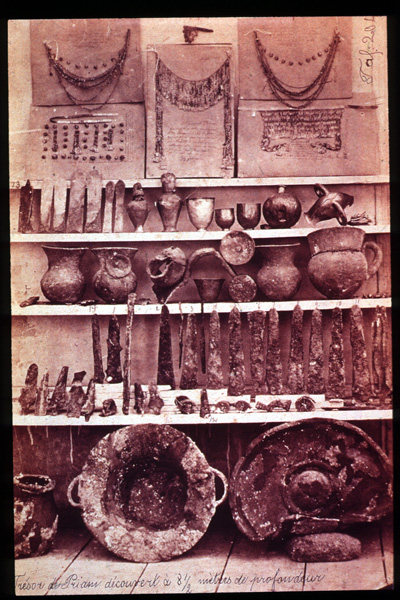
Later on, he was to relate that his passion for Homer was rekindled after he heard a drunkard reciting his works at the grocer’s. Schliemann worked as a common laborer there for five years, until he was forced to leave because he burst a blood vessel lifting a heavy barrel.
Schliemann moved to Hamburg in 1841 and became a cabin boy on the “Dorothea,” a steamship bound for Venezuela. However, after just twelve days at sea, the ship foundered in a gale. The survivors, including Schliemann, washed up on the shores of the Netherlands. Ready to start all over again, he moved to Amsterdam, where he became a bookkeeper. By 1846, the firm sent him as their general agent to St. Petersburg, Russia.
While there, Schliemann represented a number of companies. But more importantly, he kept his mind alive by learning Russian and Greek, employing a system that he used his entire life to learn languages.
Schliemann, who later claimed that it took him only six weeks to learn a language, wrote his diary in the language of whatever country he happened to be in for the rest of his life. By the end of his long life, he could converse in English, French, Dutch, Spanish, Portuguese, Italian, Russian, Swedish, Polish, Greek, Latin, and Arabic, besides his native German.
Schliemann’s preternatural ability with languages was an important part of his career as a businessman in the importing trade. In 1850, after learning of the death of his brother, who had become wealthy as a speculator in the California gold fields, he decided to trust his seemingly innate good luck and see what America could offer him in the way of an adventure.
Schliemann went to California in early 1851 and somehow was able to start up a bank in Sacramento, buying and reselling over a million dollars’ worth of gold dust in just six months. When the local Rothschild agent complained about his short-weighting the gold dust, however, he left California for good, pretending it was because of illness.
On April 7, 1852, Schliemann sold his business and returned to Russia. He lived the life of a gentleman with the money he had gotten from his gold dust dealings, which brought him into contact with Ekaterina Petrovna Lyschin, the niece of one of his wealthy friends.
Heinrich and Ekaterina married on October 12, 1852, but their marriage was troubled from the beginning. Ekaterina and Heinrich had a son, Sergey (1855–1941), and two daughters, Natalya (1859–1869) and Nadezhda (1861–1935).
Schliemann made yet another quick fortune as a military contractor in the Crimean War, from 1854–1856.
By 1858, Schliemann was 36 years of age and wealthy enough to retire. However, in his memoirs, he stated that he then wished to dedicate his entire life ever after to the pursuit of Troy.
The man who had been forced to work as a stockboy for a grocer was now able to spend a month studying at the Sorbonne in 1866. He moved to Athens as soon as a court granted him a divorce from Ekaterina and he married again two months later.
A former teacher and Athenian friend, Theokletos Vimpos, the Archbishop of Mantineia and Kynouria, helped Schliemann find someone for a wife who, as he had stipulated, was “enthusiastic about Homer and about a rebirth of my beloved Greece…with a Greek name and a soul impassioned for learning.”
The archbishop suggested a young schoolgirl, Sophia Engastromenos, who was the daughter of his cousin. They were married by the Archbishop on September 23, 1869. Heinrich and Sophia went on to have two children, Andromache and Agamemnon.
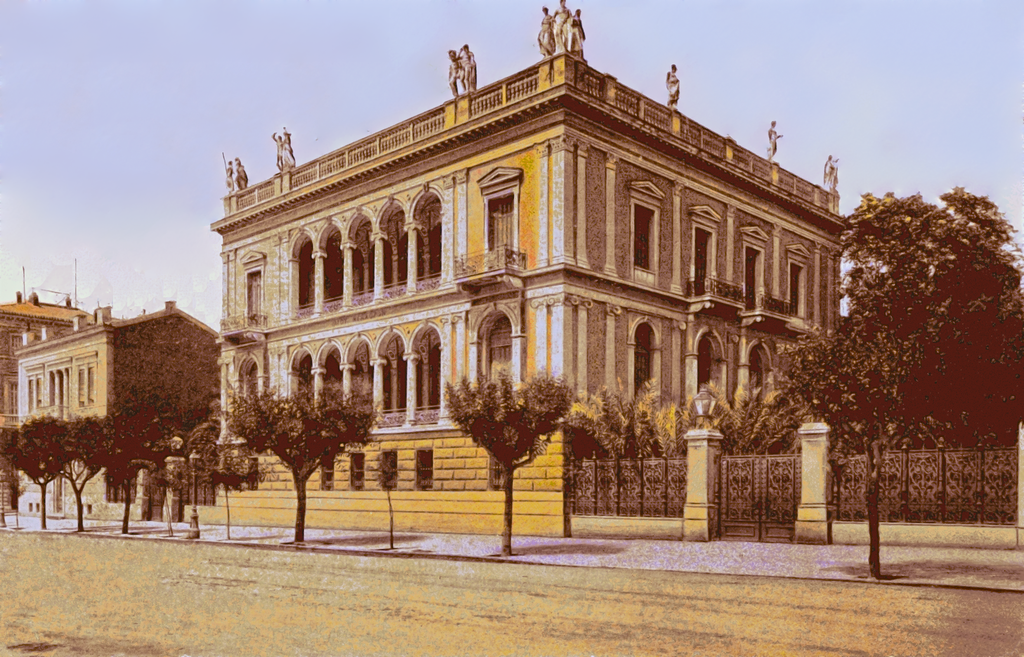
Now he was finally free to dedicate his life to unearthing the actual physical remains of the cities of Homer’s epic tales; he was in the end so successful at this that many now refer to Schliemann as the “father of pre-Hellenistic archaeology.”
In 1868, Schliemann began visiting sites in the Greek world, and published the book “Ithaka, der Peloponnesus und Troja” in which he asserted that Hissarlik was the site of Troy, and submitted a dissertation in Ancient Greek proposing the same thesis to the University of Rostock.
In 1869, he was awarded a PhD in absentia, from the University of Rostock, in Germany, for that submission. However, historian David Traill wrote that the examiners had awarded him his PhD on the basis of his topographical analyses of Ithaca, which were in part simply translations of another author’s work or drawn from poetic descriptions by the same author.
Charges such as this were to hound Schliemann his entire life — whether true or not.
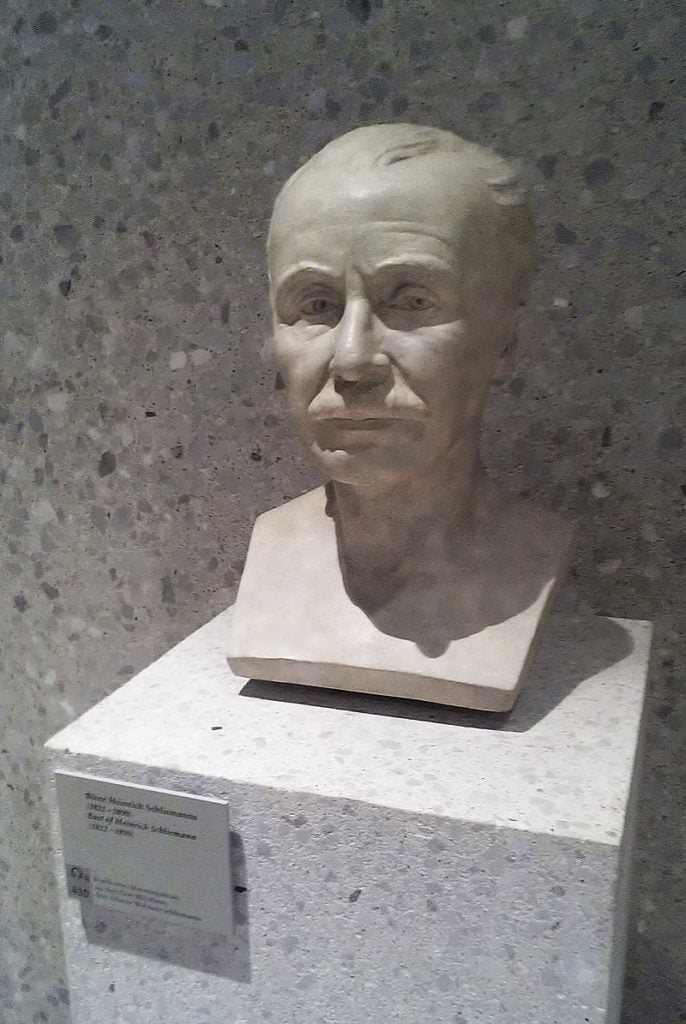
The irresistible lure of Troy and Mycenae
Schliemann’s first task was to simply find the probable location of Troy. At the time he began excavating in Turkey, the site commonly believed to be the city was at Pınarbaşı, a hilltop at the south end of the Trojan Plain. Read More...