The Importance of Data Lifecycle Management (DLM) and Best Practices
-
 Loading...
 - Matias Salinas
- 29 Jun 2022
- 124 Views
- 0 Like
- 0 Comment
What is data management?
Data Lifecycle Management (DLM) combines the best practices from the various stages of the data life cycle: production, data cleansing, data management, data protection, and data governance. It defines how the data is captured, prepared, transported, managed, analyzed, and governed at each phase of the data life cycle.
By following DLM, businesses can ensure that the correct data is in the right place at the right time, enabling them to capitalize on data insights and create new opportunities. By leveraging data science, companies are provided with a holistic view of data, making it possible to monitor data usage across the various stages of the customer’s journey and detect any data misuse or breach.
The fundamental requirement for any software platform is data. In today’s complex environment, we may generate data from many sources, such as network operations centers, mobile devices, social media sites, and other data-sharing environments. All of this data has to be managed and used in a manner that keeps the customer safe and adheres to internal and external regulations.
According to the National Institute for Standards and Technology (NIST), data life-cycle management (DLCM) “is the application of a set of principles, processes, and technologies for data management and storage. The objectives of DLCM include the protection, enhancement, and reuse of electronic data within an organization.”

3 Key Components in any Data Management Lifecycle Process
Each organization has a specific process for creating, managing, and deleting data. We know this as the data lifecycle management process:
Data creation
The creation of data involves capturing data, defining purpose, classifying data, and removing redundant data.
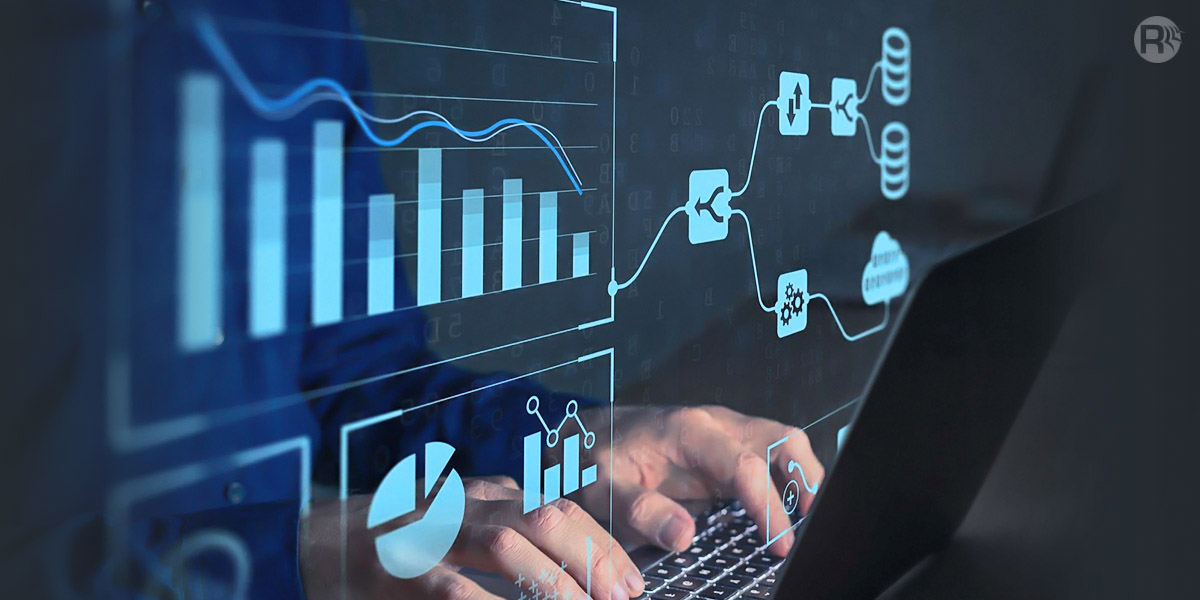
A breakdown of the critical aspects of the data management process, from data architecture to data governance
Data management
Management of data is composed of processing, merging, aggregation, classification, and data selection.
Data deletion
In the final stage of the data lifecycle process, data deletion is where the information in the datasets is purged from the system.
What are the stages of the data management lifecycle?
The logical process of data life-cycle management can be divided into six integral stages.
1. Data Creation | Data Collection
The first stage in the data management lifecycle is data collection, sometimes referred to as data creation, and the collection of data that occurs when someone uses a product. Depending on the product, companies may collect data through a channel like an email, a web form, a website, or other means.
At this stage, businesses collect data from the original sources. This data may be passed through software platforms for verification purposes but may also include manual data collection.
2. Data Storage and Maintenance
Once data has been stored in the right form and format, the system must maintain it. In reality, this is an ongoing process, taking into account additions to the database, machine learning, business rules, etc.
To achieve continuous data integrity, businesses need a way to easily migrate data to the cloud or a new environment to be stored. The most common way to store data is by using a Relational Database Management System (RDBMS), the underlying framework for most data warehousing systems. RDBMS enables businesses to manage and maintain data in a trusted manner.
In addition, RDBMS supports almost all programming languages for data manipulation and query functionality. Regularly, the RDBMS performs maintenance on the data in it by retrieving data from data sources and storing and/or deleting data at predetermined intervals. Read More...