The Ethics Of Street Photography
-
 Loading...
 - Qian Huang
- 08 Feb 2022
- 464 Views
- 0 Like
- 0 Comment
In many places around the world, street photography is legal and permissible by society. I know street photography is legal in Japan, where I live, and in the US, where I grew up. However, my understanding is that in some countries it’s not legal. So, the legality of something is not really a helpful indicator to determine if something is ethical or not. I hope to apply my personal ethics universally, and since the legality varies, it is of no use to determine the ethics of street photography one way or the other.
I believe that there is no on-size-fits-all answer to the question of ethics in street photography and instead every street photographer must determine his or her own ethics. From here on I share my own street photography code of ethics. I invite anyone reading this to use it as a starting point for your own meditations on ethics with the goal of developing a personal code of your own.
WHY EVEN DO STREET PHOTOGRAPHY?
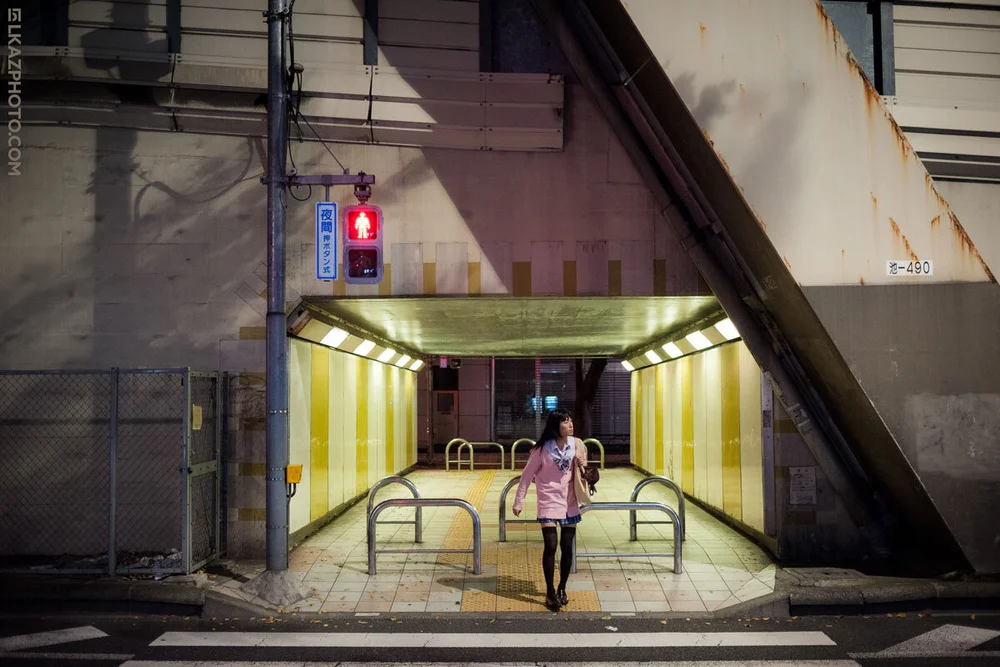
To consider how to do street photography ethically, it’s important to first define its value. Otherwise, if street photography has no value, then any questions of ethics should end with simply: just don’t take the photo. So, what is the value of street photography? I think there are two main benefits, or categories of benefits: the personal and the social. I cannot speak for other people, but for me street photography has immense personal value. It is a form of meditation or praxis, that allows me to observe, understand, and appreciate the world. Thanks to street photography I have grown as person, and I regularly return to it in times of hardship to help regain my sense of self. I would say that is a significant personal value.
But more importantly, street photography provides value for society. Street photography is not photojournalism, and I suppose most street photographers do not set out to document something particular, but that is where lies the inherent value. Whereas photojournalists and documentarians focus on subjects that attract attention, street photographers focus on the mundane, the ho-hum, run-of-the-mill flotsam of everyday life. Moments that could easily be ignored and forgotten end up in the street photographer’s camera. And to me, there is extraordinary value in the act of saving and elevating these instances of existence through photography. As Roy puts so eloquently in Blade Runner, “All those moments will be lost in time, like tears in rain.” Well, with street photography, some of these moments can be saved and preserved, at least in part.
Sure, it’s not like street photographers are out there curing cancer or solving the climate crisis. I get it, we are not that special. All I’m saying is that there is some value to street photography. It’s not just dorks with cameras trying to make pretty pictures.
Going beyond the grand social benefit of preserving common instances of humanity, street photographs, like any form of art, give pleasure and interest to those who look at them. I know for a fact that many people who follow my work enjoy it for the simple fact that it offers a glimpse into life in Japan. Thanks to the internet I can share things that are commonplace for me but inaccessible and exotic for people living on the other side of the globe. People can cultivate their interest in far-off places through more mainstream media, but it can be hard for them to get a raw and authentic sense of what a place is like. Street photography can certainly provide that, at least in part.
Okay, so it’s certainly not an exhaustive list, but it’s clear that there is some value to street photography. With that, we can make decisions on whether it is or is not ethical to conduct candid street photography.
STREET PHOTOGRAPHY AND UTILITARIANISM
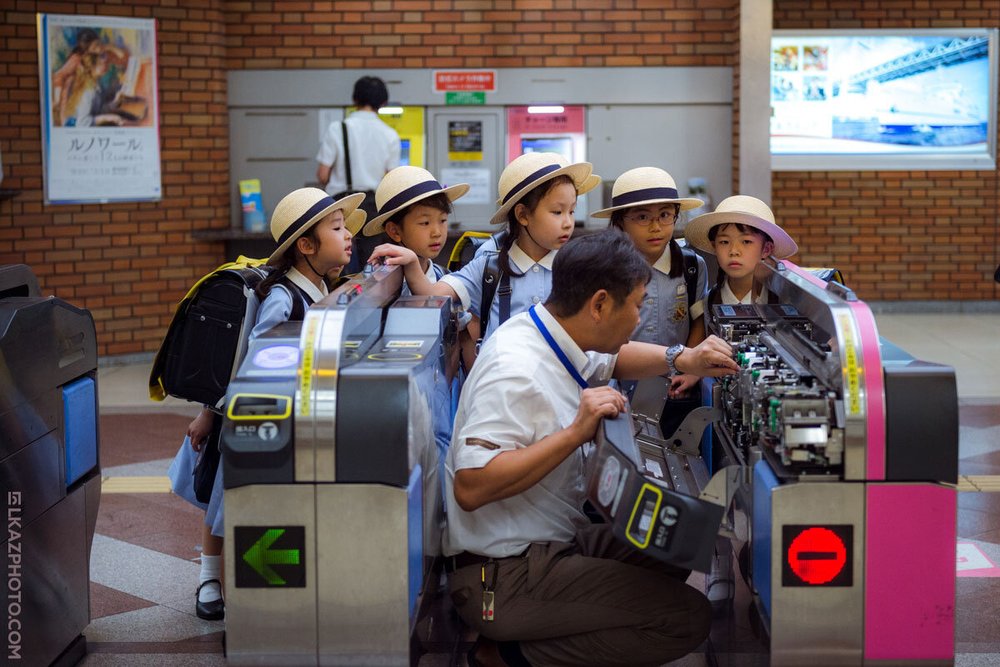
As a street photographer I run into a key ethical dilemma: should I take this person’s photo without permission? And if I do take their photo, should I publish it? Of course, it’s possible to ask for permission, but to me, that is not exactly street photography. Though to be clear, I don’t condemn asking for permission, it’s just that this kind of ‘interactive’ street photography is not what I am usually going for myself. So, when I encounter a subject that interests me, I have to weigh the impact of my actions. A number of questions go through my mind: will I cause this person stress by photographing them? Will it harm them if I publish their photo in a public forum? Would I mind if someone photographed me in the same circumstances (applying the golden rule)? And finally, is there some benefit to society if I publish this photo? Does the image have some social value?
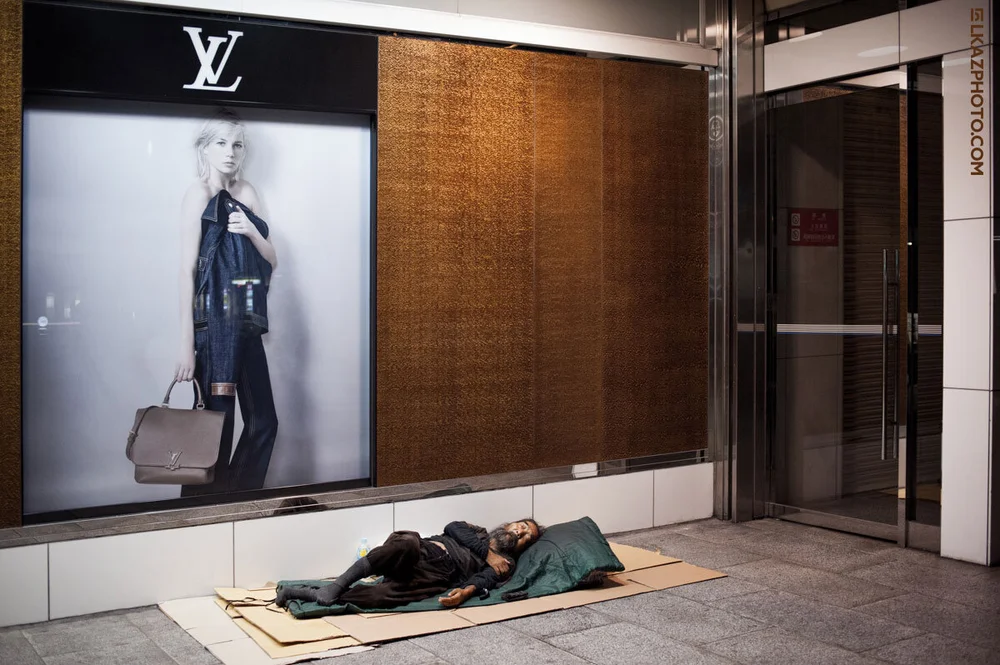
There was a time when I didn’t ask myself these questions and I just photographed people with little to any consideration about how they might feel about it. In those very early days, I was focused simply on getting a shot, any shot, that had some emotional content or narrative interest. The homeless are a common sight on the streets of Tokyo, and in my early days I photographed them regularly. However, today when considering the above questions, it’s easy for me to discount homeless people as ethical subjects for my street photography for the most part. It’s not that they should be ignored, but the fact is that in many cases I was not photographing them for a good reason or with the right intentions. Such photos were merely low hanging fruit.
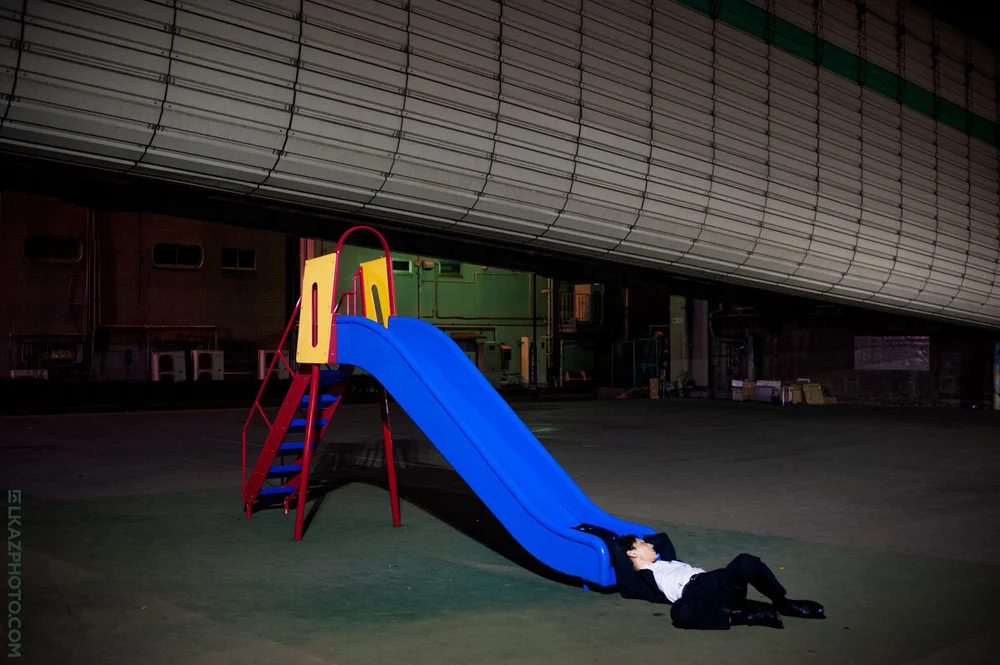
But I did say ‘for the most part.’ I would not hesitate to photograph a homeless person even now as long as the image had some artistic merit or made a statement about homelessness. I try not to degrade the person by simply exhibiting them as an object exemplifying hardship. Let’s look at another example: drunken people. Another common sight in Tokyo is drunken people passed out on the sidewalk. Again, they make for an easy target that results in an image with some kind of drama. But such images do not preserve the individual’s dignity. Sure, they may have made some bad decisions to end up drunk and sleeping next to a puddle of vomit. But what right do I have to exploit them? Read More…