The Essential Role of ‘Civic Space’ in Safeguarding Electoral Integrity: How a Decision in Africa Can Reverberate
-
 Loading...
 - Yvonne Asare
- 02 Oct 2024
- 54 Views
- 0 Like
- 0 Comment
The African Commission on Human and Peoples' Rights (ACHPR) has made a landmark decision in a case involving Ethiopia's 2015 elections, emphasizing the crucial connection between civic space and the right to vote. The decision highlights the importance of an enabling environment in which the rights to freedom of expression, assembly, and association can flourish, and stresses that these rights are not just legal abstractions, but require concrete protections and respect to ensure free and fair elections.
The ACHPR's decision is a powerful reminder that protecting civic space is crucial for preserving democracy. When civic space is restricted, an election fails to reflect the people's true will, leading to a deepening of political and social crises. The decision provides a framework for holding governments accountable when they undermine democratic processes, and serves as a warning to governments worldwide that restrictions on civic space and the right to vote will not go unnoticed or unchallenged.
The case in question involved the Ethiopian government's crackdown on media, public demonstrations, and civil society organizations ahead of the 2015 elections, creating an environment in which voters lacked the necessary information, autonomy, and freedom to make informed decisions. The ACHPR's decision stresses that these actions undermined the democratic process and compromised the integrity of the electoral outcome.
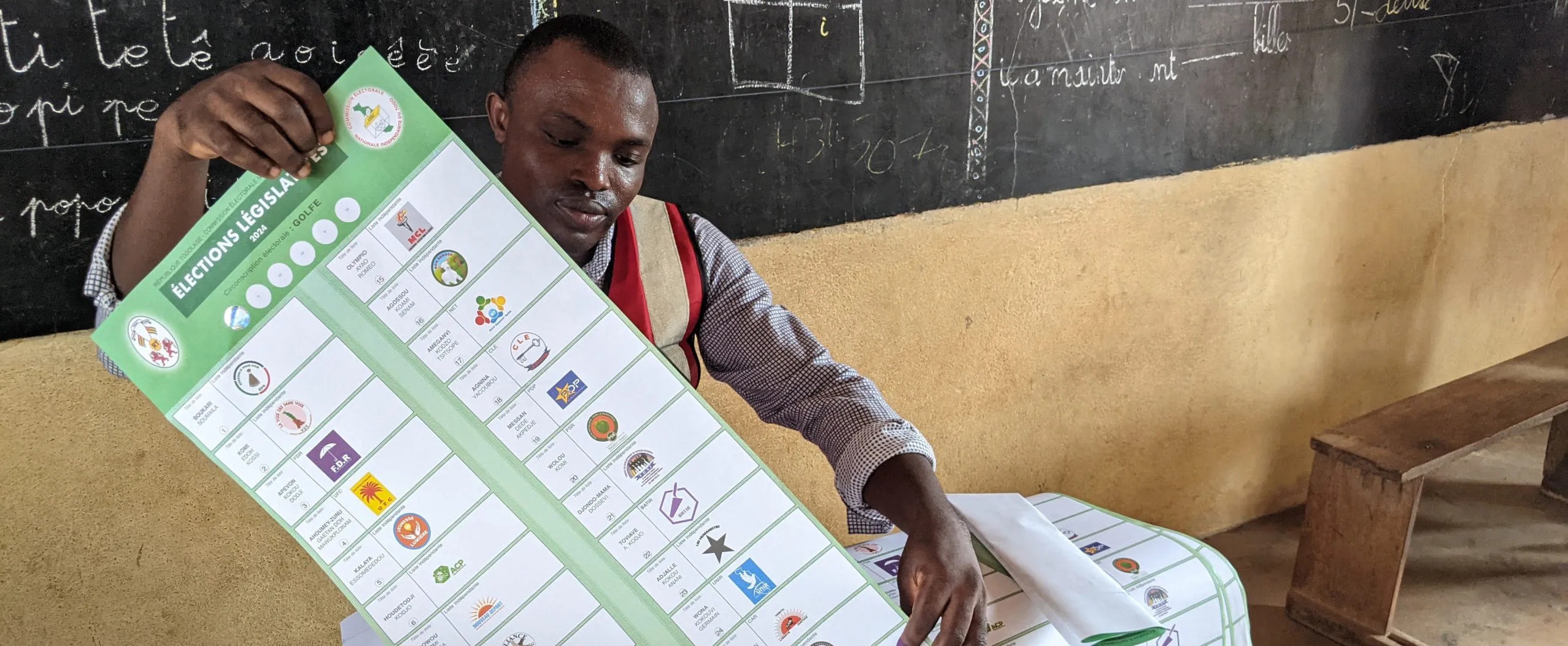
The decision is not an isolated case, but rather part of a broader trend of governments undermining democratic principles and restricting civic space. Recent elections in Venezuela, Togo, and Bangladesh show similar patterns of repression, leading to electoral outcomes that benefit those in power rather than the electorate. In these countries, there are frequent attacks on human rights defenders, including journalists and activists, who are vital in informing the public and holding governments accountable.
The ACHPR's decision highlights that the rights to freedom of assembly and association must be more than just legally recognized; they must be actively protected and respected in practice. The decision also emphasizes the importance of the right to receive information, without which the electorate's ability to participate meaningfully in elections is effectively nullified.
The impact of the ACHPR's decision will be determined by domestic political will and the effectiveness of both local and international pressure. However, the decision provides a powerful tool for civil society and human rights defenders in the fight to protect civic space and ensure electoral integrity. By highlighting the importance of an enabling environment for exercising political rights, the African Commission has provided a roadmap for safeguarding democracy in the face of authoritarianism.
As the global struggle for democracy continues, the African Commission's conclusion reminds us that the fight for civic space is a fight for the very soul of democracy. The international community must stand firm in its defense and protection of democratic principles, recognizing that the erosion of civic space anywhere threatens democracy everywhere.
The ACHPR's decision is a significant step forward in the protection of civic space and the promotion of democratic principles. It serves as a reminder that the protection of human rights and the promotion of democracy are essential for ensuring that elections are free, fair, and reflect the will of the people. The decision also highlights the importance of international cooperation and solidarity in the face of authoritarianism and the erosion of democratic principles.
In conclusion, the ACHPR's decision is a landmark moment in the protection of civic space and the promotion of democratic principles. It provides a powerful tool for civil society and human rights defenders, and serves as a warning to governments worldwide that restrictions on civic space and the right to vote will not go unnoticed or unchallenged. As the global struggle for democracy continues, it is essential that we stand firm in our defense and protection of democratic principles, and recognize that the erosion of civic space anywhere threatens democracy everywhere.