Home Upload Photo Upload Videos Write a Blog Analytics Messaging Streaming Create Adverts Creators Program
Bebuzee Afghanistan Bebuzee Albania Bebuzee Algeria Bebuzee Andorra Bebuzee Angola Bebuzee Antigua and Barbuda Bebuzee Argentina Bebuzee Armenia Bebuzee Australia Bebuzee Austria Bebuzee Azerbaijan Bebuzee Bahamas Bebuzee Bahrain Bebuzee Bangladesh Bebuzee Barbados Bebuzee Belarus Bebuzee Belgium Bebuzee Belize Bebuzee Benin Bebuzee Bhutan Bebuzee Bolivia Bebuzee Bosnia and Herzegovina Bebuzee Botswana Bebuzee Brazil Bebuzee Brunei Bebuzee Bulgaria Bebuzee Burkina Faso Bebuzee Burundi Bebuzee Cabo Verde Bebuzee Cambodia Bebuzee Cameroon Bebuzee Canada Bebuzee Central African Republic Bebuzee Chad Bebuzee Chile Bebuzee China Bebuzee Colombia Bebuzee Comoros Bebuzee Costa Rica Bebuzee Côte d'Ivoire Bebuzee Croatia Bebuzee Cuba Bebuzee Cyprus Bebuzee Czech Republic Bebuzee Democratic Republic of the Congo Bebuzee Denmark Bebuzee Djibouti Bebuzee Dominica Bebuzee Dominican Republic Bebuzee Ecuador Bebuzee Egypt Bebuzee El Salvador Bebuzee Equatorial Guinea Bebuzee Eritrea Bebuzee Estonia Bebuzee Eswatini Bebuzee Ethiopia Bebuzee Fiji Bebuzee Finland Bebuzee France Bebuzee Gabon Bebuzee Gambia Bebuzee Georgia Bebuzee Germany Bebuzee Ghana Bebuzee Greece Bebuzee Grenada Bebuzee Guatemala Bebuzee Guinea Bebuzee Guinea-Bissau Bebuzee Guyana Bebuzee Haiti Bebuzee Honduras Bebuzee Hong Kong Bebuzee Hungary Bebuzee Iceland Bebuzee India Bebuzee Indonesia Bebuzee Iran Bebuzee Iraq Bebuzee Ireland Bebuzee Israel Bebuzee Italy Bebuzee Jamaica Bebuzee Japan Bebuzee Jordan Bebuzee Kazakhstan Bebuzee Kenya Bebuzee Kiribati Bebuzee Kuwait Bebuzee Kyrgyzstan Bebuzee Laos Bebuzee Latvia Bebuzee Lebanon Bebuzee Lesotho Bebuzee Liberia Bebuzee Libya Bebuzee Liechtenstein Bebuzee Lithuania Bebuzee Luxembourg Bebuzee Madagascar Bebuzee Malawi Bebuzee Malaysia Bebuzee Maldives Bebuzee Mali Bebuzee Malta Bebuzee Marshall Islands Bebuzee Mauritania Bebuzee Mauritius Bebuzee Mexico Bebuzee Micronesia Bebuzee Moldova Bebuzee Monaco Bebuzee Mongolia Bebuzee Montenegro Bebuzee Morocco Bebuzee Mozambique Bebuzee Myanmar Bebuzee Namibia Bebuzee Nauru Bebuzee Nepal Bebuzee Netherlands Bebuzee New Zealand Bebuzee Nicaragua Bebuzee Niger Bebuzee Nigeria Bebuzee North Korea Bebuzee North Macedonia Bebuzee Norway Bebuzee Oman Bebuzee Pakistan Bebuzee Palau Bebuzee Panama Bebuzee Papua New Guinea Bebuzee Paraguay Bebuzee Peru Bebuzee Philippines Bebuzee Poland Bebuzee Portugal Bebuzee Qatar Bebuzee Republic of the Congo Bebuzee Romania Bebuzee Russia Bebuzee Rwanda Bebuzee Saint Kitts and Nevis Bebuzee Saint Lucia Bebuzee Saint Vincent and the Grenadines Bebuzee Samoa Bebuzee San Marino Bebuzee São Tomé and Príncipe Bebuzee Saudi Arabia Bebuzee Senegal Bebuzee Serbia Bebuzee Seychelles Bebuzee Sierra Leone Bebuzee Singapore Bebuzee Slovakia Bebuzee Slovenia Bebuzee Solomon Islands Bebuzee Somalia Bebuzee South Africa Bebuzee South Korea Bebuzee South Sudan Bebuzee Spain Bebuzee Sri Lanka Bebuzee Sudan Bebuzee Suriname Bebuzee Sweden Bebuzee Switzerland Bebuzee Syria Bebuzee Taiwan Bebuzee Tajikistan Bebuzee Tanzania Bebuzee Thailand Bebuzee Timor-Leste Bebuzee Togo Bebuzee Tonga Bebuzee Trinidad and Tobago Bebuzee Tunisia Bebuzee Turkey Bebuzee Turkmenistan Bebuzee Tuvalu Bebuzee Uganda Bebuzee Ukraine Bebuzee United Arab Emirates Bebuzee United Kingdom Bebuzee Uruguay Bebuzee Uzbekistan Bebuzee Vanuatu Bebuzee Venezuela Bebuzee Vietnam Bebuzee World Wide Bebuzee Yemen Bebuzee Zambia Bebuzee Zimbabwe
Blog Image

The difference between RAW and JPEG files- and what they are each used for

As they say, a picture speaks a thousand words. But some pictures speak more words than others and that – in a nutshell – is the difference between RAW and JPEG files.

OK – we’ll dive a little deeper of course, but ultimately, both are computer files (containers) that carry information about an image – and the difference between RAW and JPEG files comes down to the amount of data that they hold and how you can manipulate it.

RAW files

RAW image files contain every bit of data used to store an image taken by a camera and store it to a high degree of detail.

They have the capacity to store far more shades of each colour than other file types; a typical RAW file will store colour intensity information between 4096 to 16384 shades, for example, as opposed to JPEG which is limited to 256 shades.

There are both advantages and disadvantages to this. We’ll tackle the disadvantages first:

The file size for a RAW image is much larger – around 16MB for a typical 16-megapixel image. This means you either need to invest in larger memory cards for your camera or restrict the number of images you can shoot before uploading them to a computer.

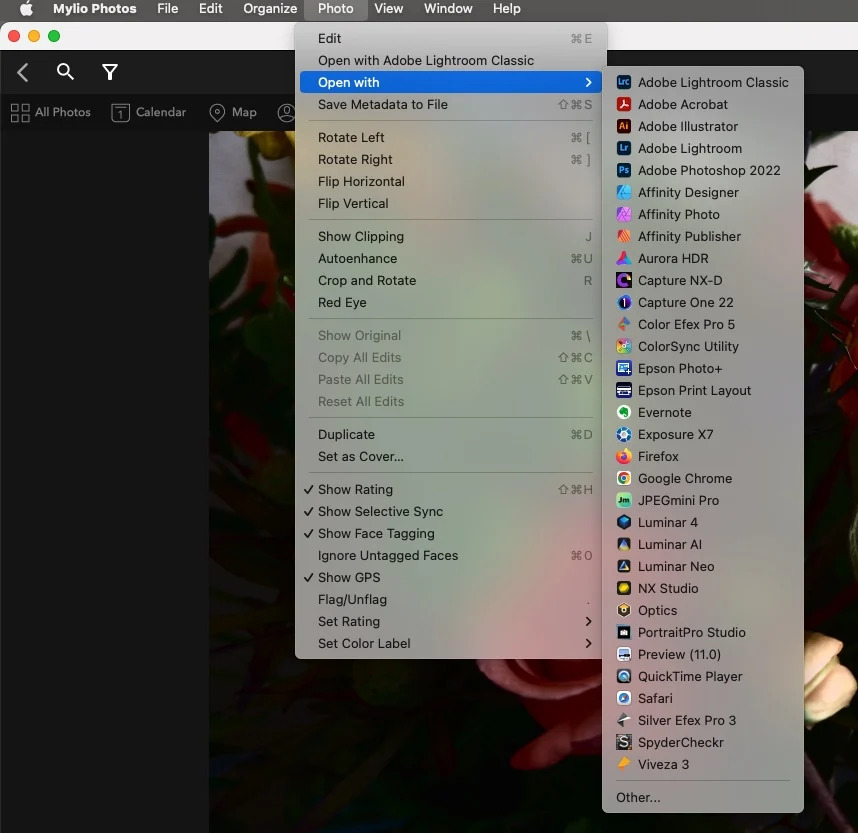
You will need particular software to read the RAW images on your computer.

Now to the huge advantage: Even though it is taking up more memory, you are storing every single pixel of data and the maximum number of shades per colour that is possible – limited only by your camera specifications.

For one thing, this means a greater variety of colours are stored in the data, which means a more realistic representation in the photo when compared to the real-life original.

Also, RAW images have a higher dynamic range. Dynamic range is how far the brightest point in the photograph can vary from the darkest point, while still maintaining all the detail in the image. The higher the dynamic range, the greater the contrast you can record between light and dark areas.

Finally, although RAW photos are not usually as sharp or colour corrected in appearance as a JPEG image recorded by a camera, this is actually a benefit, as it allows the photographer greater control when they edit the images later on, rather than allowing the camera to make limited “auto” adjustments, as it does when saving to JPEG format.

So what does this mean to you in practical terms?

Ultimately, the more data you have to describe your image, the more control and ‘fine-tuning’ you can achieve when you are editing the image later.

As we mentioned above, you do have to import RAW images into a suitable software program – such as Photoshop – but if you are shooting in RAW format then it is because you want to edit your photos, so you will no doubt be using a program like this anyway.

RAW images cannot be processed in-camera – you must export them to a software package to edit. Another plus point of RAE images is that they are read-only; when you edit a RAW image, the result is exported and saved as a JPEG, PNG, TIFF or another image format, but the original RAW data remains unchanged.

This means that you will always have the original, unedited photo to refer back to in the future. Read More…

Previous Post

10 Best Mobile Photography Tips 2022 

Next Post

7 Street Photography Rules That Should Be Broken

Comments