The Complete Lowdown on Kayaking
-
 Loading...
 - Jose Santos
- 27 Jul 2022
- 109 Views
- 0 Like
- 0 Comment
What is Kayaking?
First things first, allow us to clear the air by telling you that kayak and canoe are not the same things. While the difference between the two isn’t huge, it’s still there, and it’s crucial to know how to distinguish the two.
What separates kayaks from canoes is the sitting position. When kayaking, you’re sitting facing forward with your legs extended in front of you. When canoeing, you’re kneeling or resting on the bench situated across the vessel’s beam. The other differences include the kayak’s low-positioned construction and canoe’s high sides, and kayak’s two-bladed paddle as opposed to the canoe’s paddle with a single blade.
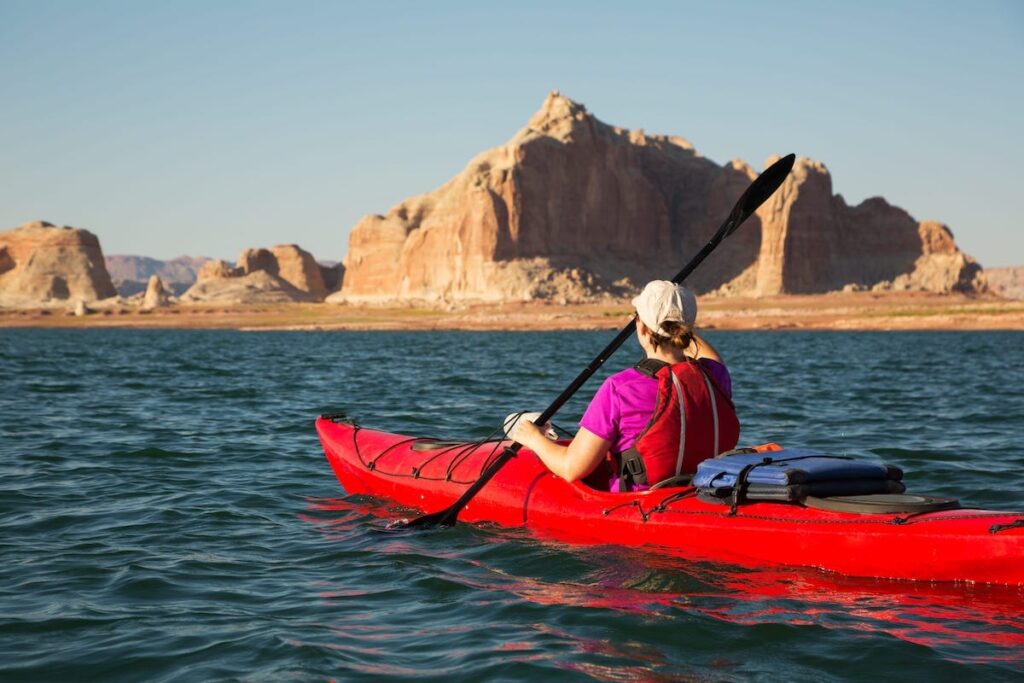
Now that you know what separates the two watercraft that are often compared to each other, we can get back to defining kayaking. In essence, it’s an act of making strokes with two paddles in a narrow boat equipped with either one or two cockpits and a covered deck. Every stroke helps you propel through the water, which, as you’ve guessed it by now, means you’re kayaking.
There are plenty of ways to get the taste of the sport. The easiest of them all is to sing up for a class where you’ll get the fundamental theoretical and, most importantly, practical knowledge of kayaking. Once you get acquainted with it, you can enroll in a group tour where you’ll be able to paddle your way into the local kayaking community and, of course, hone your skills.
Finally, when you feel ready to go solo, consider renting (or, if you’ve come to realize that your life won’t ever be the same without kayaking regularly, investing in your own) kayak.
Why Should I Try Kayaking?
The real question here should be ‘why shouldn’t you try kayaking?’ In all seriousness, though, we are confident that this sport is for everyone with no exceptions. From being a great way to rewind on a day off to an eco-friendly way to explore a new area, the advantages of this recreational pursuit are too many to count. But we’ll try.
Kayaking is a perfect alternative to cardio workouts. We’d go as far as to say that it’s a much more beneficial exercise. With cardio, you are prone to a variety of injuries including joint pains, shin splints, and stress fractures. With kayaking, none of it poses any danger to you. Instead, you’re getting a high-intensity workout with minimum impact on your joints and tissues. Besides, you’re also strengthening your shoulders, arms, back, and chest muscles. It’s the most inclusive exercise of all.
Kayaking can be done in every type of water. Sure, catching waves on a surfboard is fun, but can you catch them in the river? The same goes for diving, jet-skiing, and, you name it – a lot of other water activities too. With kayaking, you can launch your equipment from any shore, riverside, or dock and paddle in lakes, rivers, seas, and oceans. The best part – you can bring it with you on your travel adventures to explore the most breathtaking destinations.
Kayaking is a great bonding activity. If you run out of ideas on how to spend a good time with your friends and family, kayaking might be your inspiration light bulb. It can be a centerpiece to your weekend getaway where racing in pairs down the river is followed by a picnic on the shore of the river. You can make it as challenging or relaxing as you want it to be.
Getting Started: Types Of Kayaks
Just like with any kind of equipment, there are a handful of kayaks suitable for different needs. Depending on whether your goal is to explore the surroundings, catch some fish, or paddle with your furry friend sitting in front of you, your kayak of choice will differ. To get a better idea of what type of kayak will work the best for you, keep on reading.
Sit-on-top kayak: best for beginners
For starters, we have the most widely used kayak that is easy to get in and out of, hence why it’s perfect for newbies. This wide boat features an open cockpit and a non-enclosed seat, both of which are designed for those who don’t mind squeezing a swimming or a snorkeling session in the middle of the ride.
Side note: be wary of the type of clothes you wear as you’re likely to get wet from water splashes. Read More...