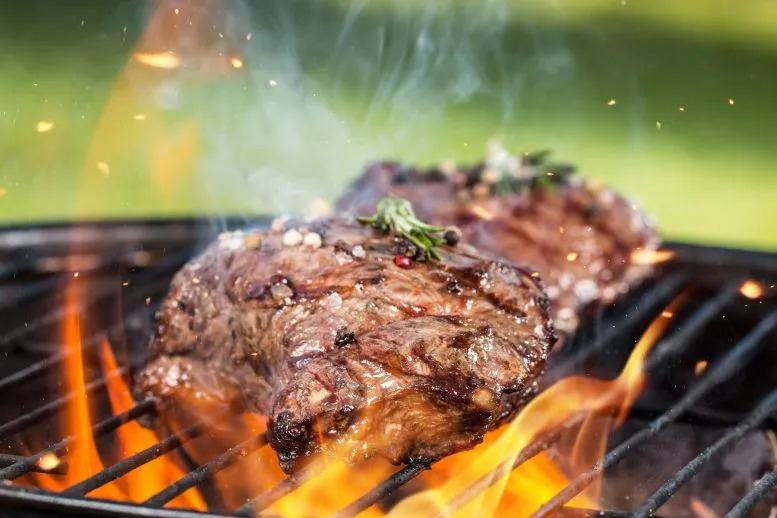
The Chemistry of Cooking Over an Open Flame: What Makes Smoky, Charred Barbecue Taste So Good?

Just the mere thought of barbecue’s smoky scents and intoxicating flavors is enough to get most mouths watering. Summer is here, and for many people that means it is barbecue season.
I am a chemist who studies compounds found in nature, and I am also a lover of food – including barbecue. Cooking on a grill may seem simple, but there is a lot of complex chemistry that sets barbecue apart from other cooking methods and results in such a delicious experience.
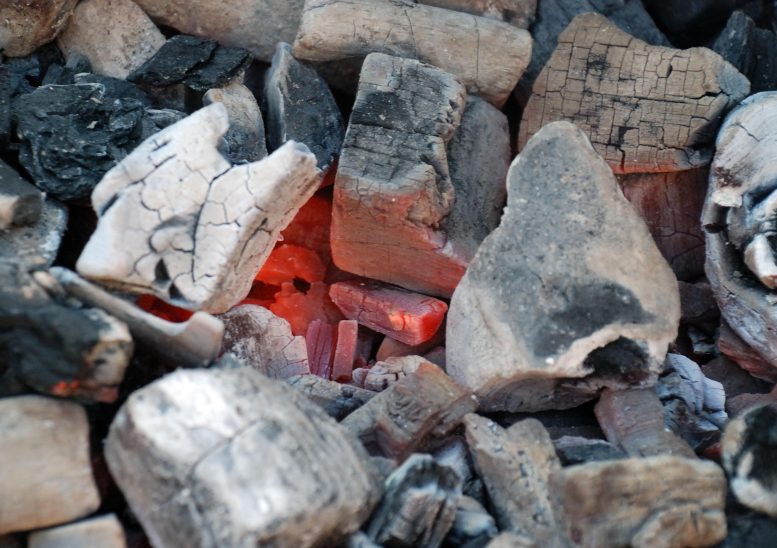
Cooking with fire
First, it is important to define barbecue because the term can mean different things in different geographic locations and cultures. Barbecue, at its most basic, is the cooking of food over an open flame. What distinguishes barbecue from other cooking methods is how heat reaches the food.
On a barbecue, the hot grill grates heat the food via direct contact through a process known as conduction. The food also warms and cooks by absorbing radiation directly from the flames below. The combination of heating methods allows you to sear the parts of the food touching the grill while simultaneously cooking the parts that aren’t touching the griddle – like the sides and top – through radiating heat. The resulting range of temperatures produces a complex mixture of flavors and aromas. In contrast, when cooking on a stovetop, there is much less radiation and most of the cooking is done where the food is in direct contact with the pan.
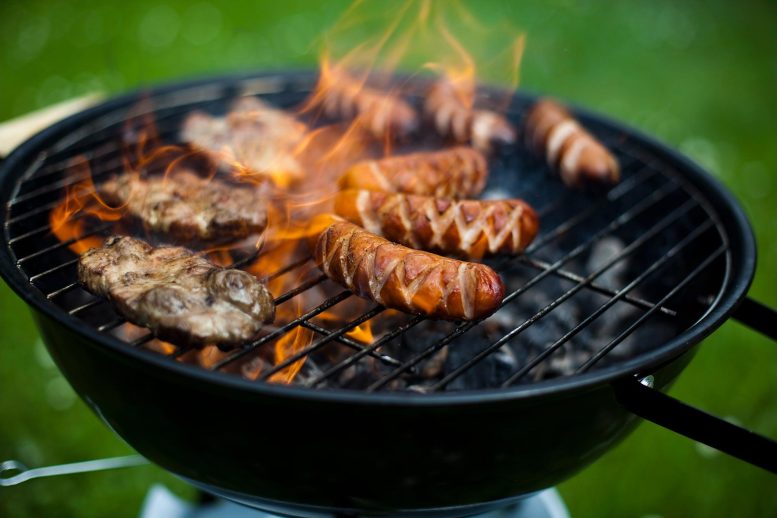
When barbecuing, you can either put the food directly above the flames – what is called direct heat – or farther away on indirect heat. The direct cooking method subjects the food to very high temperatures, as the grilling surface can be anywhere from 500 to 700 degrees Fahrenheit (260 to 371 °Celsius). The indirect cooking method places the heat source to the side of the food or far below, exposing the food to temperatures around 200 to 300 °F (93 to 149 °C).
Cooking is the process of using high temperatures to drive chemical reactions that change food at a molecular level. When you cook meat at higher temperatures – like over direct heat on a barbecue – the first thing to happen is that water near the meat’s surface boils off. Once the surface is dry, the heat causes the proteins and sugars on the outside of the meat to undergo a reaction called the Maillard Reaction. This reaction produces a complex mixture of molecules that make food taste more savory or “meaty” and adds depth to scents and flavors. The reaction and the flavors it produces are influenced by many variables, including temperature and acidity as well as the ingredients within any sauces, rubs, or marinades.
A similar process occurs with vegetables. Barbecuing allows the water to evaporate or drip down without getting trapped by a pan. This keeps the vegetables from becoming soggy and promotes caramelization reactions. These reactions turn carbohydrates and sugars into smaller compounds like maltol – which has a toasty flavor – and furan – which tastes nutty, meaty, and caramel-like. Read More...