The Boozy History of Baba au Rhum
-
 Loading...
 - Bogdan Sidorov
- 23 Jul 2024
- 429 Views
- 0 Like
- 0 Comment
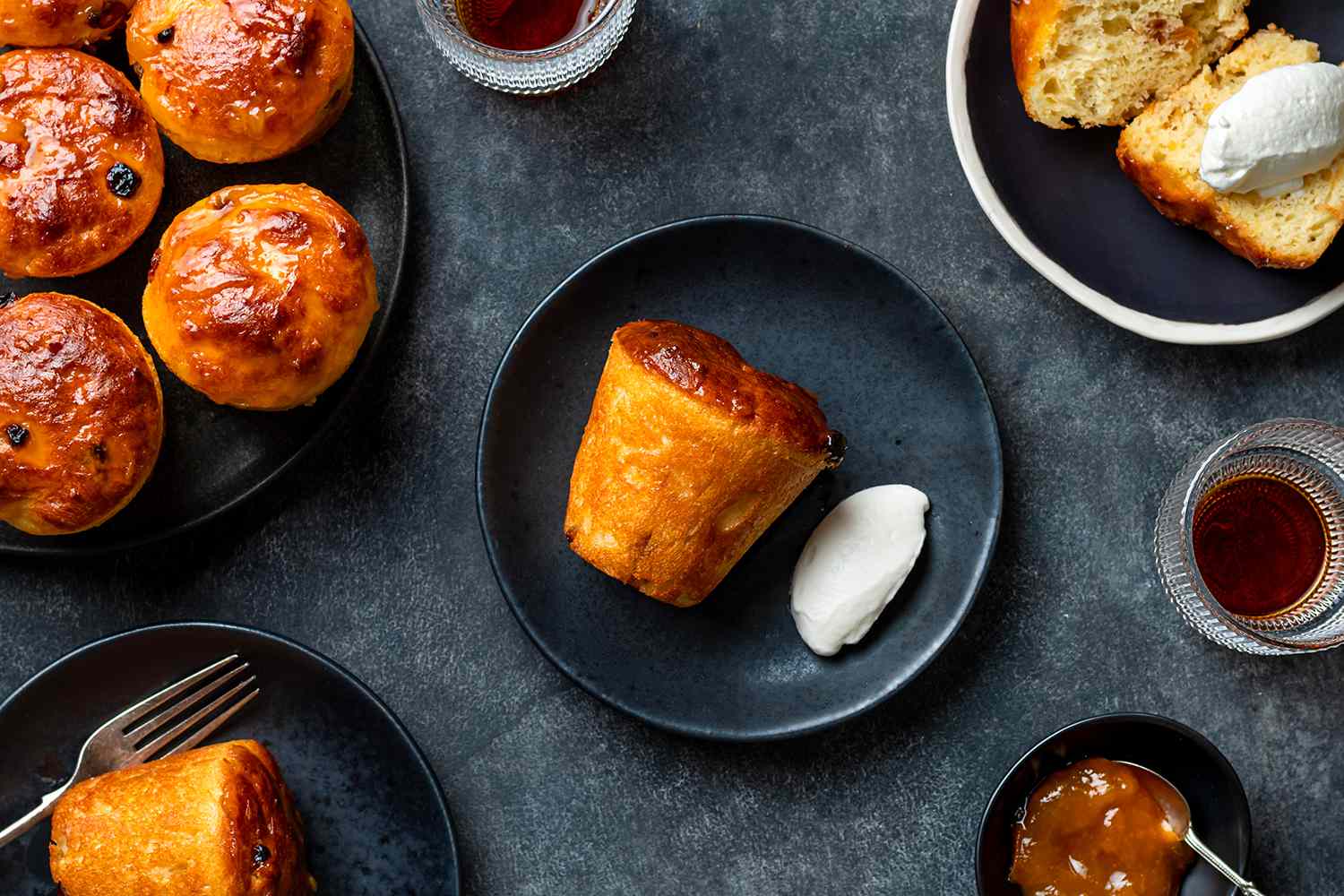
A trip to Paris would not be complete without trying a crispy vanilla cream-filled Napoleon, a generous slice of opera cake, or a bag of chouquettes or macarons. The French have an insatiable sweet tooth. Even though éclairs, crème brûlée, and tarte tatin can be found in every corner patisserie, every traditional bistro, and even the city's most prestigious Michelin-starred restaurants these days, only the baba au rhum receives the same amount of attention. Since its first consumption by Parisians in the early 18th century, the boozy dessert drenched in a rum syrup and served with a generous portion of Chantilly cream has remained popular.
"Baba au rhum isn't just a dessert; According to chef Hélène Darroze, "it's a testament to the timeless appeal of French pastry and a symbol of an enduring culinary heritage." At her acclaimed Parisian restaurant Marsan, the signature dessert is baba au rhum. She claims, "It is a true gem of French pastry-making, and it is no wonder that it has endured time." I honor and preserve a portion of my culinary heritage by making baba. Baba au Rhum, or rum baba, is a deliciously boozy dessert with a rich history that spans several countries and centuries. This delectable pastry, soaked in rum syrup and often filled with whipped cream or pastry cream, is a staple in French patisseries.
Dissimilar to many French treats that require a fragile touch from an expert baked good culinary specialist, the baba au rhum is excusing and reachable for the typical home cook. For that oh là là moment at the dining table, the purposefully dried-out cake is revived with alcohol and served unreservedly with a large amount of cream.
One of France's most beloved restaurants serves the most storied version of baba au rhum: Le Meurice by Alain Ducasse, chef. Ducasse, who is regarded as the forefather of French cuisine, is well-known for his haute cuisine and 21 Michelin stars, not to mention his baba au rhum. While he serves the sweet in every one of his 34 cafés all over the planet, nothing beats the first Ducasse baba at Le Meurice. It is here, in the Beauty Époque-style lounge area in Paris' Hôtel Le Meurice, where the baba is served table-side with rare rums from the Caribbean. The dessert is light, delicate, and yes, more boozy than usual. However, the baba au rhum is far from the most opulent dessert available to the French.
"The French are notable for baked goods and legitimately adulated for their creativity in this space. Artistry, like other aspects of French cuisine, is essential, according to the author of Savoir-Faire: A Background marked by Food in France says. " The fixings might be straightforward, like utilizing flour, spread, sugar, yet when impeccably executed, they are an eye for magnificence."
A tasty history Despite the fact that the dessert known as baba au rhum does not appear to have French roots because the word "baba" is a Persian honorific, the French do claim it. The original pastry shop in Paris, Stohrer, still exists. In 1730, French pastry chef Nicolas Stohrer started selling his famous baba au rhum. Today, the shop still serves tens of thousands of rum cakes every year to tourists and locals with uncontrollable sweet tooths.
Stanislaus's daughter, Marie Leszczyńska, married King Louis XV of France, bringing the recipe for the transformed babka with her to the French court. French pastry chefs quickly adopted and refined the recipe, incorporating rum, which was more readily available in France's Caribbean colonies.
Today, Baba au Rhum is enjoyed worldwide, with various adaptations and presentations. In some versions, the cake is filled with pastry cream or fruit preserves. The rum syrup can also be infused with citrus zest or vanilla for added complexity. Some modern interpretations even use other spirits, like bourbon or brandy, for a unique twist on the classic.
From the royal courts of Poland to the patisseries of Paris, Baba au Rhum's journey is a testament to the rich history and cultural exchange that can shape culinary traditions. This boozy, indulgent dessert continues to delight dessert lovers with its moist texture, rich flavors, and a touch of history in every bite.