The 7 best national parks in Bolivia, from salt flats to steamy jungles
-
 Loading...
 - Kathy Grant
- 08 Mar 2022
- 407 Views
- 0 Like
- 0 Comment
Around La Paz, Bolivia's administrative capital, towering Andean peaks rise to 6000m (19,685ft). As you head east, the landscape drops to the Yungas cloud forests, which eventually flatten out into steamy jungles in the Amazon Basin.
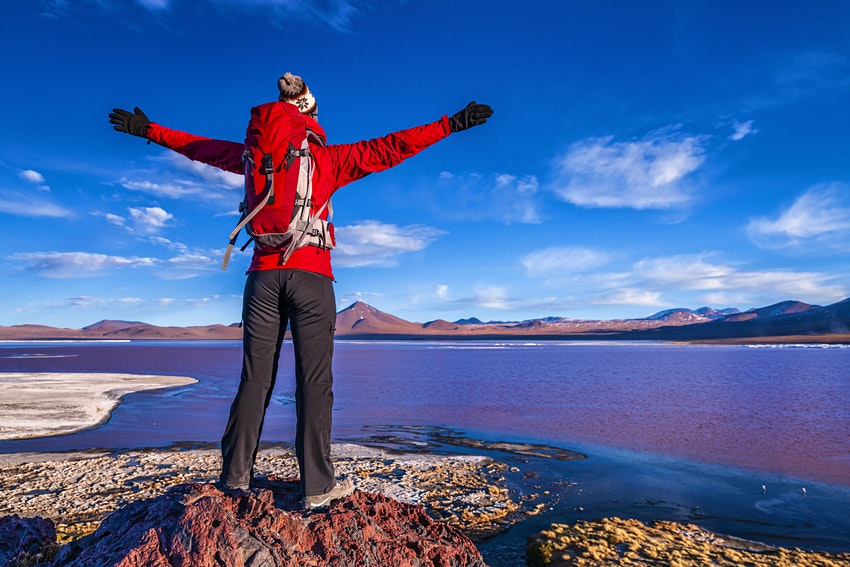
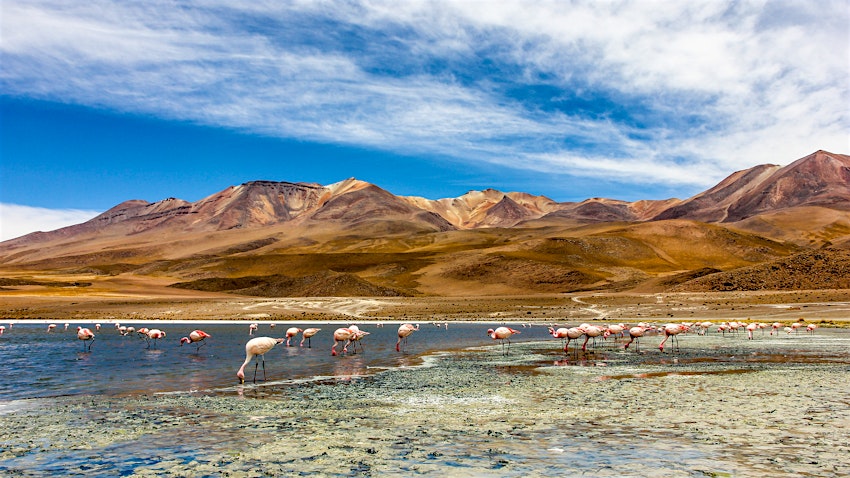
In the far east are the semi-arid forests of the Gran Chaco – spilling over into neighboring Paraguay and Argentina – where big cats lord over herbaceous, cactus-studded scrublands. In the southwest is the cloud-hugging altiplano – a wild, almost treeless plateau, home to desiccated salt flats, tempestuous volcanoes and prismatic flamingo-filled lagoons.
No matter which way you turn in Bolivia, you’re sure to find a national park with the kind of blockbuster nature that few places on earth can top. Sure, the roads may be bumpy, the altitude draining, and the infrastructure limited (or even non-existent), but low-level ecotourism may be the best way to keep these parks as raw and wild as you find them right now.
Here's our guide to Bolivia's best national parks.
Madidi National Park
Best national park for an Amazon adventure
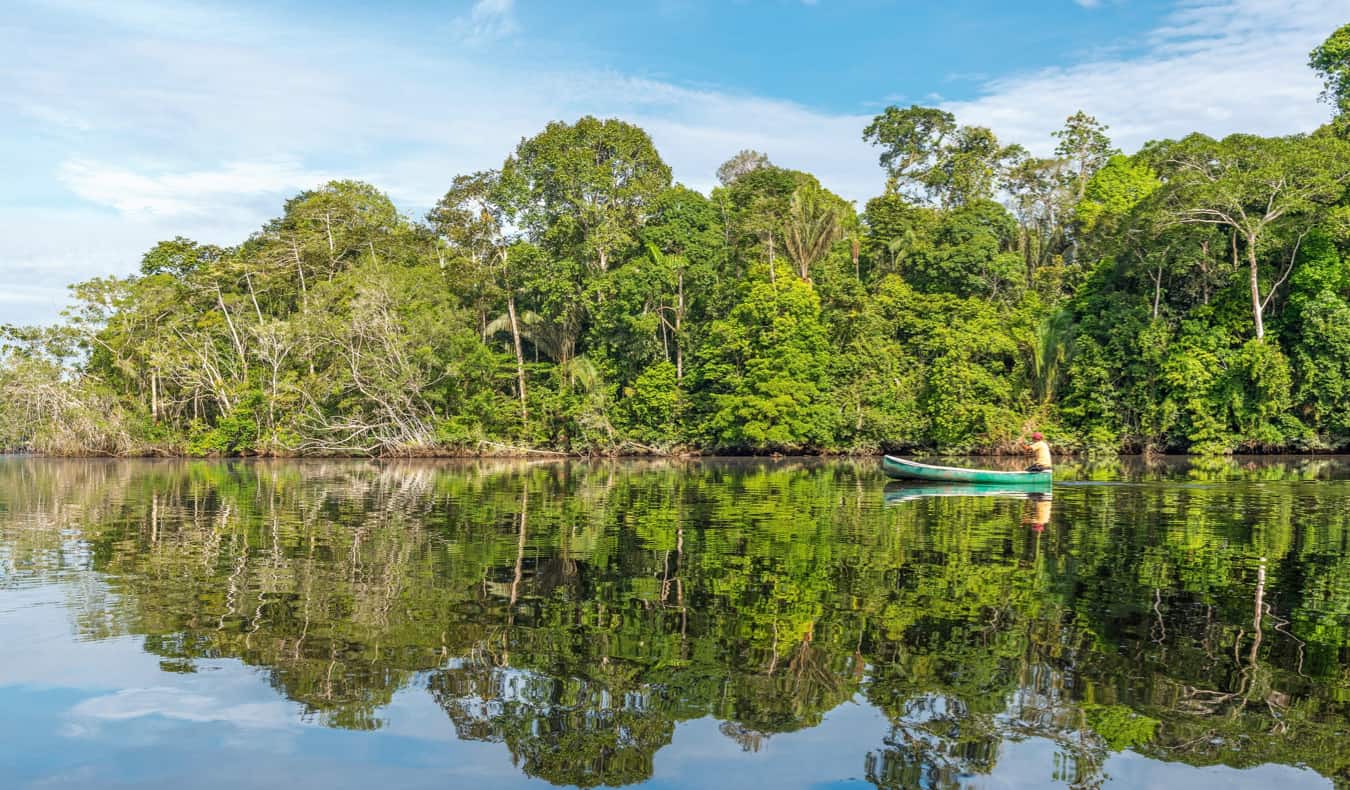
There's biodiversity, then there's Madidi National Park biodiversity. In June 2015, a team of scientists began a three-year mission to survey this 18,958 sq km (7320 sq mile) reserve to identify as many species as possible from its high-altitude cloud forests and steamy lowland jungles. They added a staggering 1382 plant and animal species to the park's list of inhabitants, including 124 species that were completely new to science.
As of 2022, the number of species documented in Madidi stands at 8524, making it perhaps the most biodiverse protected area on earth. The Identidad Madidi website has more on the myriad inhabitants of this wonderful reserve.
Travelers hoping to get a peek at this kaleidoscopic ecosystem typically base themselves at one of the community-based jungle camps near Rurrenabaque, including community-run Chalalán Ecolodge. From here, you can boat out to remote stretches of the Amazon Basin.
Days pass by in a sultry haze as you search for howler monkeys, tapirs and elusive jaguars. Madidi was the real-life setting for the survival story described in Yossi Ghinsberg's book, Jungle (and the 2017 film adaptation with Daniel Radcliffe) but fear not – Madidi isn't quite as dangerous as it’s made out to be!
Sajama National Park
Best national park for breathtaking volcano views
Bolivia’s oldest national park protects the nation’s highest peak, 6542m (21,463ft) Nevado Sajama, an extinct stratovolcano that attracts climbers from across the world. Gnarled queñua trees, an endemic and ancient altiplano species, climb up its slopes to 5000m (16,400 ft), making this the planet’s highest forest.
However, most of the park is covered in puna grasslands, which are mowed by resident guanacos and vicuñas (wild relatives of domesticated llamas and alpacas). There are also lagoons speckled pink with flamingos, ancient cave paintings, steamy hot springs and small villages inhabited by indigenous Aymara herders, many of whom work part-time in ecotourism.
Noel Kempff Mercado National Park
Best national park to escape from civilization
Remote and rarely explored, Noel Kempff Mercado National Park lies on the border with Brazil in one of the most pristine patches of forest still left in the Amazon Basin. Named after a renowned Bolivian environmentalist who was killed here in 1986 after stumbling upon a clandestine cocaine factory, the park encompasses more than 1.5 million hectares of rainforest, cerrado (savanna) and craggy escarpments.
With the near total lack of infrastructure, almost all visits are arranged by adventure outfits in Santa Cruz – Amboró Tours is one reliable operator. Before you set off, you must register your trip with Sernap, Bolivia's national park service. Adventurers who make the journey often carry a copy of Arthur Conan Doyle’s classic 1912 novel, The Lost World, which is believed to have been inspired by these primeval landscapes.
Toro Toro National Park
Best national park to walk in the footsteps of dinosaurs
In Bolivia, Toro Toro is synonymous with paleontology. Some 2500 fossiled dinosaur footprints are etched into this semi-arid plateau, most dating from the Cretaceous period about 120 million years ago. Visitors typically explore the tracks at Cerro Huayllas as part of a hike to the plunging Cañon de Torotoro, which is home to critically endangered red-fronted macaw.
The bottom of this canyon (which calls to mind Zion National Park in the US), holds crystalline swimming holes and sparkling waterfalls that tumble down moss-covered hills – all ideal places to cool off before the trek back up to the canyon rim. Read More...