The 10 best wild swimming spots in the UK
-
 Loading...
 - John Fraser
- 20 Apr 2022
- 330 Views
- 0 Like
- 0 Comment
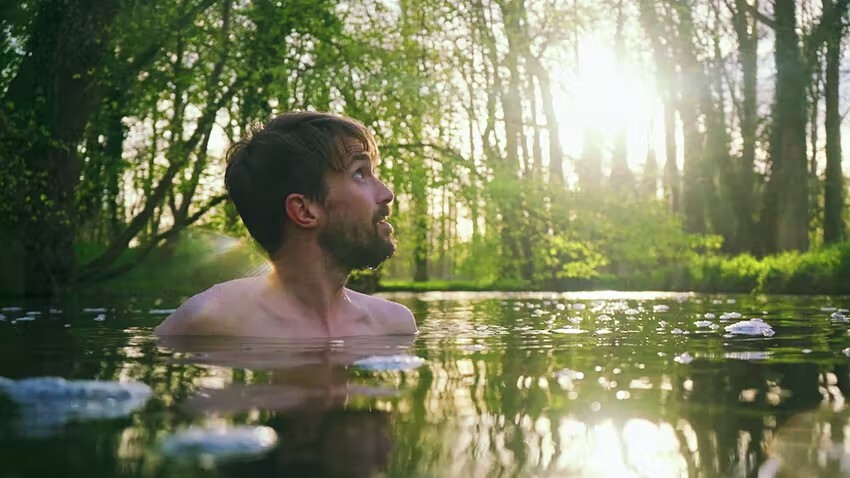
Google searches for wild swimming continue to grow (a Google search for "what is wild swimming" tells it is the practice of swimming for pleasure in natural waters, typically rivers and lakes). The UK’s Outdoor Swimming Society (founded in 2006) has over 100,000 members after a large increase in interest during the Covid-19 pandemic, when close-to-home adventures became all important.
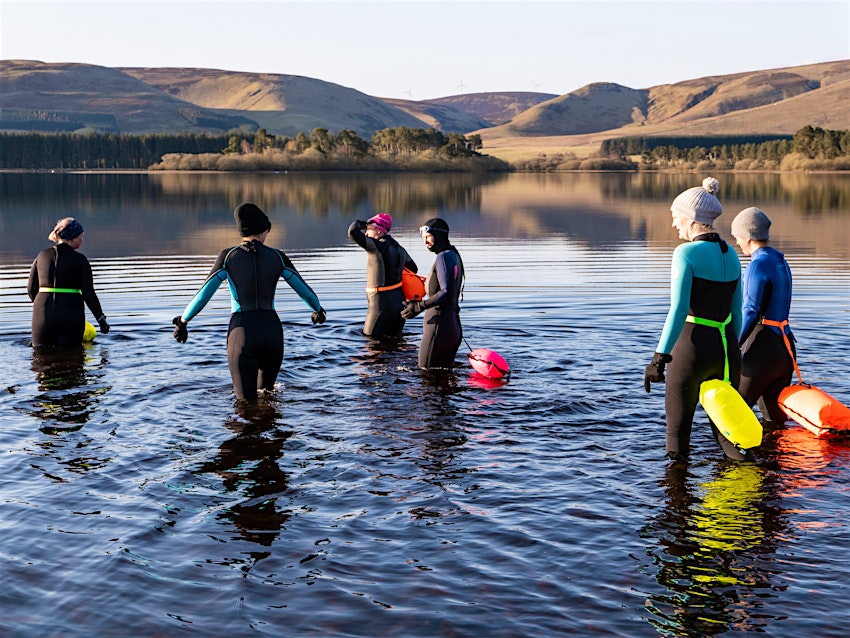
My love of taking a dip stems from regular swims in London’s Hampstead Ponds and an obsession with Waterlog, the late naturalist Roger Deakin’s classic book about the joys of wild swimming. My own book, Floating: A Life Regained, retraced Deakin’s seminal text, and took me across the UK in a search for invigorating swims and a chance to feel the cool, calming effect of the water for hours after I’d dried off and headed home.
Whether it’s your first time braving the waves or you’re a pond-dipping pro, here are some of my favourite outdoor swimming spots to take the plunge in the UK.
River Waveney at Geldeston Locks, Norfolk
Marking the border between the counties of Norfolk and Suffolk, the Waveney flows lazily through water meadows towards this idyllic swimming hole close to The Geldeston Locks pub. A favourite spot of Waterlog author Roger Deakin, tresses of weed sweep on the current just beneath the surface and the surrounding thickets of tall poplar trees sway in the breeze.
Swimmers can drop in from a boat launching post or leave their kit on a handy bench and slide in where the bank slopes gently towards the river.
Make it happen: The Locks are an 18-mile drive from the city of Norwich.
Loch An Eilein, Scotland
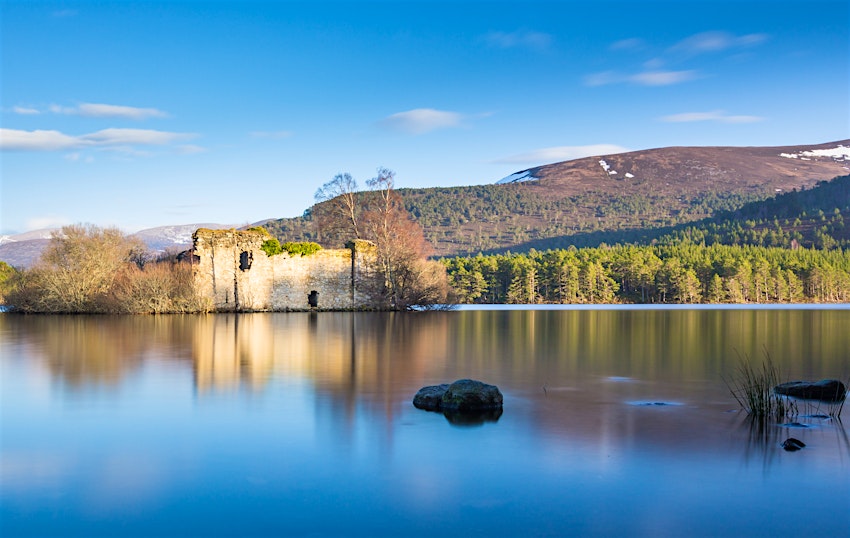
Set within the beautiful Rothiemurchus Forest in the Cairngorms National Park, Loch An Eilein is a swimmer’s dream. A small island, with a ruined castle that's home to a parliament of rooks, is within easy swimming-distance of the footpath on its western shore.
Once in the water, the frog’s-eye views across to the mountains of the UK’s wildest region are spectacular – just make sure you have a hot drink to help you warm up afterwards.
Make it happen: The famous resort of Aviemore is a 5-mile drive away. Aviemore is a 30-mile drive southeast from Inverness.
Treyarnon Tidal Pool, Cornwall
Set within the rocks overlooking the sandy beach of Treyarnon Bay, this perfect pool is filled by the outgoing tide, leaving a natural swimming hole that’s ripe for summer fun. Deep enough for jumping on the cliff-side and long enough for swimming lengths, it offers sensational views across the wild Atlantic Ocean. Bring goggles and you might even catch a glimpse of a starfish. Don’t be tempted to get in when the tide is rising and the pool starts to disappear between the waves. It’s only safe to swim here at low tide.
Make it happen: Treyarnon Bay is a ten-mile drive north of the resort town of Newquay.
Bryher, Isles of Scilly, England
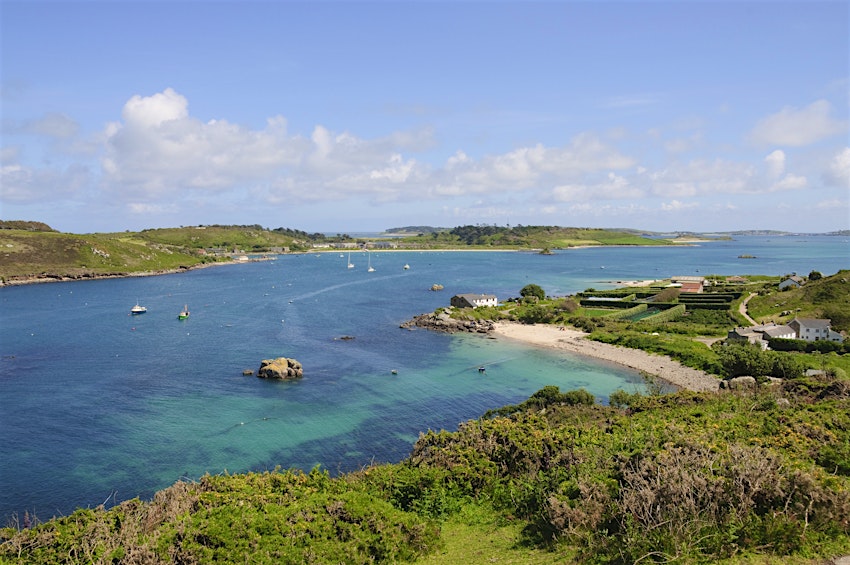
Sweeping white sandy beaches and azure water are not something you tend to associate with the UK. But these features are a mainstay on the Isles of Scilly. Located 25 miles off the coast of Land’s End, all of Scilly’s islands are stunning. But Bryher, just 2.5 miles-long and half-a-mile wide, has the best swimming.
The water is icy cool, so pull on a wetsuit and swim out to the kelp forests which sway just beneath the surface. A sunset dip here is unbeatable.
Make it happen: Bryher is a short boat ride from the main island of St Mary’s. The latter can be reached via ferry from Penzance or a light aircraft from various airfields across Cornwall.
Loch Tarbert, Jura, Scotland
Not to be confused with the loch of the same name on the Scottish mainland, Jura’s Loch Tarbert almost cuts this wonderfully-secluded Hebridean island in two. The best swimming is found in its sheltered eastern end, accessible by a wide footpath which snakes down from the island’s only road.
The water here is pleasingly wild, with deer stalking across the tussocky hills and the Paps, Jura’s famous trio of peaks, looming on the horizon on a clear day.
Make it happen: Take a ferry to the neighbouring island of Islay from the mainland port at Kennacraig (two hours west of Glasgow), before hopping on the "wee ferry" across to Jura. Be aware that ferry times vary throughout the year. Read More...