Thai Cooking Guide: 20 Traditional Thai Ingredients
-
 Loading...
 - Akinari Sato
- 17 Mar 2022
- 397 Views
- 0 Like
- 0 Comment
As with any national cuisine, it’s tempting to believe that the full breadth of Thai cooking can be boiled down to the average Thai restaurant’s menu—pad thai is only one entry point to this spicy, citrusy, herbaceous cuisine. Thai food is typically understood in five regional expressions running north to south, and individual preferences and styles mean thousands of different interpretations. Luckily, recurring techniques and staple ingredients underpin each of the regional Thai cuisines.
20 Traditional Thai Ingredients
To cultivate a better understanding of Thai cuisine, start with these pantry staples, all of which you can find online or in Asian grocery stores:
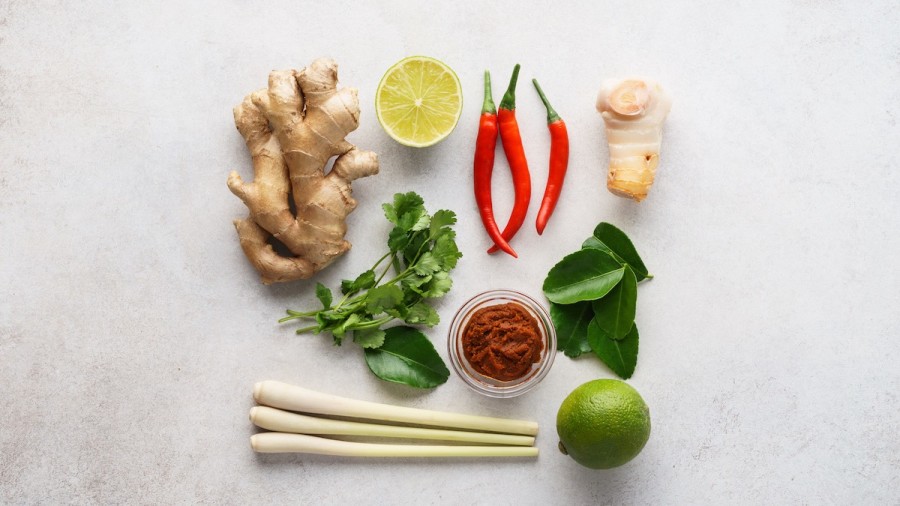
1. Chilies: Chilies (phrik) are integral to Thai cuisine, providing a lightning strike of clarity through the muggy, tropical South Asian heat. Chilies are used as condiments, seasoning, and as a component to even the most basic of curry pastes. Fiery bird’s eye chilies (phrik khi nu) come in both green and red varieties. Dried red chilies come in long, skinny forms (phrik chi fa) and as tiny, heat-packing sizes that fit in your palm (phrik haeng). You can substitute most in a pinch—green serrano peppers will work if you can’t find bird’s eye chilies, for example—but tracking down the real thing will prove how much multifaceted value each variety brings to the table.
2. Fish paste: An appreciation for the elusive “fifth taste,” umami, is alive and well in Thai cuisine. The best way to build it is with fermented products. For delivering that unbeatable undercurrent of umami, nothing beats a few dashes of fish sauce (nam pla). Made from salted and fermented fish—strong-flavored fish like anchovies or mackerel that has been aged for up to two years—the high-quality fish sauce is simultaneously salty, sweet, and savory. Use it in marinades, dipping sauces, or dressings, or serve it as a condiment with chopped chilies alongside noodles or rice dishes.
3. Shrimp paste: Pungent, salted shrimp paste (kapi) is a powerhouse of flavor and acts as a building block for curry pastes or seasoning in dishes like fried rice.
4. Dried shrimp: Tiny, dime-sized dried shrimp (kung haeng) are mixed into curry paste or ground in a mortar and pestle for green papaya salad. Equal parts crunchy and chewy, dried shrimp are also an integral seasoning in Chinese, Korean, Burmese, and Vietnamese cooking.
5. Oyster sauce: Oyster sauce (nam man hoi), a thick, sweet, and salty sauce made from caramelized oyster liquor, is most commonly found in the cuisine of central Thailand, where Chinese influences are most prevalent. Use it to lend a boost of brine when glazing stir-fried meats and vegetables like broccoli or eggplant.
6. Coconut: Coconut is among the first ingredients that come to mind when people think of Thai food. The mellow fruit provides a lush texture to curries and soups, and its fatty, dairy-esque cooling properties restore balance to even the spiciest of dishes. The use of coconut is less common in Northerneastern Thailand’s cuisine. For example, in Isan, the fresh, lighter cooking style is best exemplified by its green papaya salads (yam) and barbecue.
7. Spices and spice blends: While chilies deliver heat, spices round out how we experience that heat. Whole coriander seeds, white peppercorns, ground turmeric, black cardamom, cumin, fennel seed, and curry powder all play a role in building the seamless tour de force of any Thai dish. Spices lose their pungency the longer they sit, so stock the freshest jars you can, and avoid buying in bulk unless you have plans to use all of the spices.
8. Soy sauce: Thai cooking utilizes three different soy sauces—light, sweet, and dark. Light soy sauce, also known as thin soy sauce, is the most commonly used soy sauce in Thai cooking. Thai soy sauce is used as a dipping sauce for dishes like khao man gai, poached chicken with rice. Sweet soy sauce is a major component in stir-fries and noodle dishes, while dark soy sauce imparts color and a light sweetness into dishes like pad see ew. Read More…