Sweden’s Wolf Hunt Starts, Aims to Halve Population
-
 Loading...
 - Dacre Reid
- 31 Jan 2025
- 34 Views
- 0 Like
- 0 Comment
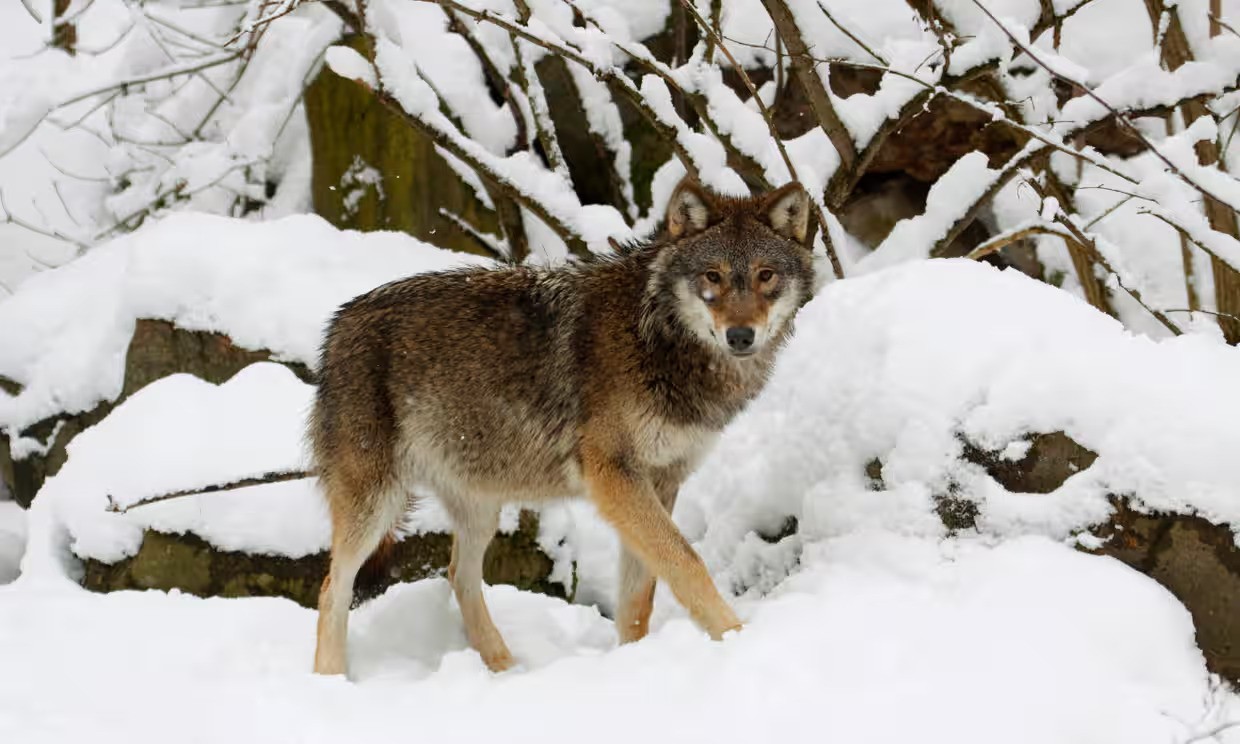
Sweden has officially commenced its 2025 wolf hunt, targeting the culling of 30 wolves between January 2 and February 15. As of January 2, hunters had already shot 10 wolves (Canis lupus), according to reports from Sweden Herald.
Recent estimates indicate that the wolf population in Sweden stands at approximately 375, reflecting a nearly 20% decline from 2022. The Swedish Environmental Protection Agency (SEPA) previously suggested that a sustainable population for “favorable conservation status” would be around 300 wolves. However, in October 2024, the Swedish government announced plans to further reduce the minimum population threshold to 170 in the coming years.
The government has issued licenses for the hunting of 30 wolves in 2025, with an additional allowance for 20 more if they are deemed a threat to life or property. Officials argue that wolves pose a risk to farmers’ livestock, domestic dogs, and even human safety. Some hunters contend that culling is essential to control the wolf population and mitigate conflicts with livestock.
Despite the government’s stance, wildlife conservation groups and scientists have raised significant concerns about the implications of hunting wolves. They argue that such actions could “dramatically threaten” the already fragile status of the species in Sweden, which experienced a complete absence of a breeding wolf population from 1966 to 1983. Critics assert that culling does not effectively address livestock predation issues.
Benny Gäfvert, a carnivore expert at WWF Sweden, stated that the European Commission’s analysis found no evidence that culling wolves reduces livestock attacks. In fact, research suggests that killing wolves can lead to increased predation on livestock, as the disruption of wolf packs forces younger wolves to seek food independently, making them more likely to target livestock.
Magnus Orrebrant, chair of the Swedish Carnivore Association, emphasized that wolf-livestock conflicts are not as significant in Sweden as portrayed. He criticized the government for prioritizing culling over implementing coexistence measures that could mitigate conflicts. Orrebrant noted that anti-wolf sentiment is largely driven by hunting organizations, which receive government subsidies for wildlife management but often use these funds to lobby against wolves.
Wildlife management decisions in Sweden are made at the county level, often influenced by delegations that are heavily weighted in favor of hunting interests. Journalist Misha Istratov highlighted that hunters are disproportionately represented among top political figures, further complicating the situation for conservation efforts.
Conservation groups have previously appealed to the European Commission and pursued legal challenges against the wolf cull quotas in Swedish courts. However, Orrebrant expressed frustration, stating that “the Swedish courts are listening to political agendas and overruling our complaints.”
The anti-wolf sentiment is not confined to Sweden. In December 2024, the Standing Committee of the Bern Convention, which oversees wildlife protection in the EU, voted to downgrade the wolf’s status in Europe from “strictly protected” to “protected,” citing claims that wolves pose a danger to livestock. The European Ombudsman is currently investigating whether this claim is supported by scientific evidence.
The commencement of Sweden’s wolf hunt has reignited debates over wildlife management, conservation, and the balance between agricultural interests and ecological preservation. As the hunt progresses, the implications for the wolf population and the broader ecosystem remain a contentious issue, drawing attention from both national and international stakeholders. The ongoing conflict between hunting interests and conservation efforts highlights the complexities of managing wildlife in a way that respects both ecological integrity and human livelihoods.