Sweden's Riksbank cuts key interest rate
-
 Loading...
 - Ruth Huppe
- 27 Aug 2024
- 98 Views
- 0 Like
- 0 Comment
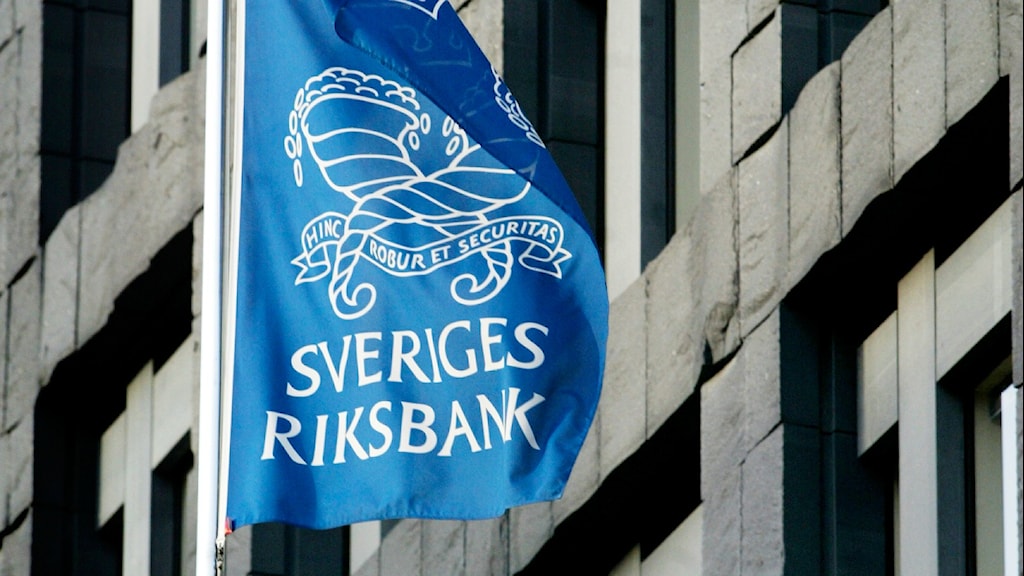
Sweden's Riksbank has taken decisive action to address the country's economic challenges by cutting its key interest rate from 3.75% to 3.50%. This marks the second reduction in borrowing costs this year as policymakers respond to weak economic growth and low inflation. The central bank signaled the possibility of up to three additional rate cuts in 2024, contingent upon maintaining control over price pressures.
The decision to lower rates is primarily driven by the recent decline in Sweden's inflation rate, which has now been below the Riksbank's 2% target for two consecutive months. Lars Jonung, professor emeritus at the Knut Wicksell Centre for Financial Studies at Lund University, noted that this proximity to the inflation target was a key factor in the bank's decision.
In addition to inflation concerns, Sweden's broader economic context is also influencing the Riksbank's more dovish outlook. The country is currently experiencing a recession, marked by high unemployment rates—among the highest in the European Union—and weak economic growth. Businesses, constrained by high borrowing costs, have reduced their hiring, further exacerbating economic sluggishness.
Andrew Kenningham, chief Europe economist at Capital Economics, highlighted that the Riksbank's shift in policy is partly a response to disappointing GDP data for the second quarter, which showed a 0.8% contraction compared to the previous three months. This economic weakness has particularly affected interest rate-sensitive sectors, including household consumption, which has been performing poorly.
Sweden's sensitivity to interest rate changes is heightened by its reliance on international trade and the high level of household debt. As interest rates rise, so do mortgage payments for many Swedes, leading to a reduction in consumer spending, which further dampens economic growth.
Currency fluctuations also play a significant role in Sweden's monetary policy. Pär Österholm, Professor of Financial Economics at Örebro University School of Business, explained that while the Riksbank does not have a specific target for the krona's exchange rate, currency depreciation can impact inflation by increasing the cost of imports. This dynamic was acknowledged in the Riksbank's recent press release, underscoring the complexity of the factors influencing its policy decisions.
Overall, the Riksbank's rate cut reflects a strategic effort to stimulate the Swedish economy while keeping inflation in check, with further easing on the horizon if economic conditions warrant it.