Strategic plans set to secure wildlife corridors
-
 Loading...
 - Iddi Kibona
- 19 Sep 2022
- 76 Views
- 0 Like
- 0 Comment
The government is strategising to secure wildlife corridors that have been extensively blocked countrywide, leading to wild animals killing, injuring people and destroying properties and crops.
Senior government officials signalled hope to achieve the target through participatory approach among stakeholders for security of the people living near national parks and conserved areas, safeguard the environment and keep safe the people who would otherwise be attacked by the animals when they go back to the blocked corridors.
The Director of Wildlife in the Ministry of Natural Resources and Tourism, Dr Maurus Msuha said over the weekend that many corridors have been blocked by people setting up residences, adding that effects have been negative, as animals, such as elephants remember and go back through the corridors, even after many years, hence attacking and killing people.
“Blocking the corridors has been going on from time to time, but now we have come to a time that we should take action to unblock them. This is a participatory approach, by working with stakeholders, because we have to safeguard lives of people as well as of the animals,” said Dr Msuha.
He was speaking to journalists at his office in Dodoma at a visit organised by the Journalists’ Environmental Association of Tanzania (JET) under the United States Agency for International Development (USAID) Tuhifadhi Maliasili project.
Maintaining, restoring and protecting wildlife corridors is a critical conservation intervention at times of unprecedented habitat fragmentation. Corridors serve primarily to maintain viability of isolated populations while ensuring ecosystem functionality and harmonizing conservation and development needs.
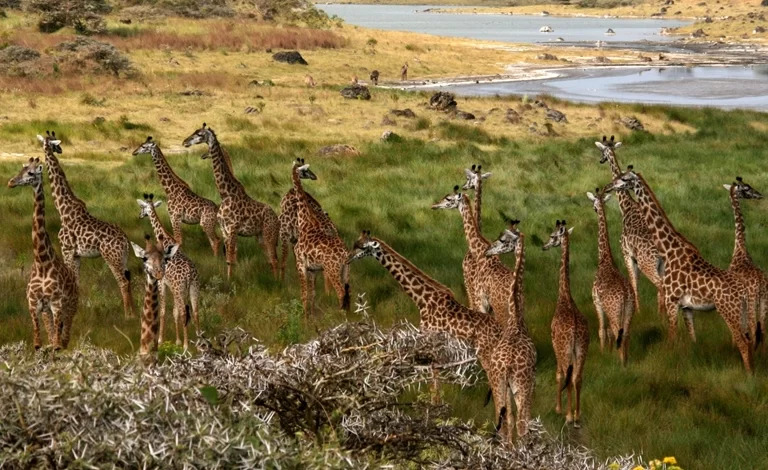
Dr Msuha noted that the issue of wildlife corridors is a straight forward one, given the fact that land size has remain the same while population increases. He expounded that conservation is pertinent in national parks, conserved areas and generally all over the country as wild animals tend to move from place to place for different needs.
He gave an example of animals, such as wild beasts relocating from Tarangire National Park to Simanjiro plains during long rain stints to give birth and take care of their calves as well as get grass with the right nutrients. Zebra also relocate from Serengeti for some reasons. Read More…