South Korea to focus on conservation of marine environment and biodiversity

South Korea's Minister of Oceans and Fisheries, Kang Do-hyung, emphasized the critical importance of conserving the marine environment and biodiversity for sustainable economic growth during a press conference in Seoul. He highlighted that a well-preserved environment is essential for building and maintaining economic wealth, stressing that without proper conservation of the marine environment, the balance between economic development and environmental health would be disrupted.
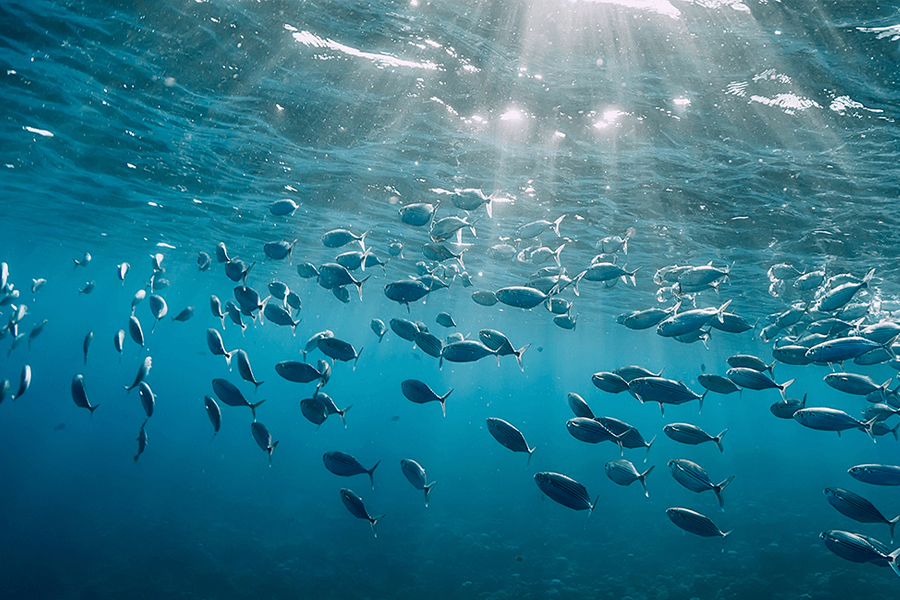
Minister Kang outlined several initiatives aimed at preserving marine biodiversity and addressing climate change. The ministry plans to designate 30% of South Korea's ocean territories as protected marine areas, aligning with global efforts to protect 30% of land and ocean areas by 2030. This move is part of a broader international trend focused on biodiversity conservation.
To combat climate change, the ministry is increasing its focus on "blue carbon," which refers to carbon captured by marine ecosystems, such as algae and marine organisms. The plan is to absorb approximately 1.36 million tons of carbon emissions by 2050 through these natural processes. Currently, the ocean absorbs about 23% of global greenhouse gas emissions, making it a crucial component in mitigating climate change.
In addition to these efforts, the ministry has introduced a fishing gear deposit system to reduce marine plastic pollution. This system incentivizes fishermen to return used fishing gear by offering a refund on a deposit paid at the time of purchase. Given that discarded fishing gear and aquafarm waste make up the majority of marine waste in South Korea, this initiative is expected to significantly reduce pollution.
Since 2007, the ministry has also been promoting the use of biodegradable fishing gear, and since 2015, it has supplied over 30 million eco-friendly buoys to local fishermen. These efforts aim to create a sustainable and healthy marine environment for future generations.
Minister Kang reaffirmed his commitment to ensuring that South Korea's marine policies not only protect the environment but also contribute to the country's long-term economic prosperity by fostering a balanced relationship between ecological preservation and economic development.