South Korea’s Han Kang Wins Nobel Prize in Literature
-
 Loading...
 - Yichen Dong
- 16 Oct 2024
- 48 Views
- 0 Like
- 0 Comment
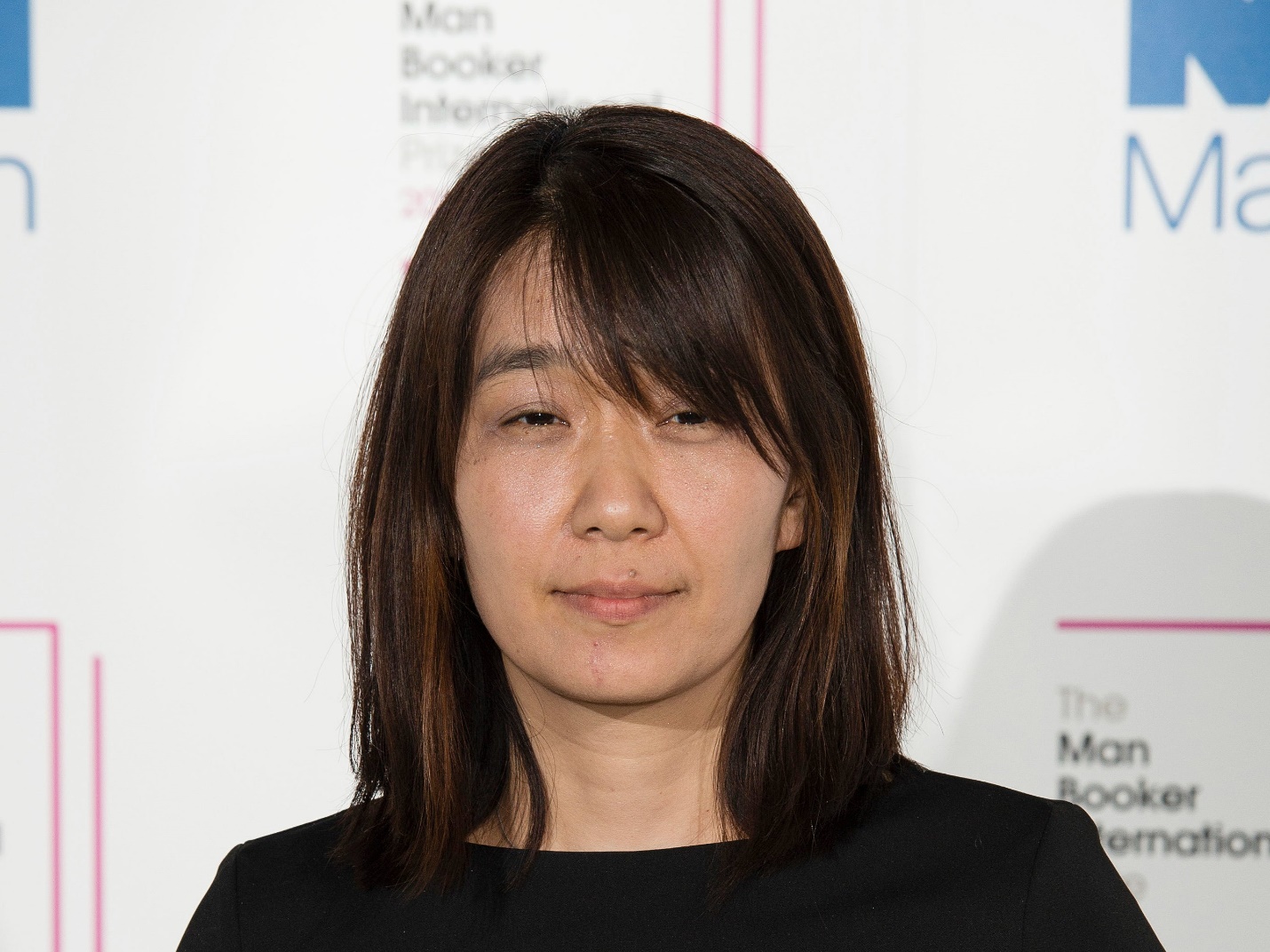
Han Kang, the celebrated South Korean novelist and former Man Booker International Prize winner, has been awarded the 2024 Nobel Prize in Literature. The 53-year-old is the first South Korean to receive the prestigious award, marking a historic moment for the country’s literary landscape.
The Nobel Committee praised Han “for her intense poetic prose that confronts historical traumas and exposes the fragility of human life.” Her works are known for delving into themes such as violence, grief, and patriarchy, pushing boundaries with their emotional depth and narrative intensity.
A Pioneering Literary Career
Han Kang’s rise to international fame came in 2016 when she won the Man Booker International Prize for her novel The Vegetarian. Originally published in Korean in 2007, the novel gained global recognition after being translated into English by Deborah Smith in 2015. The book tells the story of a woman who decides to stop eating meat, a choice that leads to disturbing social and familial consequences, offering a powerful commentary on conformity and violence.
Other critically acclaimed works by Han include The White Book, Human Acts, and Greek Lessons, all of which reflect her fascination with human suffering and resilience.
Breaking New Ground
This Nobel Prize win is significant for multiple reasons:
- Han Kang is the first South Korean to win the Nobel Prize in Literature.
- She is the first female laureate in literature since 2022, when Annie Ernaux of France was honored.
- The award highlights the 18th time a woman has won the prize since its inception in 1901.
Han has also become the first female Nobel laureate in 2024 across all categories, winning 11 million Swedish krona (£810,000) as part of the prize.
Han Kang’s writing is deeply rooted in music, art, and philosophy, reflecting her ability to transcend genres and mediums. The Nobel Committee noted her capacity to tackle complex historical traumas with prose that resonates on both personal and collective levels.
Born in Gwangju, South Korea—a city with its own troubled history—Han is the daughter of novelist Han Seung-won. She began her literary journey in 1993 with five published poems and debuted in fiction the following year with a short story. Over the years, her works have been translated into more than 30 languages, helping her reach a global audience.
Continuing Her Literary Journey
Beyond writing, Han Kang has taught creative writing at the Seoul Institute of the Arts and is currently working on her sixth novel. Her Nobel Prize win not only acknowledges her impressive body of work but also places a spotlight on South Korean literature, paving the way for more recognition of East Asian authors in the global literary canon.
With this remarkable achievement, Han Kang cements her legacy as a literary force, inspiring readers worldwide with her stories that confront life's deepest questions.