Snails Becoming Rarer in Japan, Facing Risk of Extinction

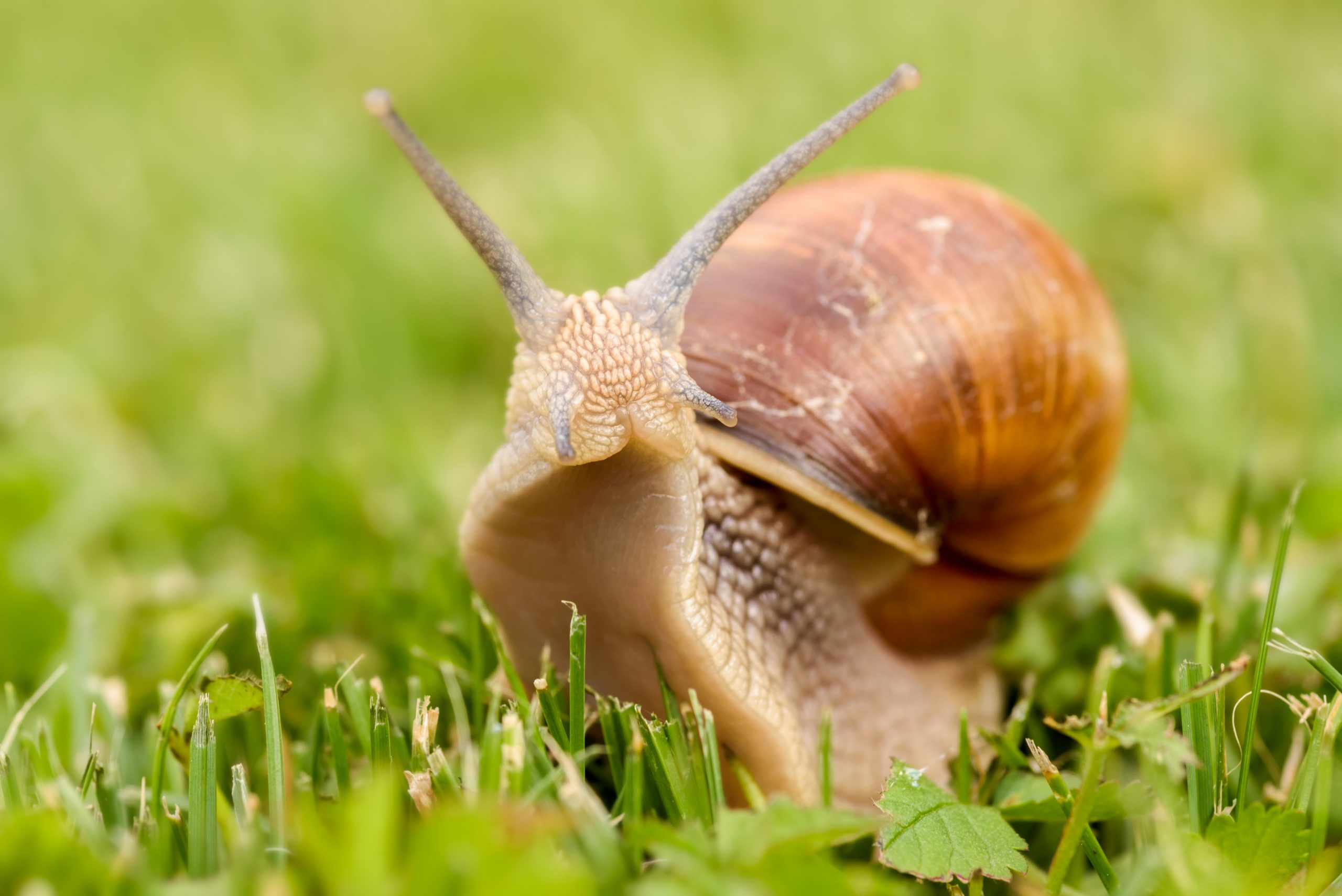
Sightings of snails during Japan's rainy season are becoming increasingly rare as urbanization and dry areas expand, putting half of the species in the Kinki region at risk of extinction. Experts warn that the efforts to create new green areas for snails may not be effective due to their limited mobility.
Urbanization and the spread of dry areas have significantly reduced snail populations, especially in regions close to human settlements.
Approximately 50% of snail species in the Kinki region are facing extinction, highlighting a critical area of concern.
Snails, being slow movers reliant on mucus for movement, struggle to migrate to newly created green spaces, making habitat restoration efforts challenging.
Japan is home to around 800 snail species, many of which are now at risk due to environmental changes.
Katsuki Nakai, a senior research scientist at the Lake Biwa Museum in Shiga Prefecture, emphasizes the impact of urbanization on snail habitats. "Even if trees are planted nearby, (snails) cannot reach them by themselves to make them their homes," Nakai explained. The slow-moving nature of snails, which use mucus for locomotion, further complicates their ability to adapt to newly created habitats.
Conservation Efforts and Challenges
While efforts to create new green areas are commendable, they fall short in addressing the fundamental mobility issue faced by snails. Unlike more mobile species, snails cannot easily relocate to new habitats, rendering these efforts less effective.
To effectively conserve snail populations, more targeted strategies are needed, such as:
- Creating connected green corridors to facilitate snail movement.
- Protecting existing natural habitats from urban development.
- Researching and implementing innovative conservation techniques that cater to the unique needs of snails.
The decline of snail populations in Japan serves as a stark reminder of the broader impact of urbanization on biodiversity. Addressing this issue requires a nuanced approach that goes beyond creating new green spaces to ensure the survival of these slow-moving, yet ecologically important, creatures.