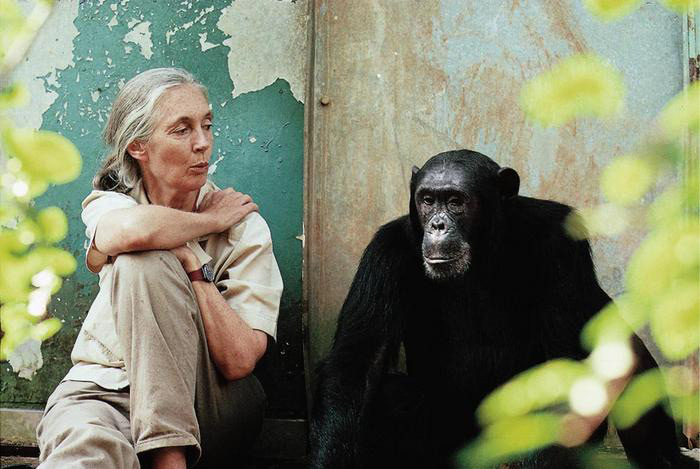
Six Essentials of Documentary Photography
-
 Loading...
 - Amara Zara
- 04 Mar 2025
- 38 Views
- 0 Like
- 0 Comment
Documentary photography is a powerful medium that captures real-life events, people, and stories, often with the intent of conveying a message or raising awareness about social issues. To excel in this genre, photographers must adhere to certain essentials that enhance their storytelling capabilities. Here are six key elements to consider when engaging in documentary photography.
1. Storytelling
At the heart of documentary photography lies storytelling. Each photograph should convey a narrative, whether it’s a single image or part of a larger series. Photographers should focus on capturing moments that evoke emotion and provoke thought, allowing viewers to connect with the subject matter on a deeper level. Understanding the story you want to tell will guide your approach and help you select the most impactful images.
2. Research and Preparation
Before embarking on a documentary project, thorough research is essential. Understanding the context, history, and cultural significance of the subject matter will inform your approach and help you capture more meaningful images. Preparation also involves planning your shoots, knowing the locations, and being aware of any potential challenges you may face. This groundwork will enable you to be more effective and responsive during the actual shooting process.
3. Authenticity and Honesty
Documentary photography thrives on authenticity. It’s crucial to represent your subjects and their stories truthfully, without manipulation or staging. This honesty builds trust with your audience and lends credibility to your work. Strive to capture genuine moments that reflect the reality of the situation, allowing viewers to engage with the subject matter in an honest and impactful way.
4. Composition and Framing
While documentary photography focuses on real-life moments, composition and framing remain vital elements. Thoughtful composition can enhance the visual impact of your images and guide the viewer’s eye to the most important aspects of the scene. Consider the use of leading lines, symmetry, and the rule of thirds to create compelling images that draw the viewer in and emphasize the story you’re telling.
5. Emotional Connection
Creating an emotional connection between the viewer and the subject is a key goal of documentary photography. Capturing expressions, gestures, and interactions can evoke empathy and understanding. Look for moments that reveal the humanity of your subjects, whether it’s joy, sorrow, struggle, or resilience. These emotional elements will resonate with viewers and make your work more impactful.
6. Ethical Considerations
Documentary photographers must navigate ethical considerations carefully. Respect for your subjects is paramount, and obtaining consent is essential, especially when dealing with vulnerable populations. Be mindful of how your work may affect the individuals and communities you are documenting. Strive to represent their stories with dignity and respect, ensuring that your photography contributes positively to the narrative.
Documentary photography is a powerful tool for storytelling and social change. By focusing on these six essentials—storytelling, research, authenticity, composition, emotional connection, and ethical considerations—photographers can create compelling images that resonate with audiences and shed light on important issues. Embrace the responsibility that comes with this art form, and let your lens capture the world’s stories with integrity and passion.