Home Upload Photo Upload Videos Write a Blog Analytics Messaging Streaming Create Adverts Creators Program
Bebuzee Afghanistan Bebuzee Albania Bebuzee Algeria Bebuzee Andorra Bebuzee Angola Bebuzee Antigua and Barbuda Bebuzee Argentina Bebuzee Armenia Bebuzee Australia Bebuzee Austria Bebuzee Azerbaijan Bebuzee Bahamas Bebuzee Bahrain Bebuzee Bangladesh Bebuzee Barbados Bebuzee Belarus Bebuzee Belgium Bebuzee Belize Bebuzee Benin Bebuzee Bhutan Bebuzee Bolivia Bebuzee Bosnia and Herzegovina Bebuzee Botswana Bebuzee Brazil Bebuzee Brunei Bebuzee Bulgaria Bebuzee Burkina Faso Bebuzee Burundi Bebuzee Cabo Verde Bebuzee Cambodia Bebuzee Cameroon Bebuzee Canada Bebuzee Central African Republic Bebuzee Chad Bebuzee Chile Bebuzee China Bebuzee Colombia Bebuzee Comoros Bebuzee Costa Rica Bebuzee Côte d'Ivoire Bebuzee Croatia Bebuzee Cuba Bebuzee Cyprus Bebuzee Czech Republic Bebuzee Democratic Republic of the Congo Bebuzee Denmark Bebuzee Djibouti Bebuzee Dominica Bebuzee Dominican Republic Bebuzee Ecuador Bebuzee Egypt Bebuzee El Salvador Bebuzee Equatorial Guinea Bebuzee Eritrea Bebuzee Estonia Bebuzee Eswatini Bebuzee Ethiopia Bebuzee Fiji Bebuzee Finland Bebuzee France Bebuzee Gabon Bebuzee Gambia Bebuzee Georgia Bebuzee Germany Bebuzee Ghana Bebuzee Greece Bebuzee Grenada Bebuzee Guatemala Bebuzee Guinea Bebuzee Guinea-Bissau Bebuzee Guyana Bebuzee Haiti Bebuzee Honduras Bebuzee Hong Kong Bebuzee Hungary Bebuzee Iceland Bebuzee India Bebuzee Indonesia Bebuzee Iran Bebuzee Iraq Bebuzee Ireland Bebuzee Israel Bebuzee Italy Bebuzee Jamaica Bebuzee Japan Bebuzee Jordan Bebuzee Kazakhstan Bebuzee Kenya Bebuzee Kiribati Bebuzee Kuwait Bebuzee Kyrgyzstan Bebuzee Laos Bebuzee Latvia Bebuzee Lebanon Bebuzee Lesotho Bebuzee Liberia Bebuzee Libya Bebuzee Liechtenstein Bebuzee Lithuania Bebuzee Luxembourg Bebuzee Madagascar Bebuzee Malawi Bebuzee Malaysia Bebuzee Maldives Bebuzee Mali Bebuzee Malta Bebuzee Marshall Islands Bebuzee Mauritania Bebuzee Mauritius Bebuzee Mexico Bebuzee Micronesia Bebuzee Moldova Bebuzee Monaco Bebuzee Mongolia Bebuzee Montenegro Bebuzee Morocco Bebuzee Mozambique Bebuzee Myanmar Bebuzee Namibia Bebuzee Nauru Bebuzee Nepal Bebuzee Netherlands Bebuzee New Zealand Bebuzee Nicaragua Bebuzee Niger Bebuzee Nigeria Bebuzee North Korea Bebuzee North Macedonia Bebuzee Norway Bebuzee Oman Bebuzee Pakistan Bebuzee Palau Bebuzee Panama Bebuzee Papua New Guinea Bebuzee Paraguay Bebuzee Peru Bebuzee Philippines Bebuzee Poland Bebuzee Portugal Bebuzee Qatar Bebuzee Republic of the Congo Bebuzee Romania Bebuzee Russia Bebuzee Rwanda Bebuzee Saint Kitts and Nevis Bebuzee Saint Lucia Bebuzee Saint Vincent and the Grenadines Bebuzee Samoa Bebuzee San Marino Bebuzee São Tomé and Príncipe Bebuzee Saudi Arabia Bebuzee Senegal Bebuzee Serbia Bebuzee Seychelles Bebuzee Sierra Leone Bebuzee Singapore Bebuzee Slovakia Bebuzee Slovenia Bebuzee Solomon Islands Bebuzee Somalia Bebuzee South Africa Bebuzee South Korea Bebuzee South Sudan Bebuzee Spain Bebuzee Sri Lanka Bebuzee Sudan Bebuzee Suriname Bebuzee Sweden Bebuzee Switzerland Bebuzee Syria Bebuzee Taiwan Bebuzee Tajikistan Bebuzee Tanzania Bebuzee Thailand Bebuzee Timor-Leste Bebuzee Togo Bebuzee Tonga Bebuzee Trinidad and Tobago Bebuzee Tunisia Bebuzee Turkey Bebuzee Turkmenistan Bebuzee Tuvalu Bebuzee Uganda Bebuzee Ukraine Bebuzee United Arab Emirates Bebuzee United Kingdom Bebuzee Uruguay Bebuzee Uzbekistan Bebuzee Vanuatu Bebuzee Venezuela Bebuzee Vietnam Bebuzee World Wide Bebuzee Yemen Bebuzee Zambia Bebuzee Zimbabwe
Blog Image

Shoals of sticklebacks differ in their collective personalities

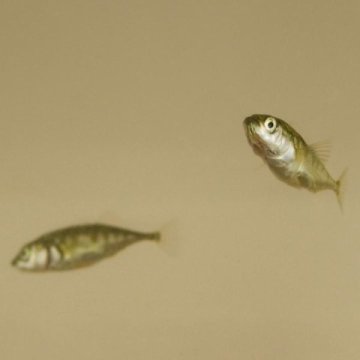
This is a pair of stickleback fish. Credit: Jolle Jolles

Research from the University of Cambridge has revealed that, among schooling fish, groups can have different collective personalities, with some shoals sticking closer together, being better coordinated, and showing clearer leadership than others.

For centuries, scientists and non-scientists alike have been fascinated by the beautiful and often complex collective behaviour of animal groups, such as the highly synchronised movements of flocks of birds and schools of fish. Often, those spectacular collective patterns emerge from individual group members using simple rules in their interactions, without requiring global knowledge of their group.

In recent years it has also become apparent that, across the animal kingdom, individual animals often differ considerably and consistently in their behaviour, with some individuals being bolder, more active, or more social than others.

New research conducted at the University of Cambridge's Department of Zoology suggests that observations of different groups of schooling fish could provide important insights into how the make-up of groups can drive collective behaviour and performance.

In the study, published today in the journal Proceedings of the Royal Society B, the researchers created random groups of wild-caught stickleback fish and subjected them repeatedly to a range of environments that included open spaces, plant cover, and patches of food.

Dr Jolle Jolles, lead author of the study, now based at the Max Planck Institute for Ornithology, said: "By filming the schooling fish from above and tracking the groups' movements in detail, we found that the randomly composed shoals showed profound differences in their collective behaviour that persisted across different ecological contexts. Some groups were consistently faster, better coordinated, more cohesive, and showed clearer leadership structure than others.

"That such differences existed among the groups is remarkable as individuals were randomly grouped with others that were of similar age and size and with which they had very limited previous social contact."

This research shows for the first time that, even among animals where group membership changes frequently over time and individuals are not very strongly related to each other, such as schooling fish or flocking birds, stable differences can emerge in the collective performance of animal groups.

Such behavioural variability among groups may directly affect the survival and reproductive success of the individuals within them and influence how they associate with one another. Ultimately these findings may therefore help understand the selective pressures that have shaped social behaviour.

Dr Andrea Manica, co-author of the paper from the University of Cambridge, added: "Our research reveals that the collective performance of groups is strongly driven by their composition, suggesting that consistent behavioural differences among groups could be a widespread phenomenon in animal societies."

These research findings provide important new insights that may help explain and predict the performance of social groups, which could be beneficial in building human teams or constructing automated robot swarms.

The research was supported by the Biotechnology and Biological Sciences Research Council.

Previous Post

Ants: Master manipulators for biodiversity, or sweet treats

Next Post

Alien honeybees could cause plant extinction

Comments